

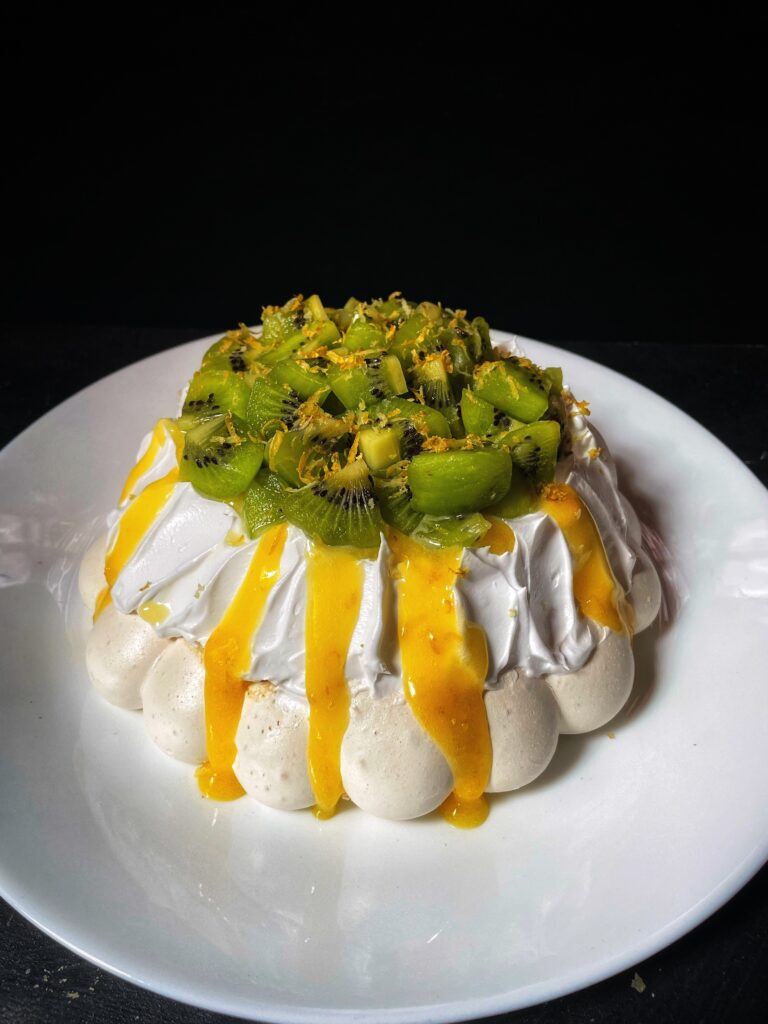
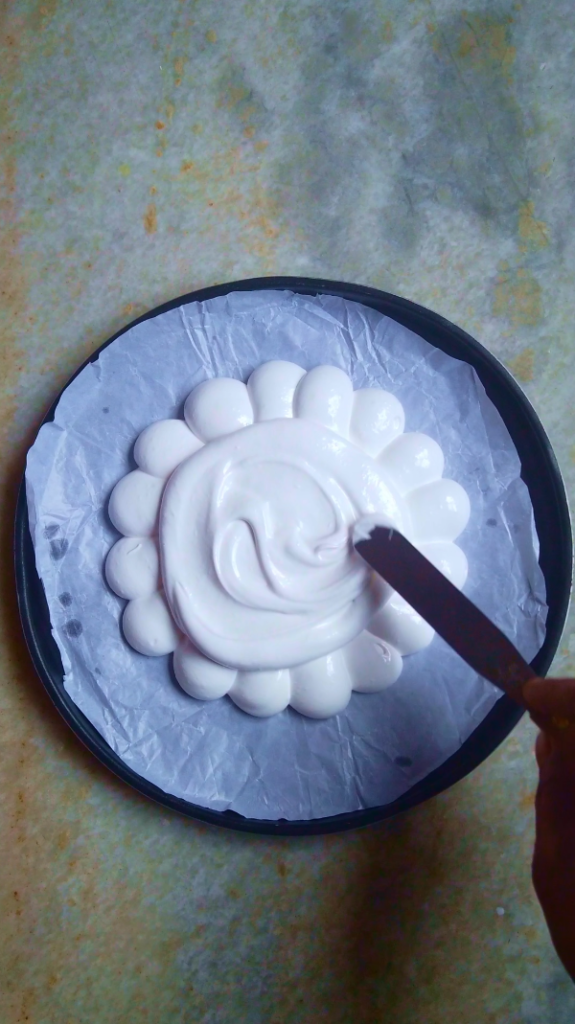
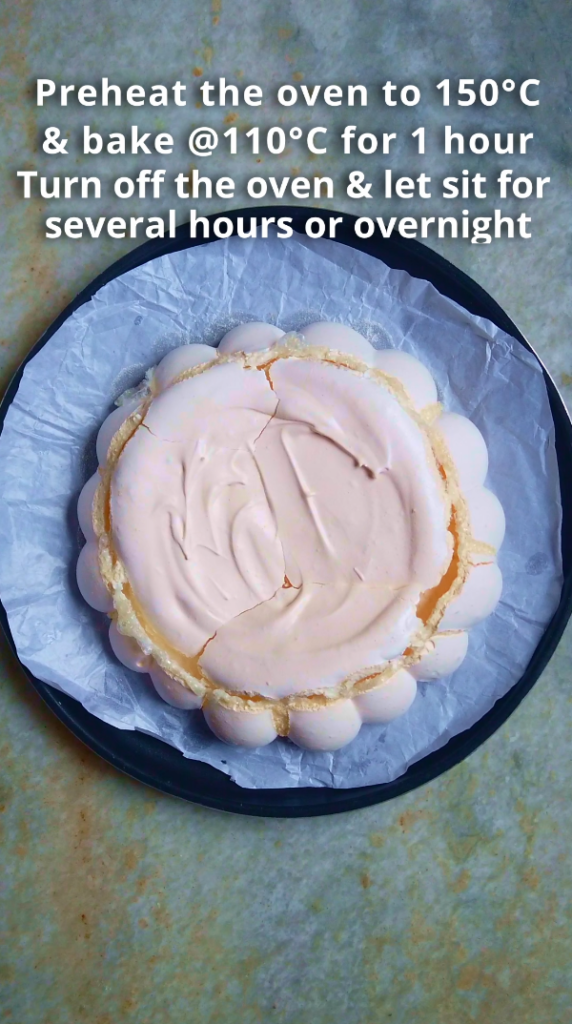
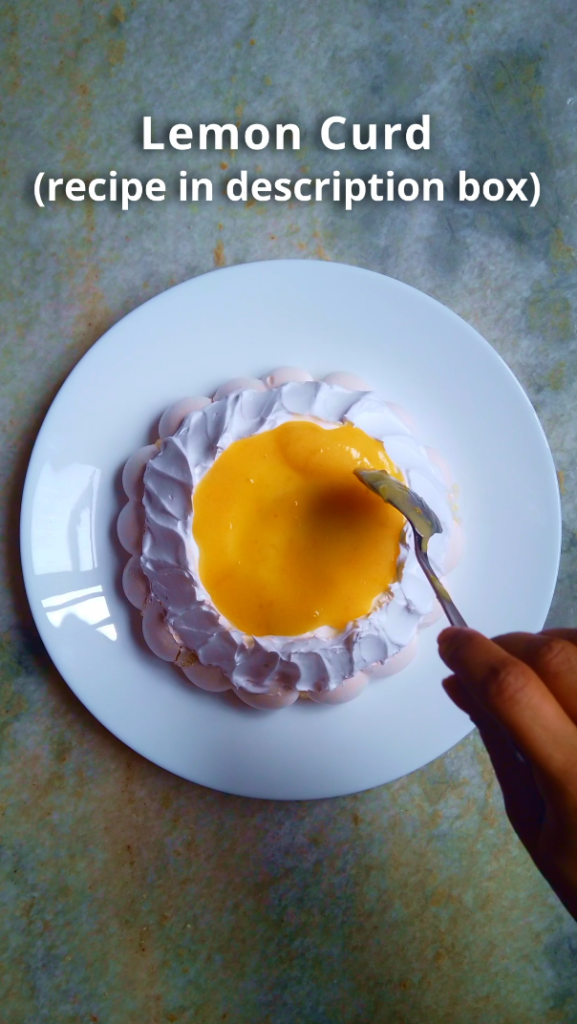

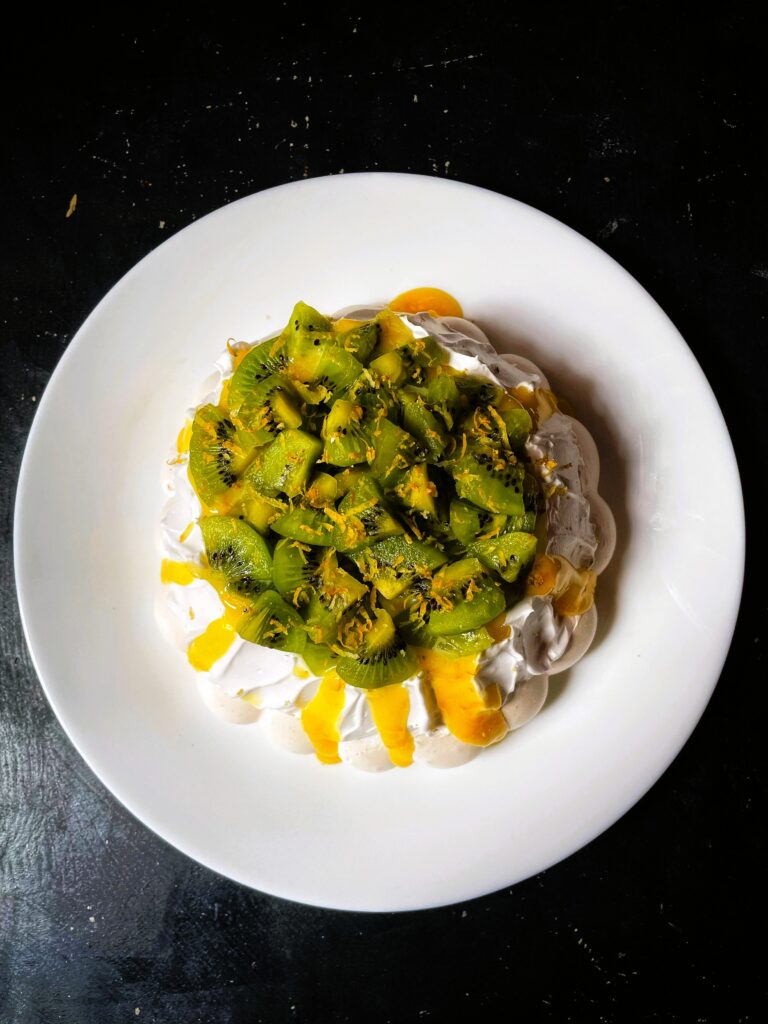
With Christmas approaching, we’re preparing a festive Kiwi Pavlova paired with bright, tangy Lemon Curd to celebrate the season. Pavlova is a cloud-like dessert with a delicate balance of textures- snowy white on the outside with a lightly crisp shell that gives way to a soft, marshmallow-like centre. Finished with billow of cream and fresh fruit, it’s a much loved classic in New Zealand kitchens. This version adds a generous layer of traditional lemon curd, bringing a bright, fragrant contrast that lifts every bite. Topped with fresh kiwi, the combination of sweetness, gentle chew and citrus tang makes this pavlova truly unforgettable. Its delicate texture and airy sweetness have made it a much-loved celebratory dish, especially during Christmas and summer gatherings.
The story of pavlova’s origin is famously contested. Australia and New Zealand both regard it as their own, and food historian have long debated where it first appeared. One popular account links the dessert to the Russian ballerina Anna Pavlova. In the 1930s, an Australian chef working at a Perth hotel is said to have created the dish in her honour, with colleagues remarking that it was as light and graceful as the dancer herself.
However research suggests the dessert’s roots stretch further back. Historians have pointed out that elaborate meringue-based desserts topped with cream and fruit were already common in Europe centuries earlier. These dishes travelled with migrants during the 18th and 19th centuries as people moved from Europe to places such as Australia and New Zealand. Over time, recipes were adapted to local tastes and ingredients, gradually evolving into what we now recognize as pavlova.
Scholars examining old cookbooks have identified several desserts that closely resemble pavlova, including German and Central European meringue “foam cakes” layered with cream and fruit. These recipes appeared well before the pavlova name widely used and likely influenced cooks in both Australia and New Zealand.
Adding another layer to the debate, historical record show that a recipe bearing the name “pavlova” was published in New Zealand in the late 1920s. Earlier than many Australian references. This has strengthened New Zealand’s claim, though it has not settled the argument entirely.
Today, pavlova is enjoy worldwide and has become a symbol of festive cooking in both countries. Regardless of its exact birthplace, it remains a perfect showcase for fresh, seasonal fruit and a timeless combination of textures and flavours.
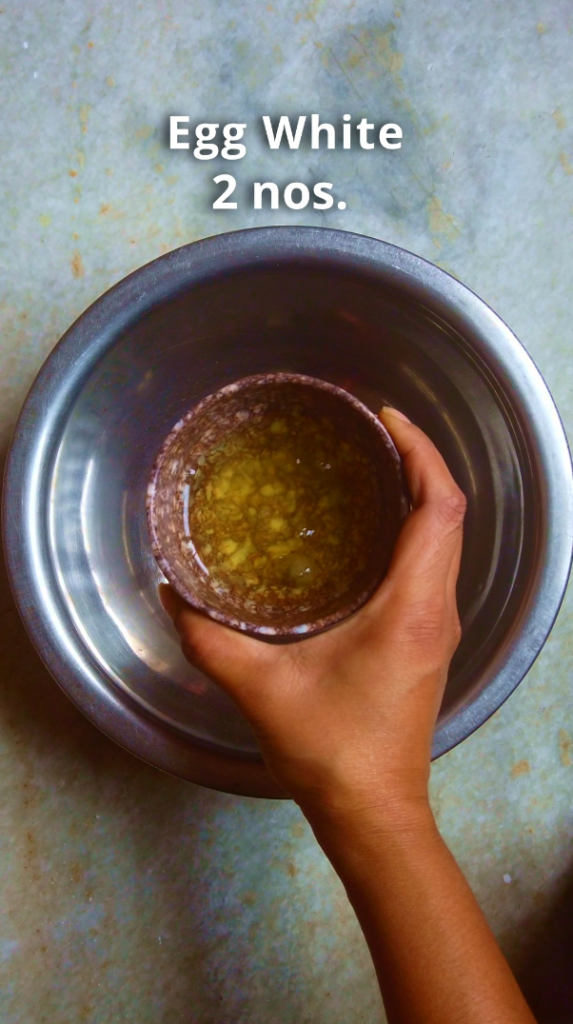
2 nos. Egg White
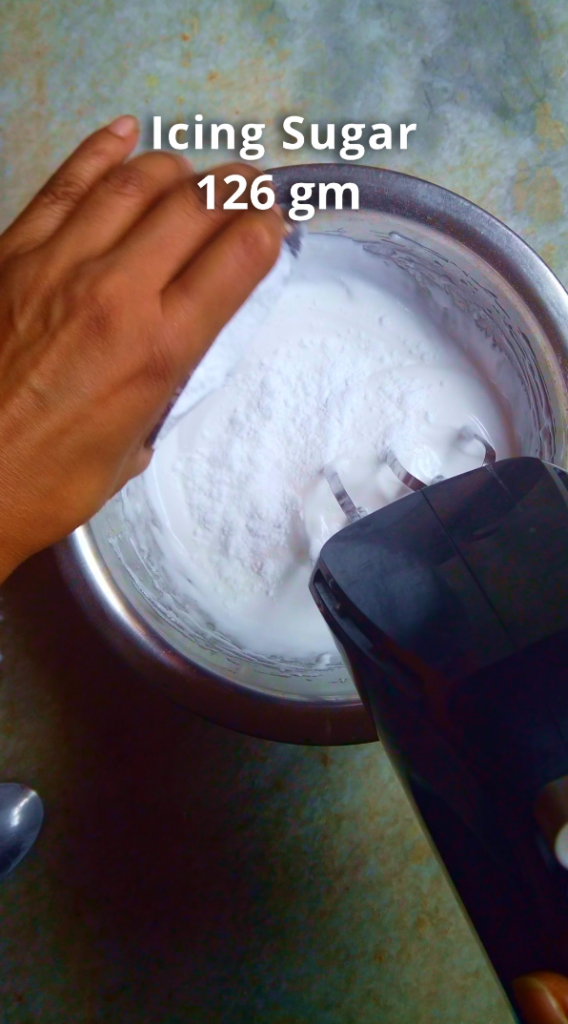
126 gm Icing Sugar
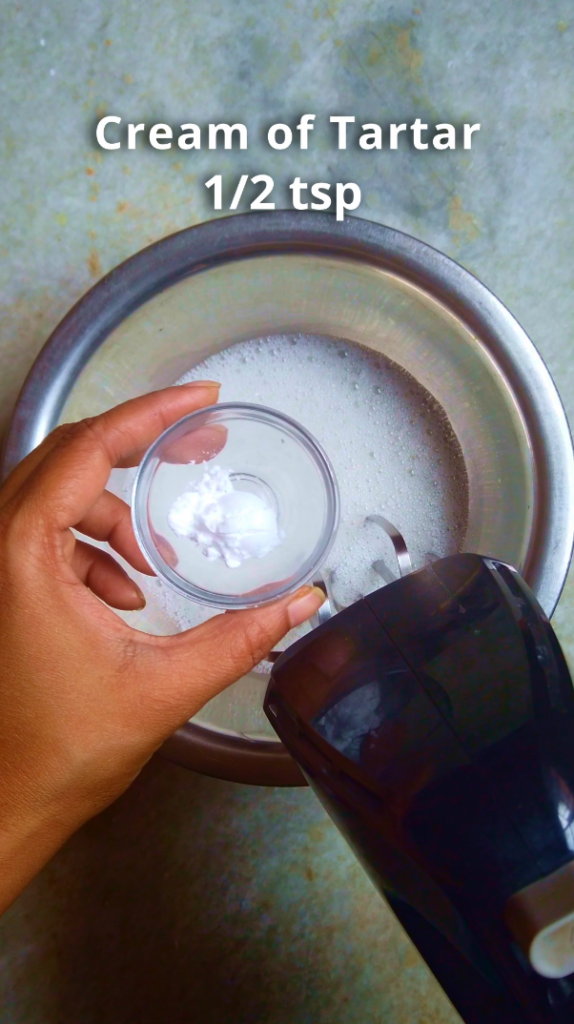
1/2 tsp Cream of Tartar
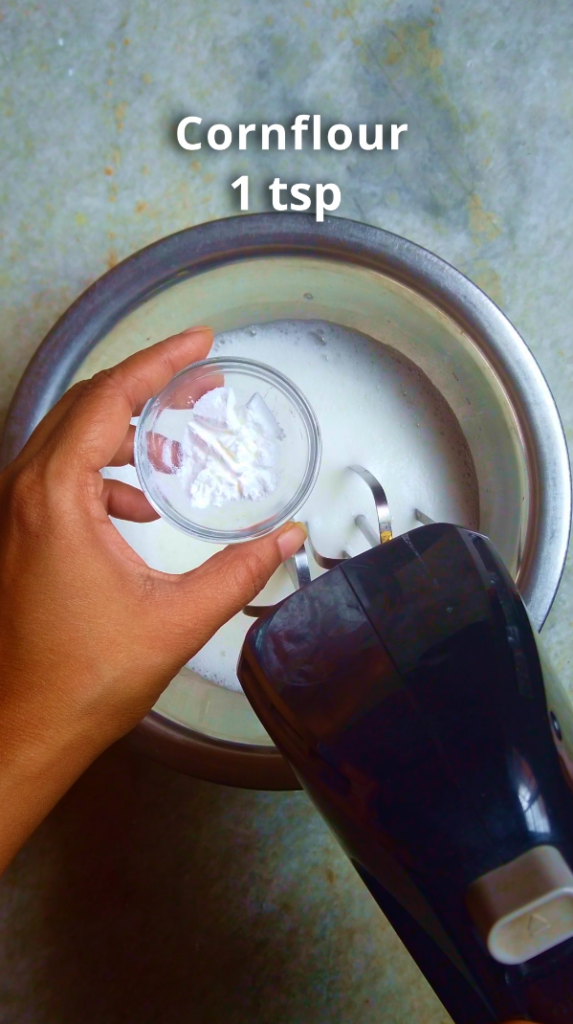
1 tsp Cornflour
1/2 cup Heavy Cream
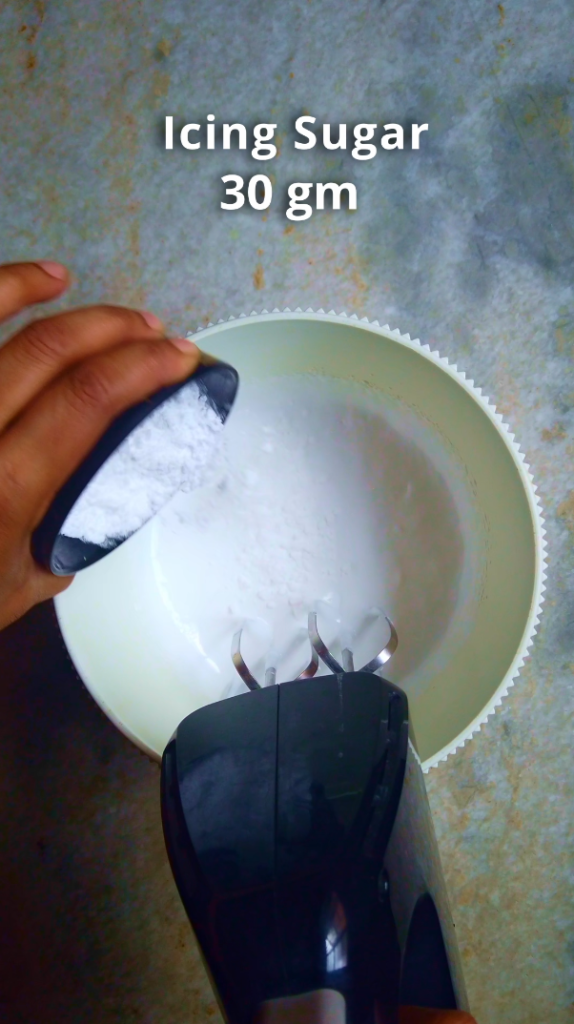
30 gm Icing Sugar
2-3 nos. Kiwi, sliced
Lemon Zest
A touch of corn starch strengthens the meringue by managing excess moisture.
Clean your bowl and whisk attachment before beating the egg whites to ensure that there is no leftover marks or greasy spot that can affect your meringue mixture.
For the best results, choose room-temperature old eggs and save the leftover yolks to make custard or ice cream.
Be careful when separating the eggs, don’t let any yolk get into the egg whites.
Using icing sugar in meringue is really helpful as it mixes and dissolve a lot quicker and easier than its grainy counterpart-caster sugar and also gives a very “white” result. Icing sugar doesn’t make meringue better or worse it just make your life little bit easier. But if you already have caster sugar feel free to use that.
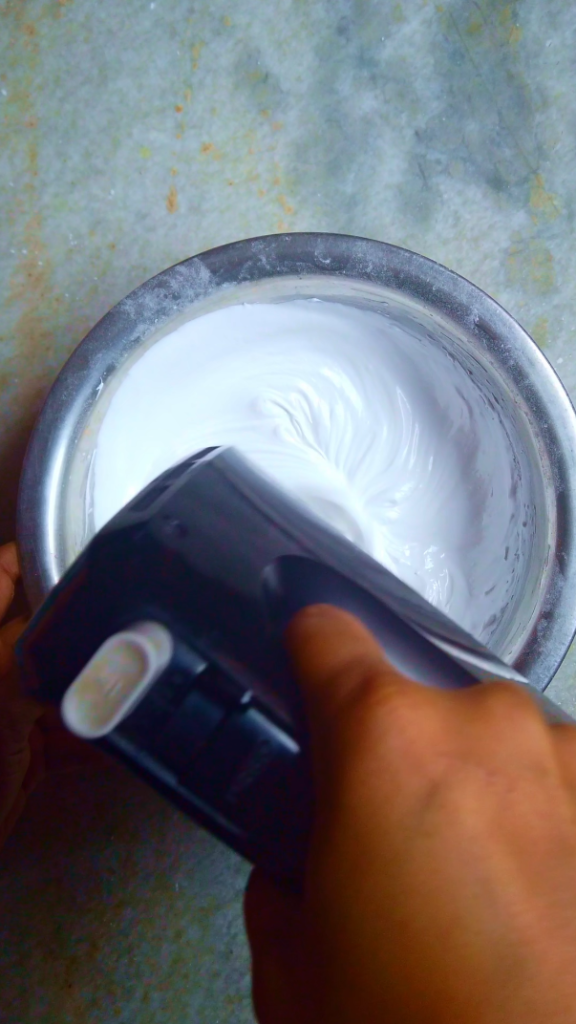
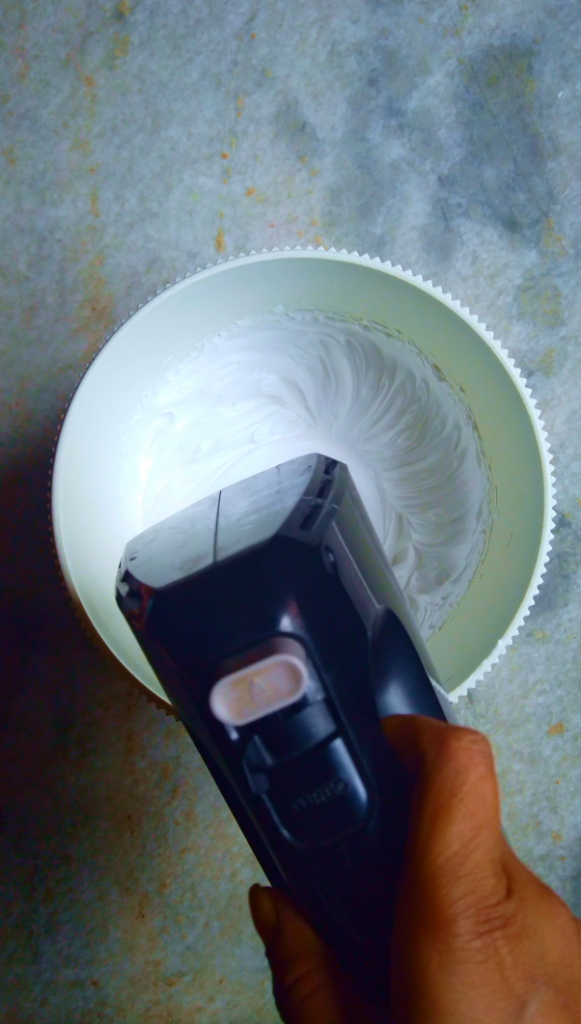
Gradual sugar incorporation creates a smooth, stable foam without graininess.
Once you have made the meringue mixture, don’t just let it sit there. Get it on the tray and into the oven as soon as you can.
Low, steady heat and slow oven cooling allow the meringue to set gently, reducing surface cracks.
DEBJANI MONDAL
Welcome to Kitchenstagram, the home of delicious recipes, culinary inspiration and cooking adventures. I’m Debjani and I’m thrilled to be your guide through the wonderful world of food. I’m a self-taught professional baker, home chef, recipe developer, author of Kitchenstagram and an aspiring YouTuber.
My passion for food and cooking began at a very young age, when I would watch my mom and dad cook for me and my brother. My dad, in particular is a great cook whose culinary skills made a lasting impression on me. My dad would cook up a storm on special occasions by cooking variety of dishes, from delicious biriyani to samosa, fish fry, rasgullas and kachoris (sweet & spicy deep fried pastry with filling of lentils, meat or fish…>>>>>
FOLLOW ME