


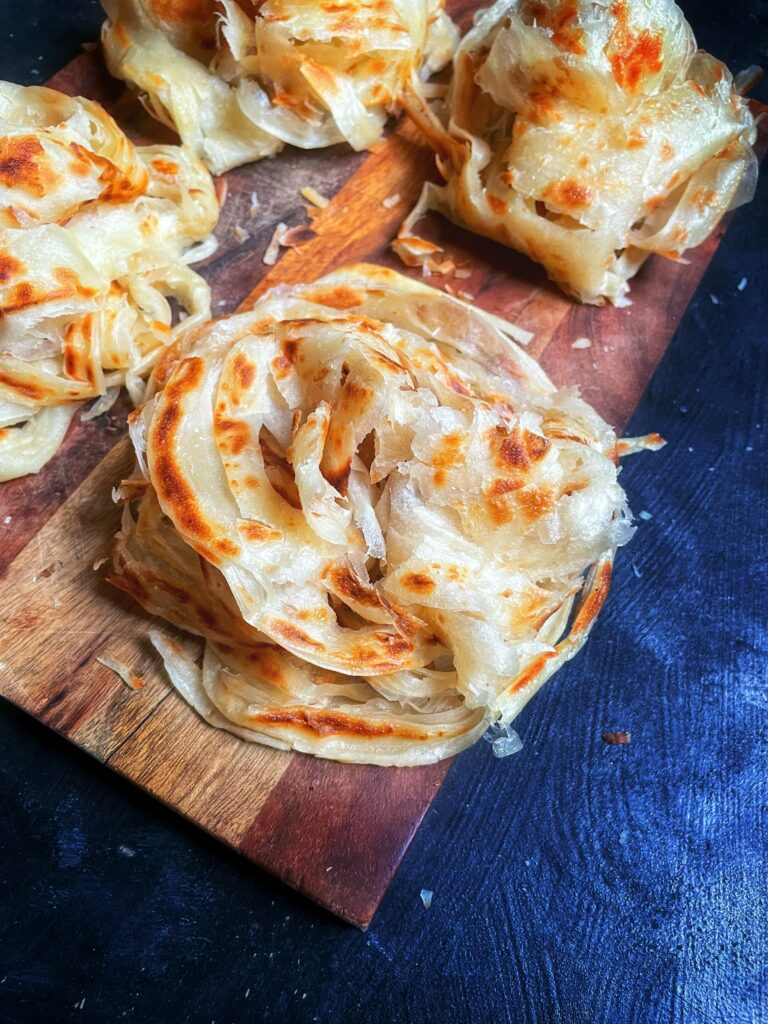
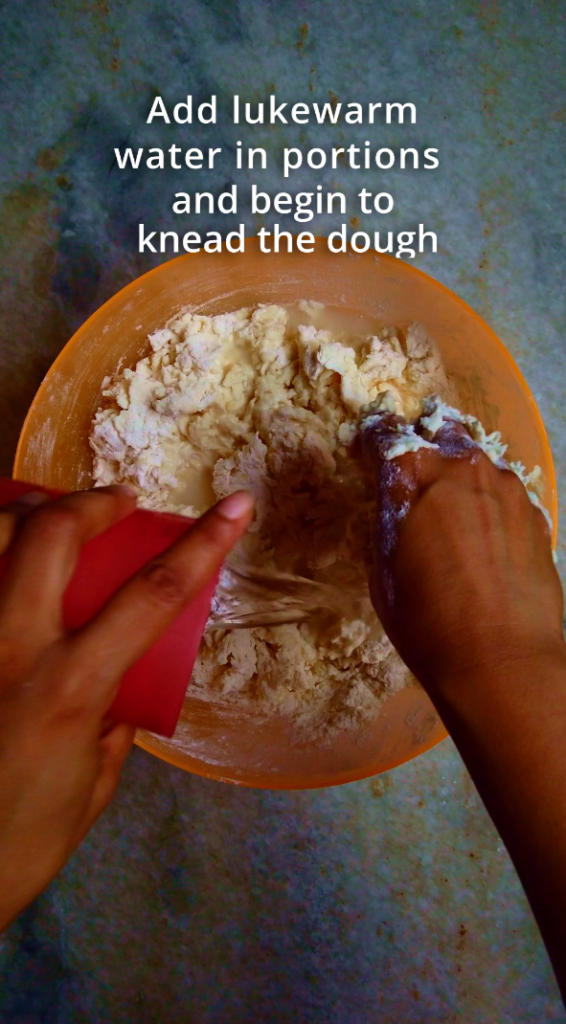
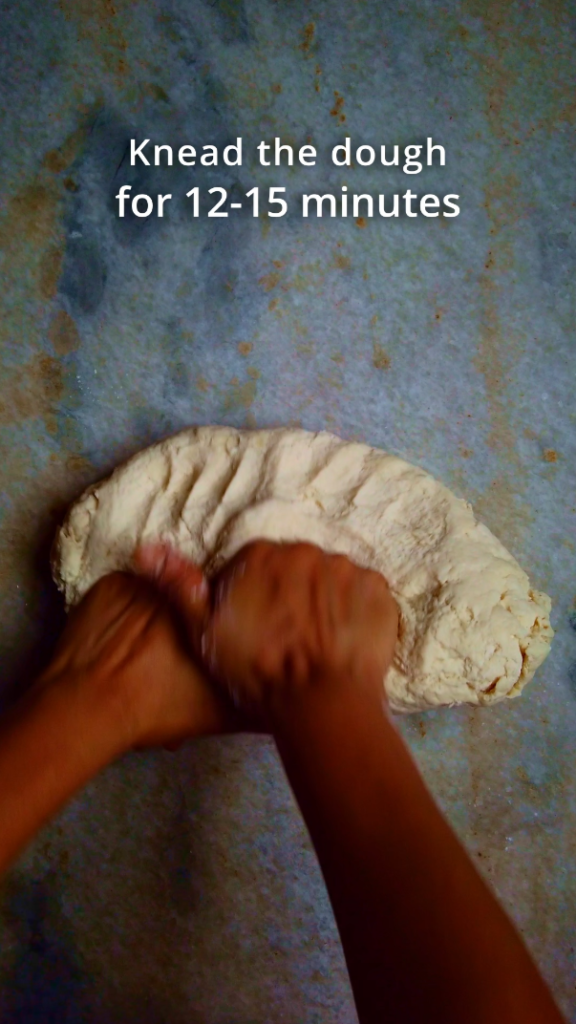
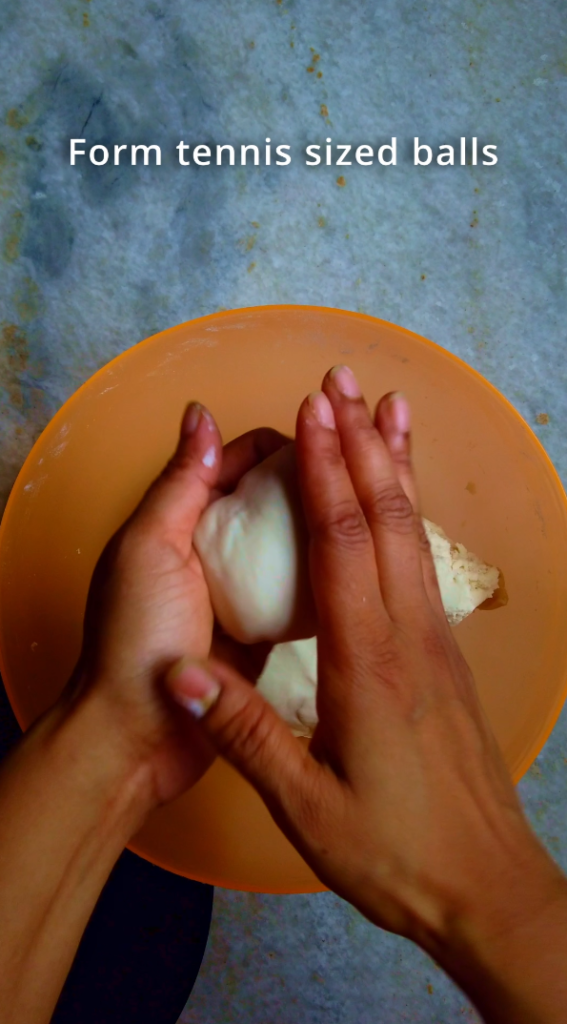
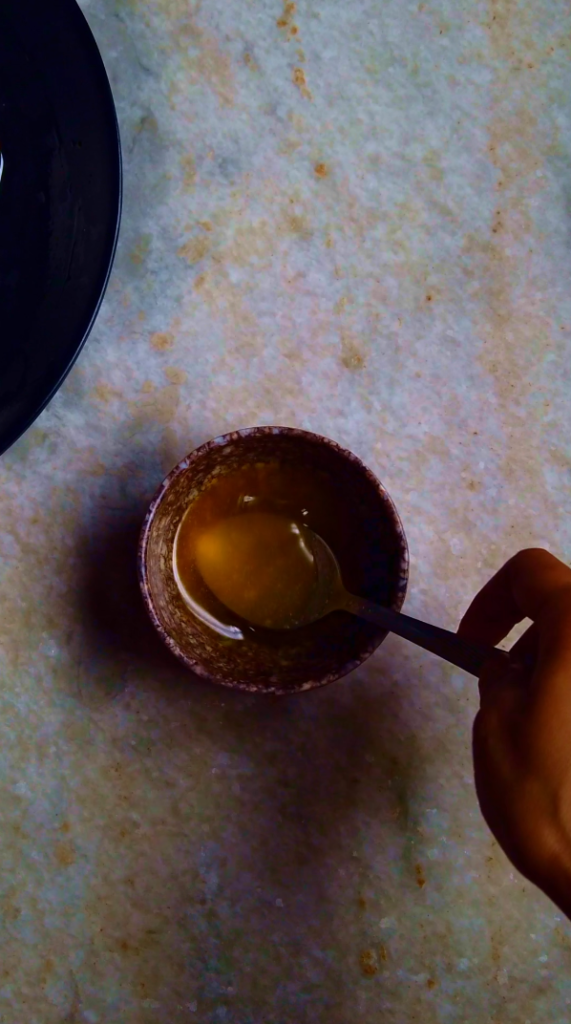
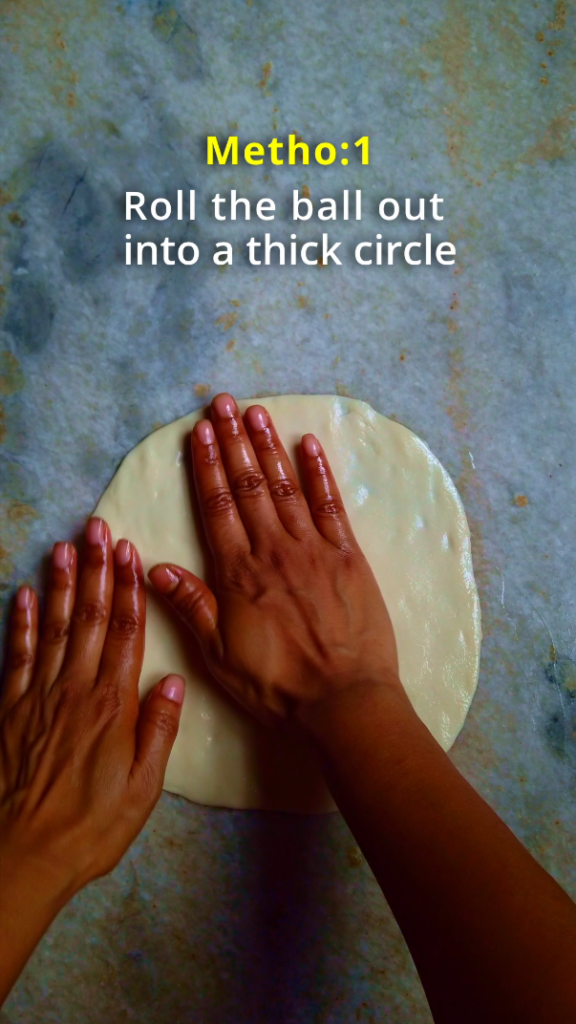
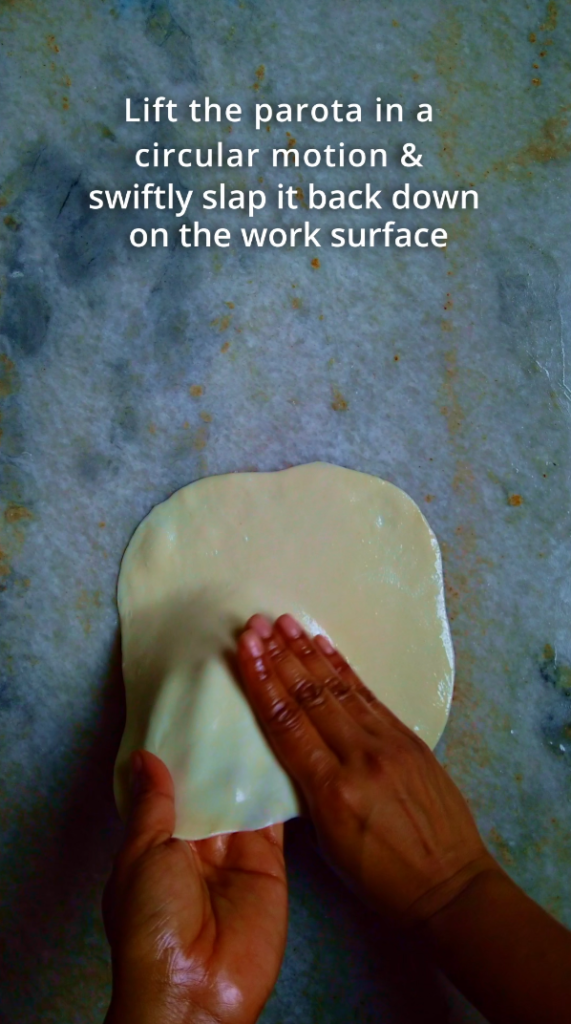
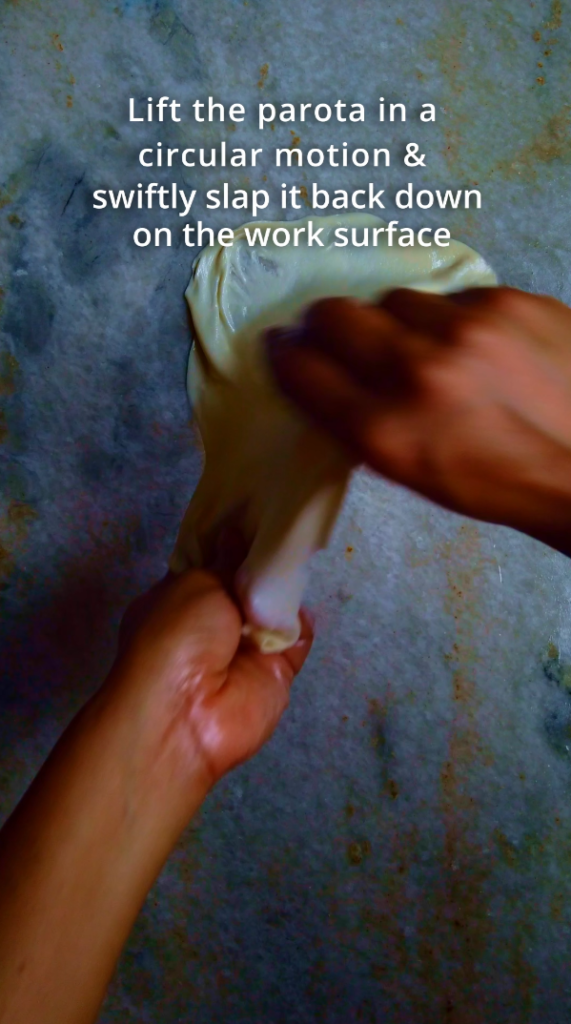
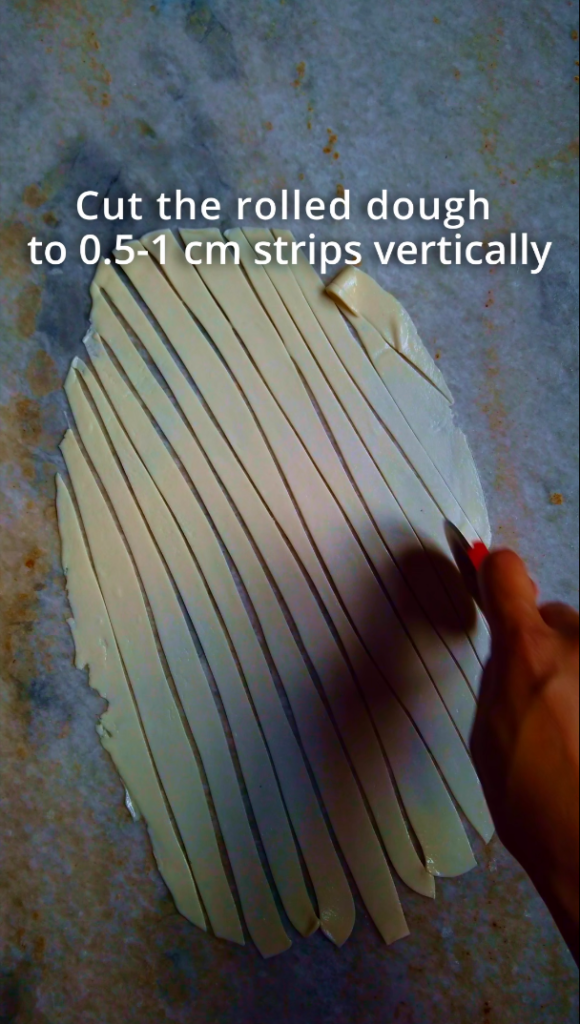
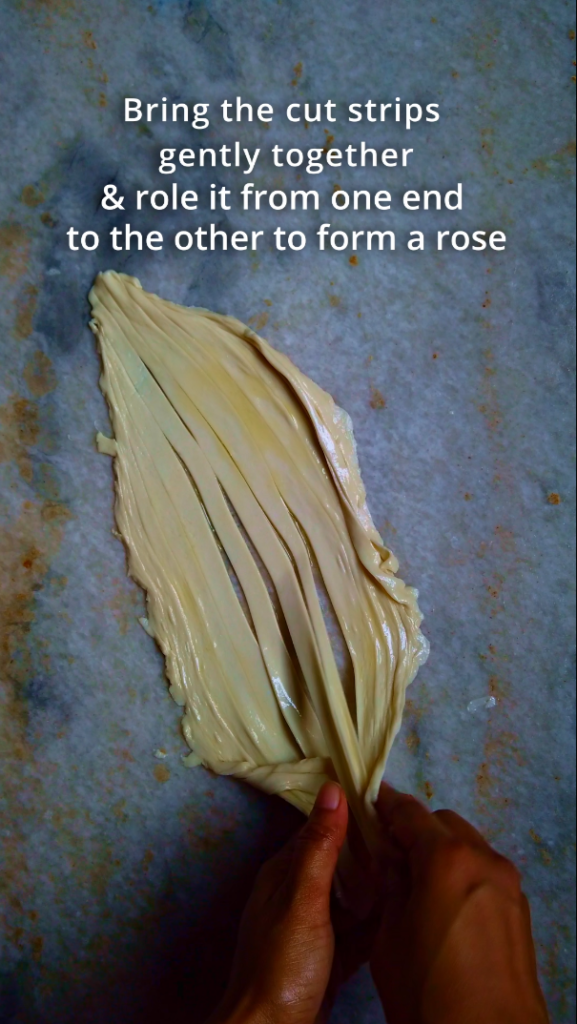
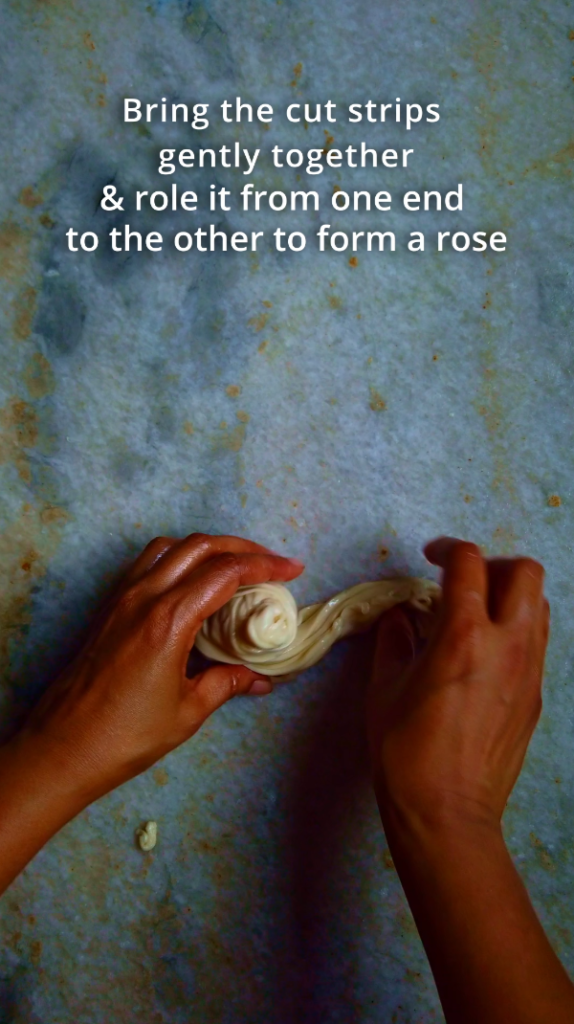
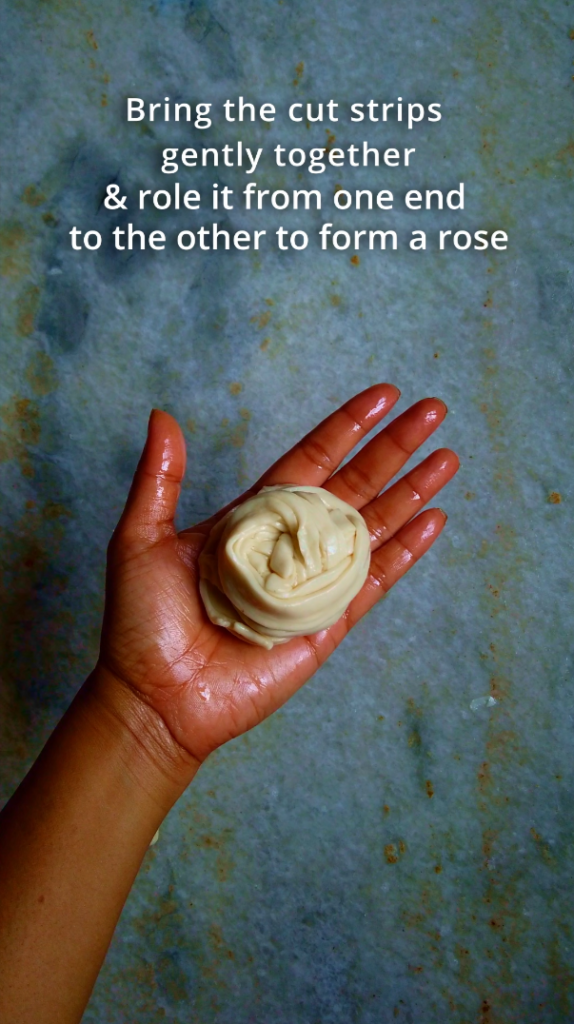
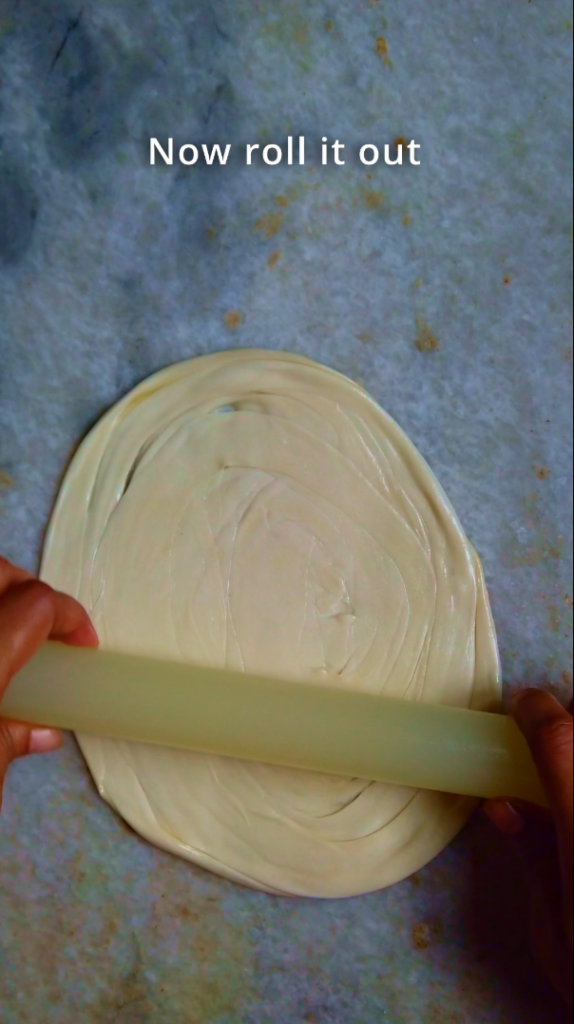
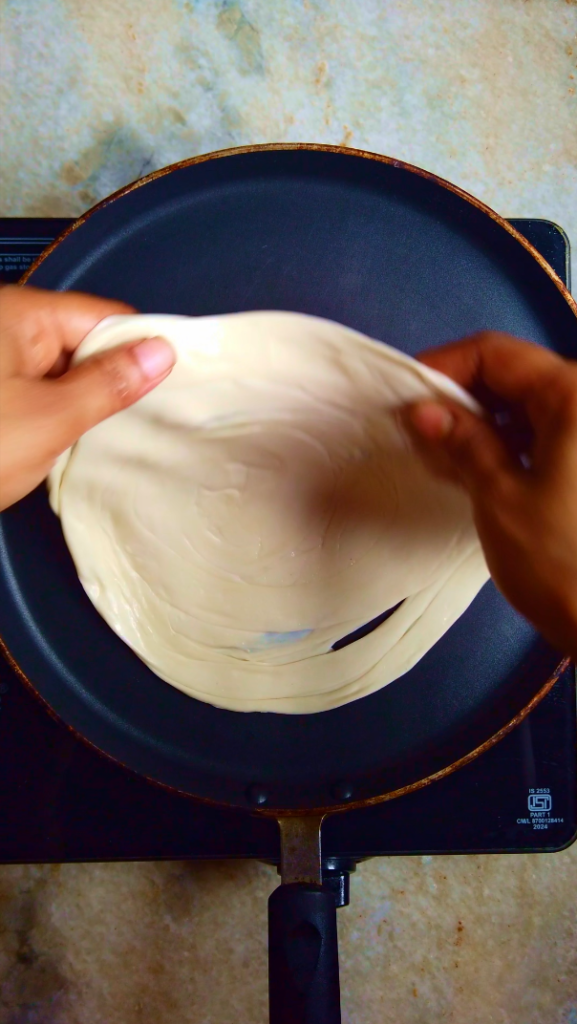
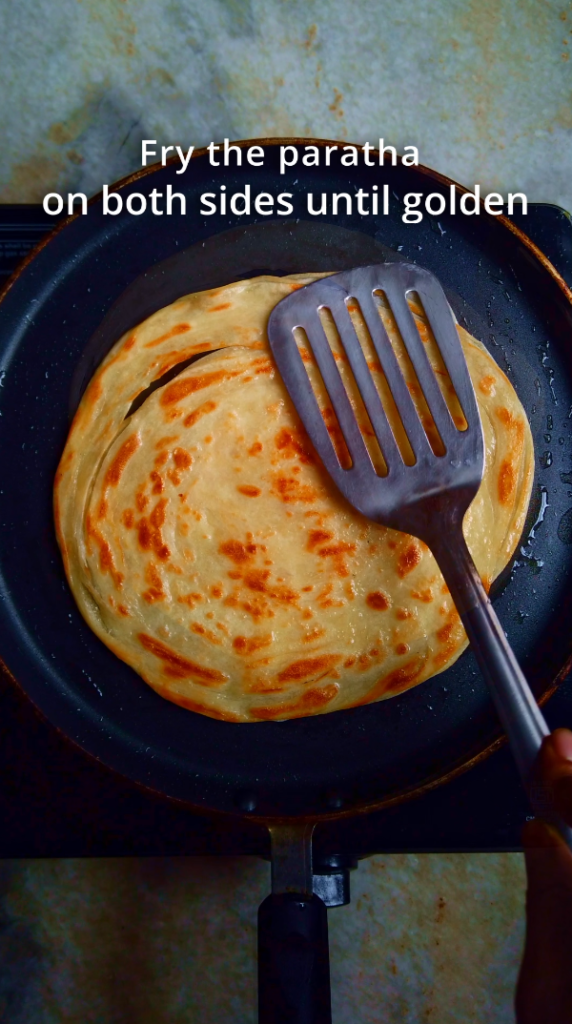
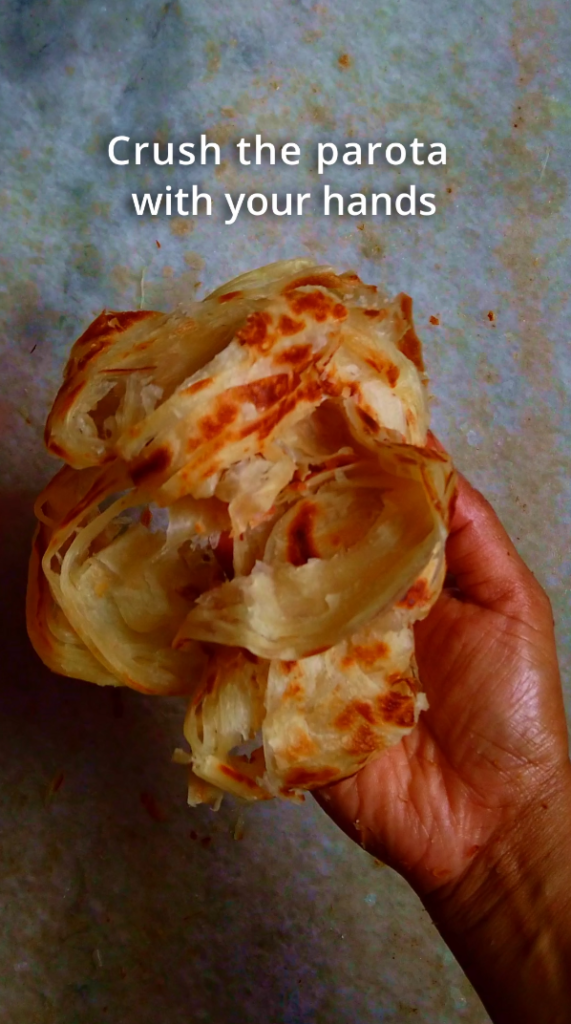
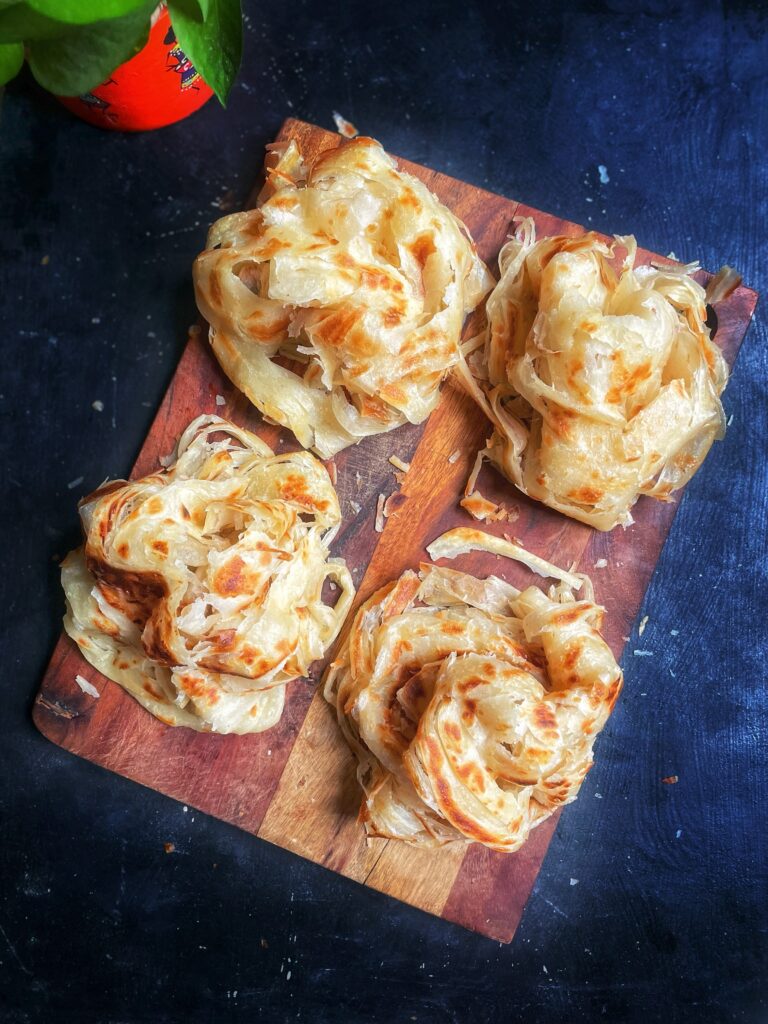
Kerala Parota, also known as Malabar Paratha or Porota, is a flaky, layered flatbread that is a signature dish of South Indian cuisine, especially in Kerala. It is also popular in Sri Lanka, Singapore and Malaysia, where it is commonly served a variety of curries and gravies. With its crisp outer layers and soft, chewy interior, it is traditionally served with Veg Salna or Chicken Salna, making it a favourite combination is homes and restaurants alike.
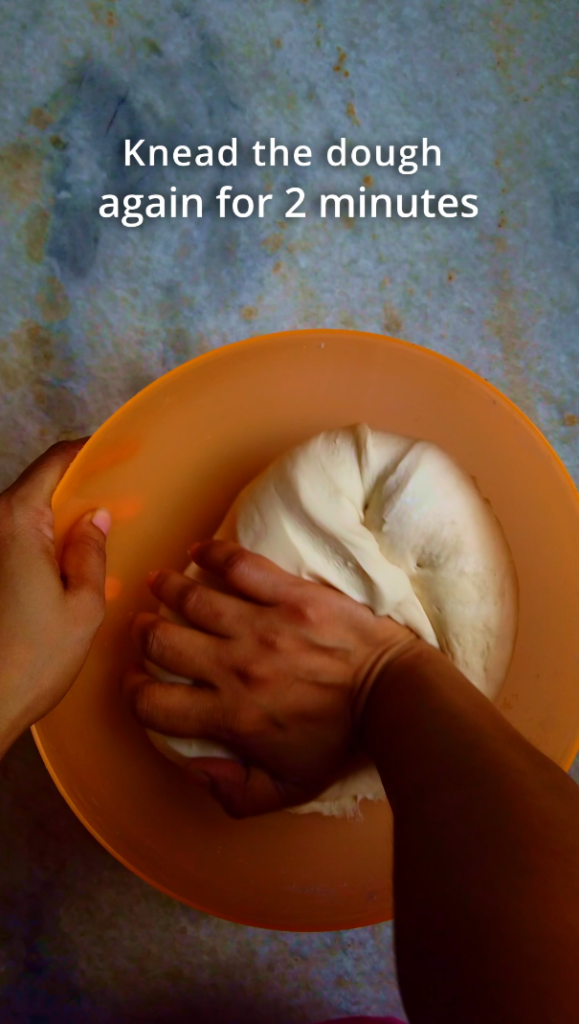
This classic flatbread is prepared using a simple dough made with refined flour, salt, sugar, milk and oil. The secret to its soft texture and distinct layers lies in allowing the dough to rest for several hours before it is stretched, layered and cooked. This resting period helps develop the elasticity needed to create the characteristic flaky layers.
Among the many regional Indian flatbreads, Kerala parota stands out as the South Indian counterpart of the North Indian Lachha Paratha, both celebrated for their beautiful layers. Unlike many bread recipes, this traditional version is unleavened, egg-free and made without yeast, relying only on proper kneading, resting and shaping techniques.
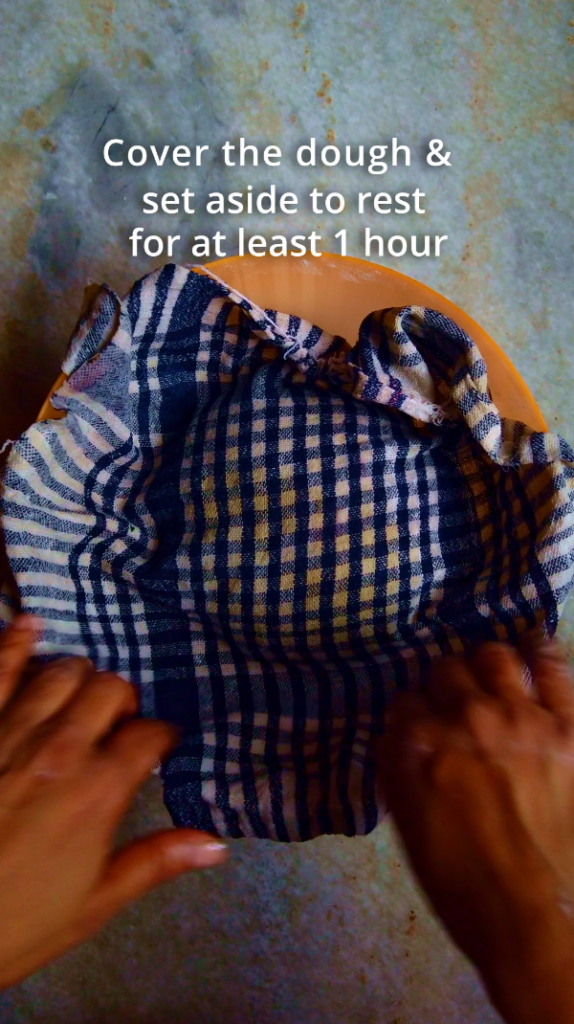
Flour: use good-quality refined flour for the best elasticity and soft texture. After kneading the dough rest for at least 1-2 hours so the gluten relaxes, making it easier to stretch and resulting in flaky parotas.
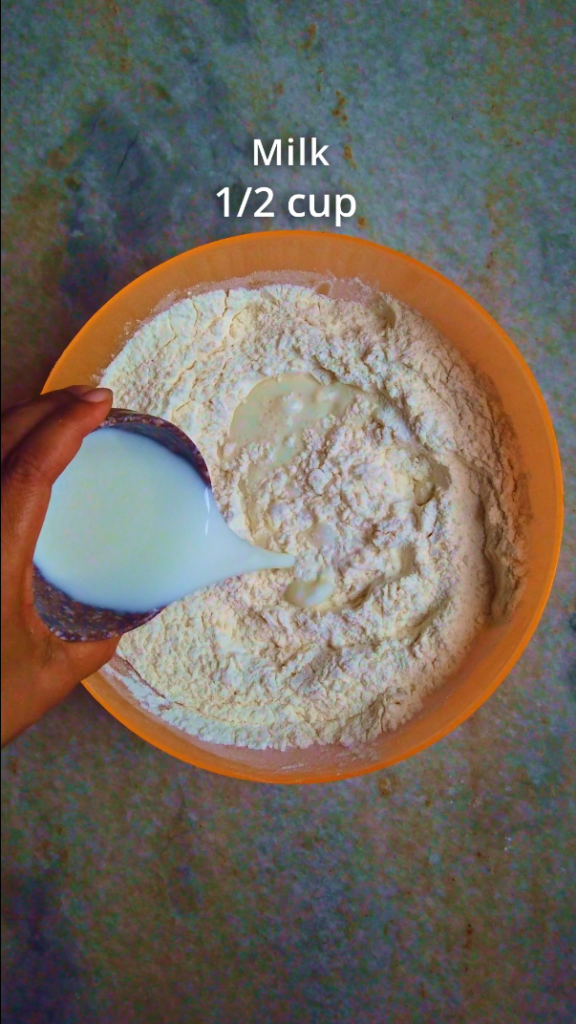
Milk: Warm milk helps create a soft and tender dough, it improves the texture and keeps the parotas light.
Salt: Salt enhances the overall flavour of the parota. Fine table salt works best, while coarse rock salt or sea salt is not recommended.
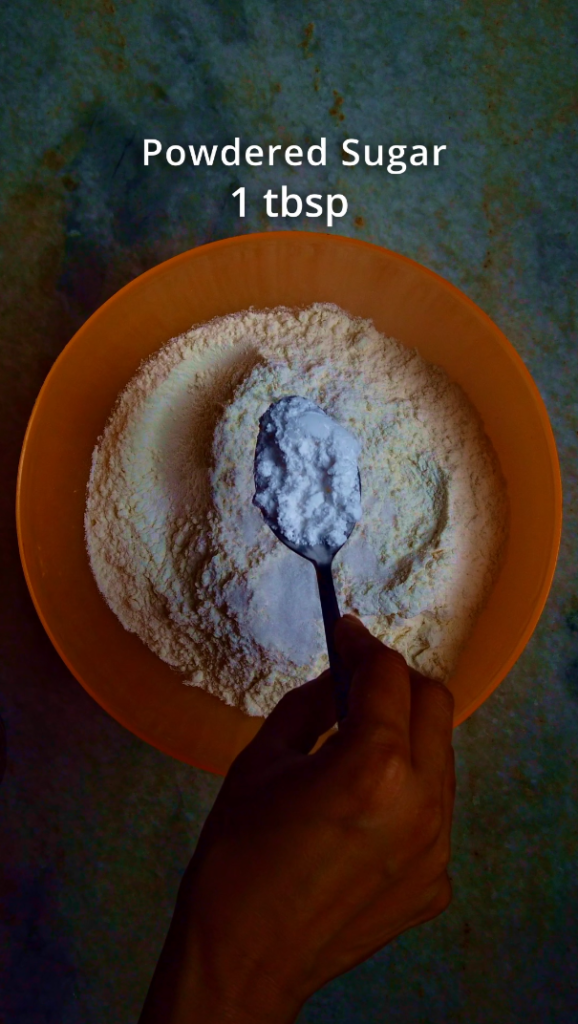
Sugar: A small amount of sugar helps the parotas develop a beautiful golden-brown colour while cooking. It also adds a subtle balance to the flavour without making the bread sweet.
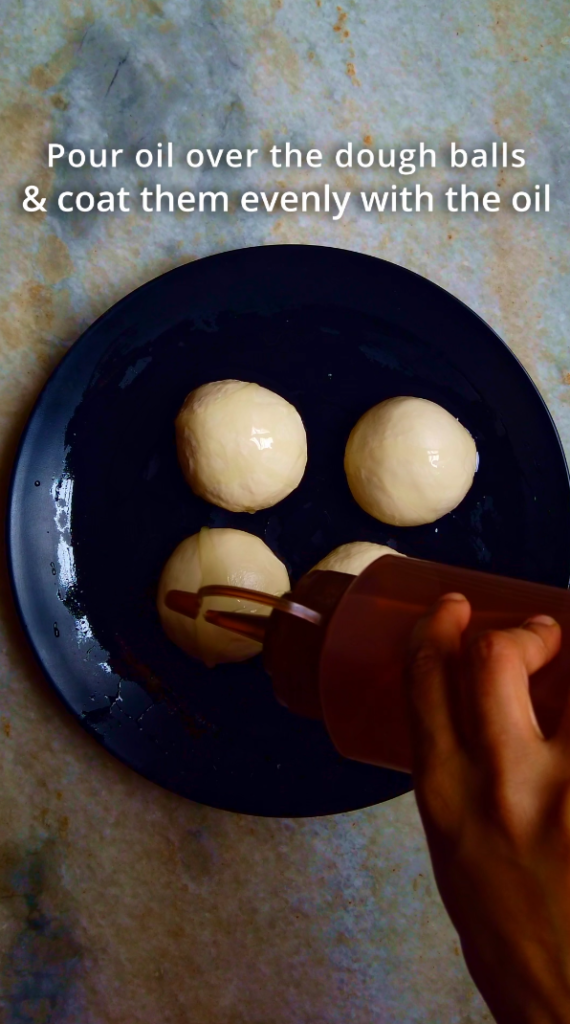
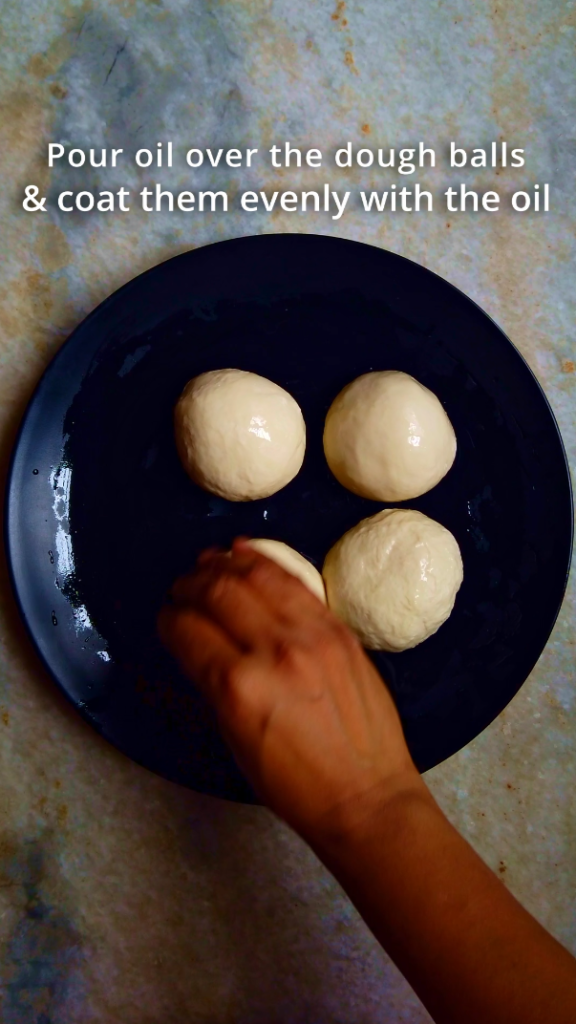
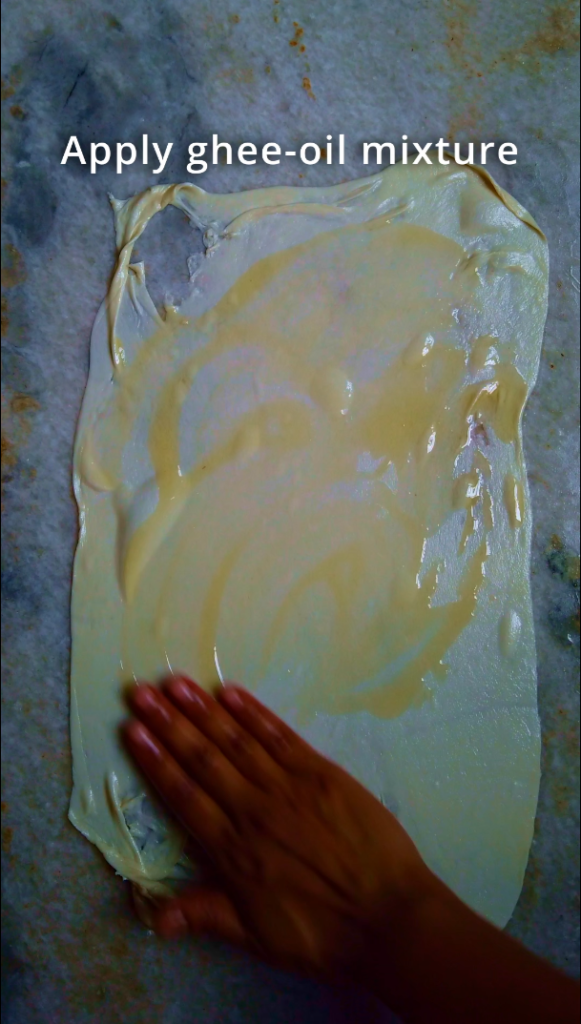
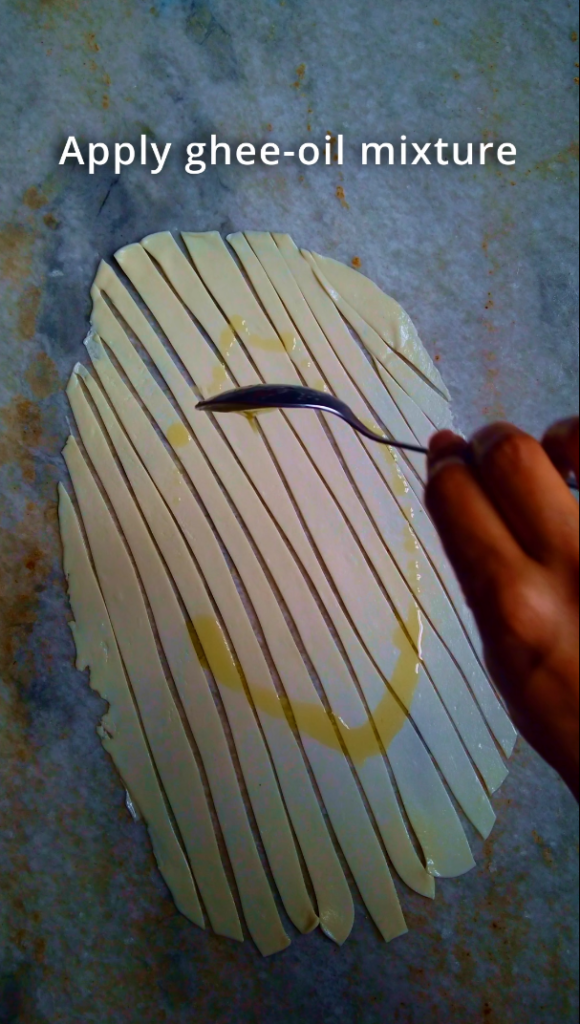
Oil: Oil is essential for creating the signature flaky layers. It is mixed into the dough for softness and also combined with a little flour to make a paste, which is spread over the rolled dough before folding and shaping to form distinct layers.
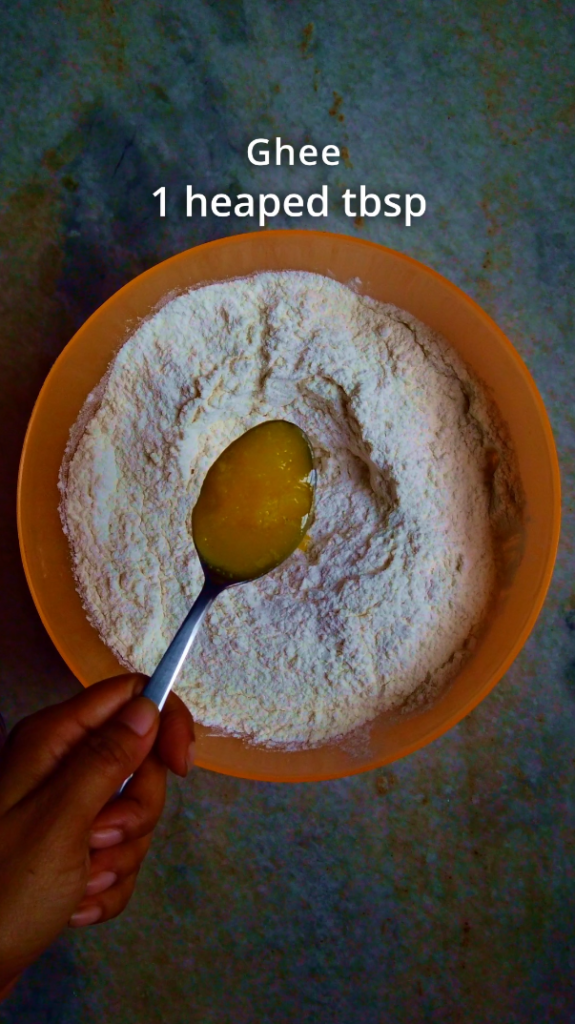
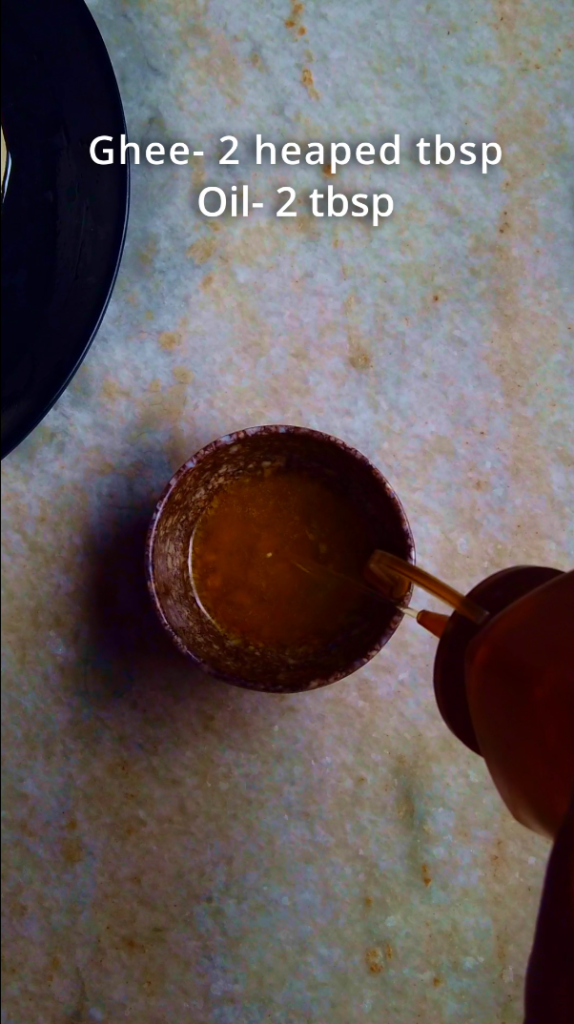
Ghee: Mixing ghee into the dough gives the parota a softer texture, flaky layers and a rich taste. The fat shortens the gluten stands, preventing the dough from becoming chewy, keeping it pliable for stretching and helping create delicate layers during cooking.
Kerala parota or Malabar parota is a popular South Indian flatbread that pairs wonderfully with a variety of curries. Serve it with spicy Andhra Pepper Chicken, Andhra Green Chili Chicken or rich Chicken Salna for a classic combination. For vegetarian options, enjoy alongside Veg Kadai, Veg Handi, Veg Korma or hearty lentil based curries like Dal Makhani.
4 cups All-purpose Flour
1 tbsp powdered Sugar
Salt to taste
1/2 cup Milk
3 heaped tbsp Ghee
2 tbsp Oil +Extra
Water as required
DEBJANI MONDAL
Welcome to Kitchenstagram, the home of delicious recipes, culinary inspiration and cooking adventures. I’m Debjani and I’m thrilled to be your guide through the wonderful world of food. I’m a self-taught professional baker, home chef, recipe developer, author of Kitchenstagram and an aspiring YouTuber.
My passion for food and cooking began at a very young age, when I would watch my mom and dad cook for me and my brother. My dad, in particular is a great cook whose culinary skills made a lasting impression on me. My dad would cook up a storm on special occasions by cooking variety of dishes, from delicious biriyani to samosa, fish fry, rasgullas and kachoris (sweet & spicy deep fried pastry with filling of lentils, meat or fish…>>>>>
FOLLOW ME