

Sütlac Recipe | Firin Sütlac | Turkish Baked Rice Pudding | Eid Special Recipe | Kitchenstagram
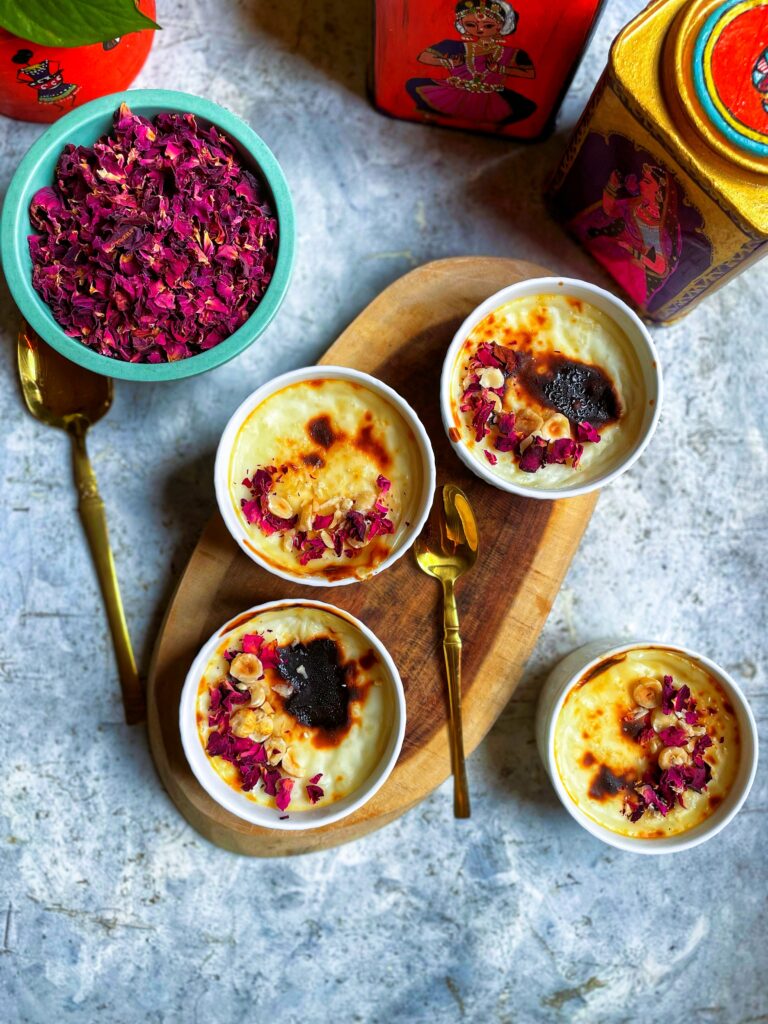
Sütlac is a beloved classic in Turkey, often enjoyed as a comforting finish to a meal. This traditional rice pudding holds a special place in everyday dining as well as festive occasions, thanks to its gentle sweetness and smooth, velvety consistency.
What makes this dessert stand out is its versatility. It can be prepared in two distinct styles- either gently simmered on the stovetop or baked to create a lightly caramelized surface. The baked version, known as firin sütlac, develops a signature golden top layer that adds both visual appeal and a subtle depth of flavour. This contrast between the creamy base and slightly toasted surface is one of its most defining characteristics.
Despite its simplicity, sütlac requires care and attention during preparation. The process involves slow cooking and regular stirring to achieve the ideal texture- neither too thick nor too runny. The result is a pudding that feels rich yet surprisingly light, making it suitable even after a hearty meal.
Traditionally, sütlac is served chilled in small, individual bowls, often made of clay or ceramic, known as toprak güvec which help retain its cool temperature and enhance the presentation. While it is delightful on its own, it is sometimes finished with a light garnish. A dusting of spice or a sprinkle of finely chopped nuts can add a touch of aroma and texture without overpowering the dish’s delicate flavour.
Another appealing aspect of this dessert is its adaptability. The consistency and sweetness can be easily adjusted depending on personal preference, making each version slightly unique. Some prefer it thicker and more pudding-like, while others enjoy a looser, creamier form.
Sütlac also reflects the resourcefulness of traditional cooking. It can be prepared using freshly cooked grains or repurposed from leftover rice, making it both practical and economical. This flexibility has helped it remain a staple in many households for generations.
The choice of rice plays an important role in achieving the desired creaminess. Short-grain varieties are typically preferred because of heir higher starch content, which naturally thickens the mixture and creates that signature smooth texture. This eliminates the need for additional thickening agents and keeps the preparation straightforward.
Beyond its taste and texture, sütlac carries a sense of nostalgia and comfort. It is often associated with home-cooked meals, family gatherings and the warmth of traditional kitchens. Whether served plain or with a lightly caramelized top, it continues to be a timeless dessert that appeals to all age groups.
In essence, sütlac is more than just a rice pudding- it is a reflection of culinary tradition, simplicity and patience. Its enduring popularity lies in how effortlessly it combines humble techniques with satisfying results, offering a dessert that is both familiar and deeply comforting.
Serving suggestions:
Serving sütlac is all about presentation and temperature. Once the pudding reaches a smooth, creamy consistency, portion it into individual heat-safe bowls or traditional clay dishes for an authentic touch. These not only look appealing but also help maintain the warmth of the dessert.
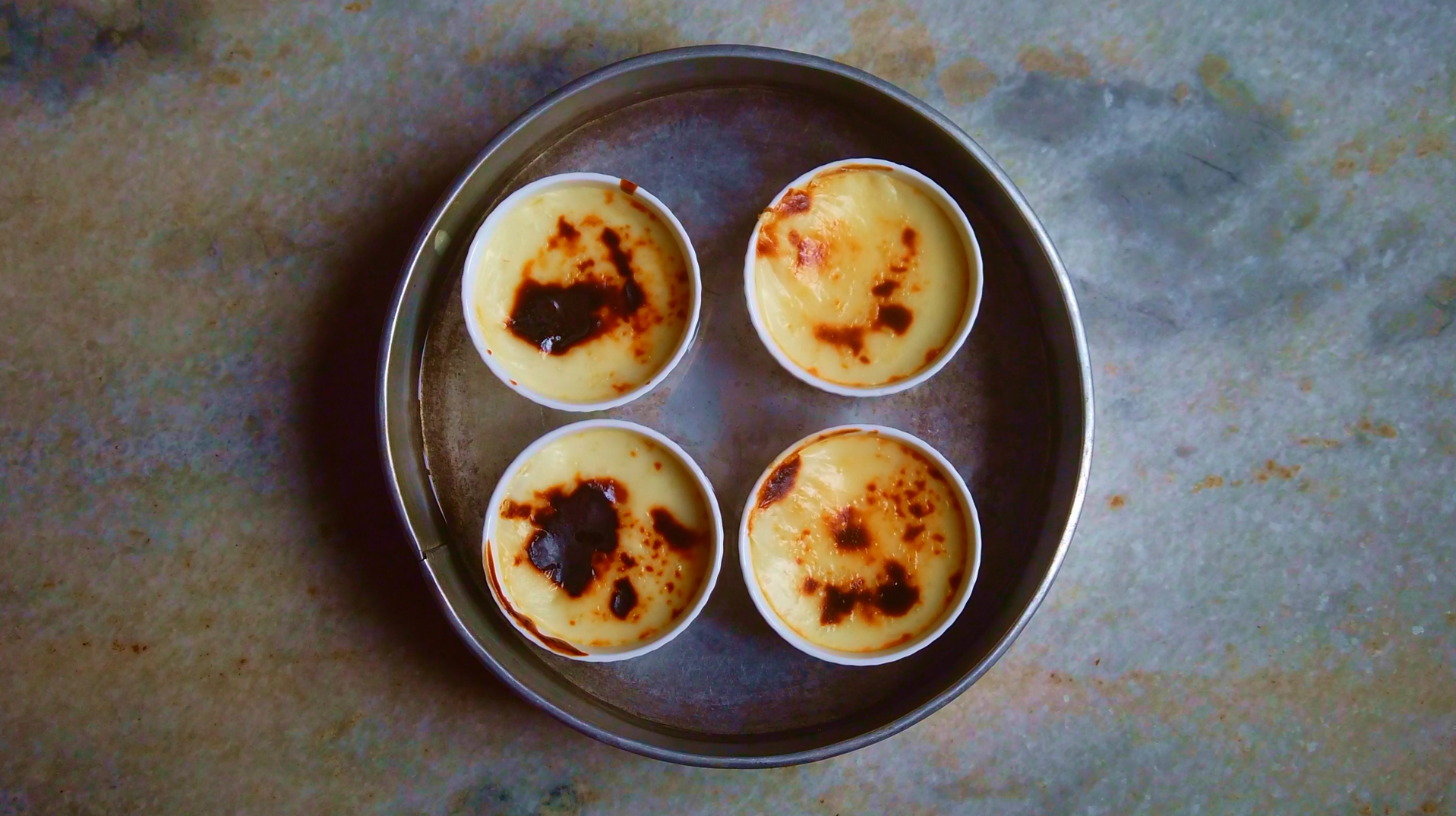
For a classic baked version, place the filled bowls on a tray and gently brown the tops under high heat until a lightly caramelized layer forms. This adds both texture and a subtle depth of flavour that many people enjoy.
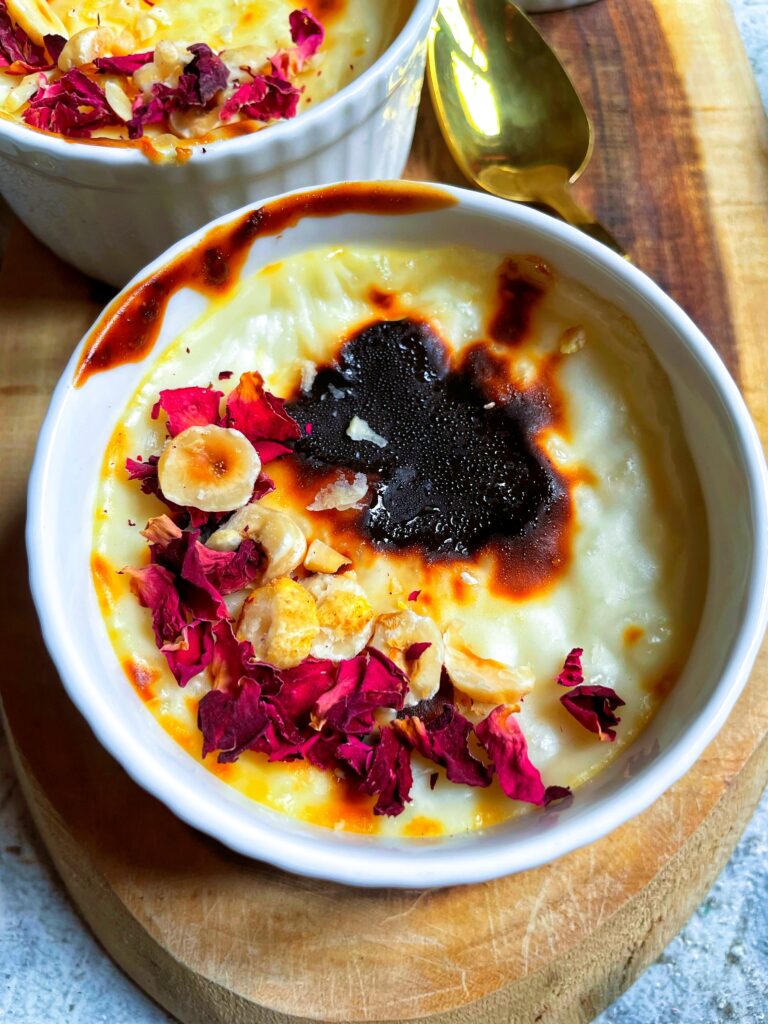
Allow the pudding to cool naturally before chilling them in the refrigerator. Serving them slightly cold enhances their creamy texture and makes them more refreshing, especially after a hearty meal. Just before serving, a light dusting of cinnamon or a small handful of crushed nuts or a few raisins or dried rose petals for extra texture and contrast.
Sütlac is typically enjoyed as a comforting dessert at the end of a meal. It pairs wonderfully with warm cup of tea, especially black tea, creating a simple yet satisfying finish. For those who like experiment, a hint of vanilla can be introduced during preparation for a slightly different flavour profile without overpowering the dish.
Storage Tips:
Allow the pudding to cool completely before storing to maintain its texture and flavour. Once cooled, keep it covered tightly and place it in the refrigerator, where it stays fresh for several days. Using individual serving bowls with a proper cover helps prevent it from drying out or absorbing other odours.
For longer storage, it can be placed in the freezer in well-wrapped portions. Make sure each container is sealed securely to avoid ice crystals forming. When ready to enjoy, transfer it to the fridge and let it thaw gradually.
Do note that freezing may slightly affect the creamy consistency, making it less smooth after defrosting. For best results, enjoy it fresh or within a few days of refrigeration.
Pro Tips:
- For a plant-based version, swap dairy milk with coconut milk for rich, subtle flavour.
- Add a finishing touch with chopped nuts, dried fruits or light dusting of cinnamon for extra texture and aroma.
- Keep the natural starch on the rice, as it helps create a creamy consistency.
- While refrigerating, loosely cover the bowls to prevent moisture buildup from affecting the texture.
- If traditional bakeware isn’t available, simple foil or disposable cups can work just as well for baking and serving.
Ingredients:
For Rice Pudding:
100 gm Rice
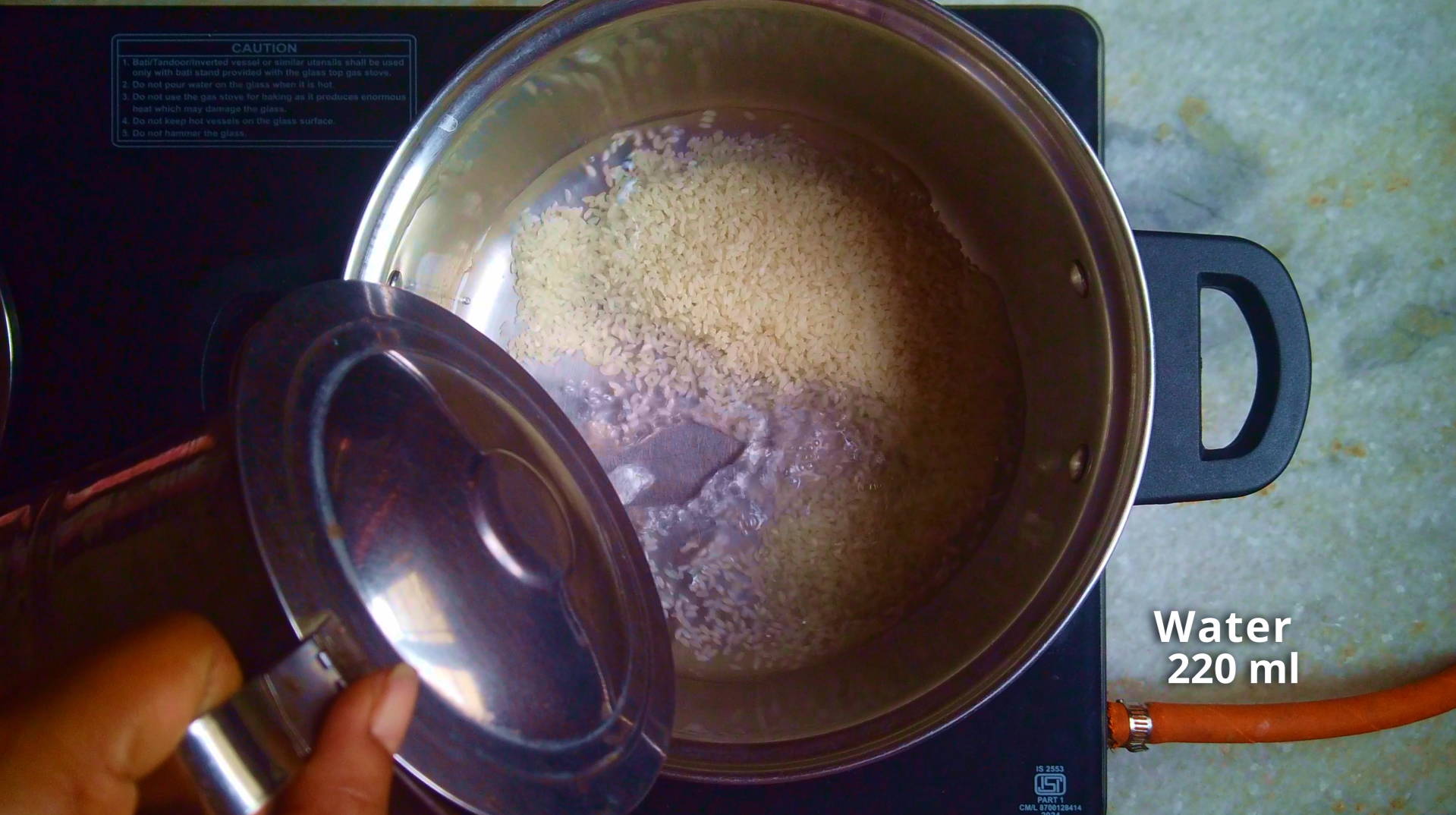
220 ml Water
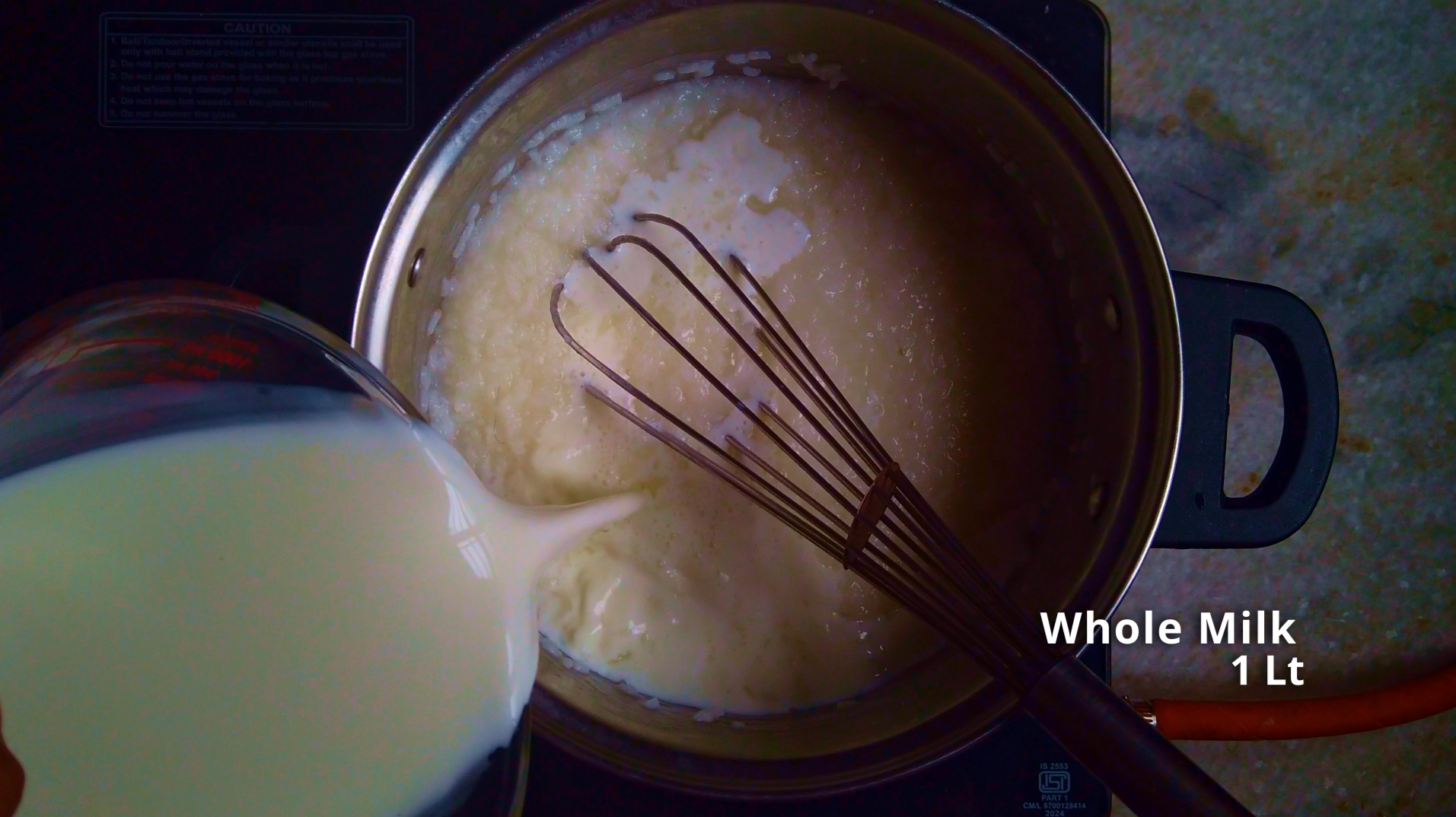
1 Lt Whole Milk
200 gm Sugar
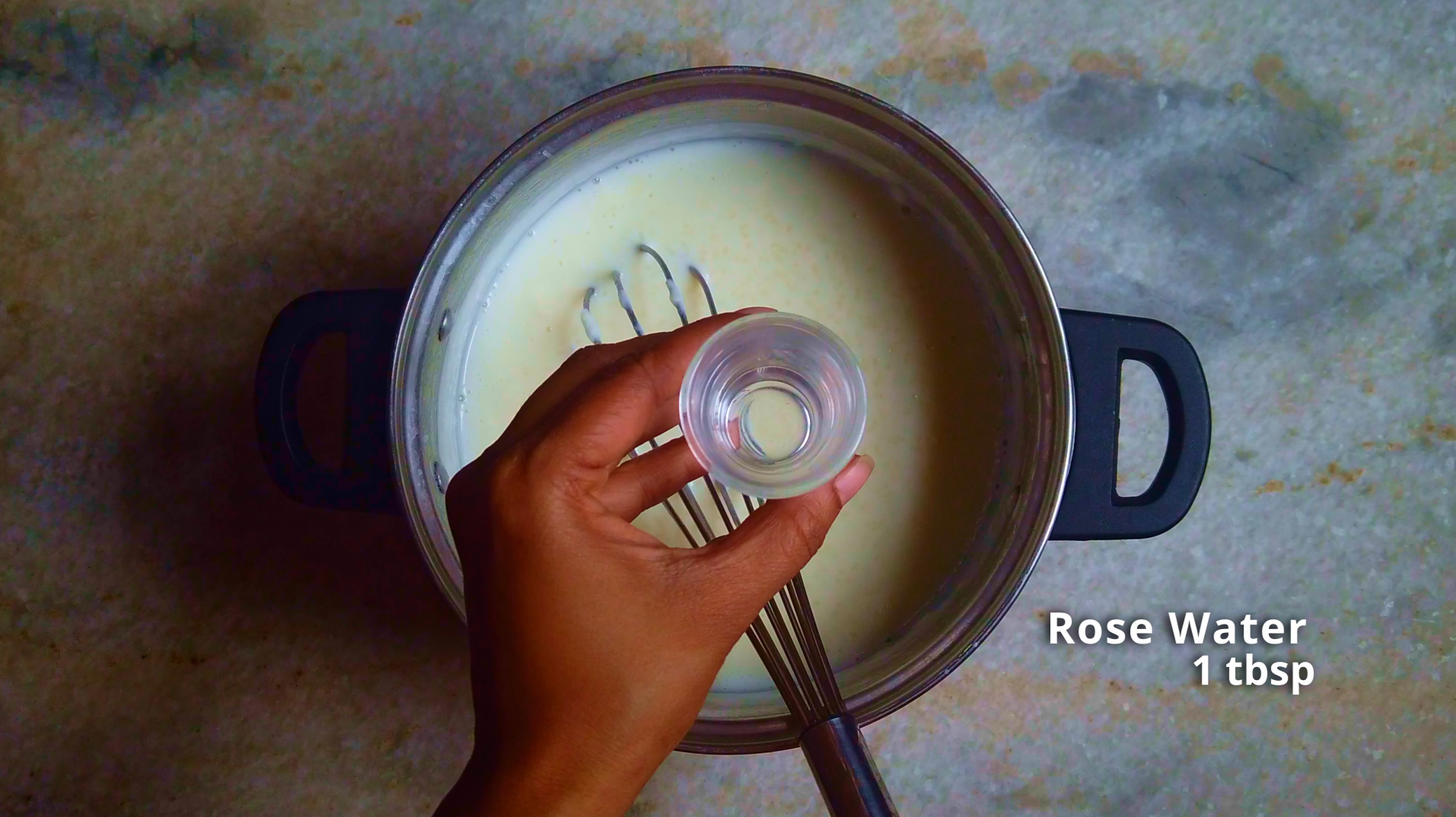
- 1 tbsp Rose Water
For Garnish:
Hazelnuts, chopped
Dried Rose Petals
Preparation:
- Step 1: In a heavy-bottom pot, combine rice and water. Cover and cook on low heat for 10-15 minutes or until it’s softened and almost all water is absorbed. Cooking the rice in water first allows to release extra starch. Gently mash the rice before adding milk so it thickens smoothly while cooking, creating a silky, creamy consistency without any unwanted lumps.
- Step 2: Then add the milk and sugar, stir to combine. Cook the pudding for 30 minutes on low heat or until thickens. Turn off the stove.
- Step 3: After removing from the pot from heat, add in the rosewater and stir thoroughly.
- Step 4: Now, fill your ramekins, leaving 1/2 cm space at the top. Place the ramekins in a deep tray and pour enough hot water to cover halfway through the bowls.
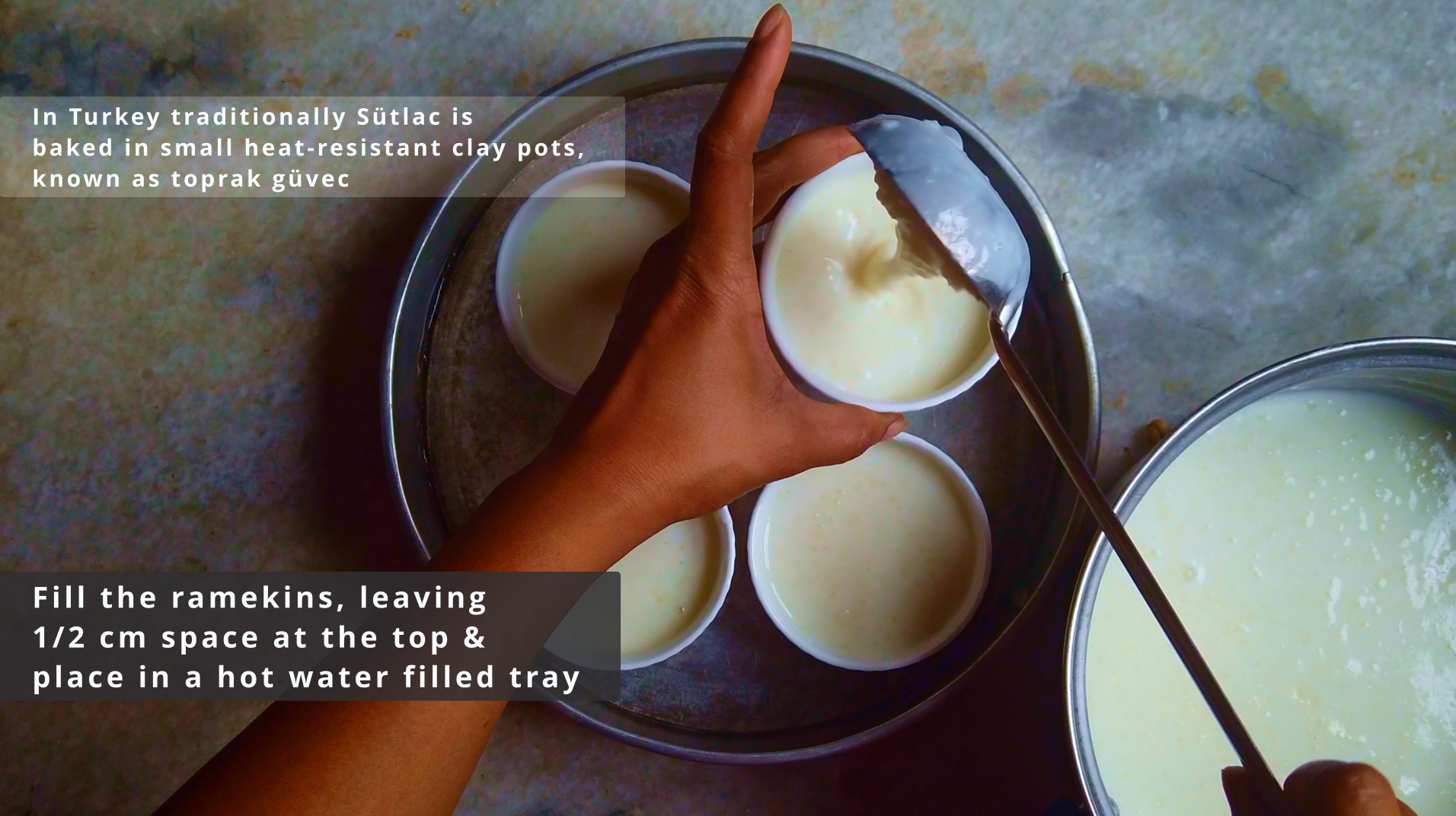
- Step 5: Preheat the oven @230°C on grill mode. Bake for about 20 minutes, until the tops are nicely browned. Let it cool down to room temperature, then refrigerate for at least 2 hours or overnight.
- Step 6: Serve cold, garnish with chopped hazelnuts and dried rose petals. Enjoy!!
About Me

DEBJANI MONDAL
Welcome to Kitchenstagram, the home of delicious recipes, culinary inspiration and cooking adventures. I’m Debjani and I’m thrilled to be your guide through the wonderful world of food. I’m a self-taught professional baker, home chef, recipe developer, author of Kitchenstagram and an aspiring YouTuber.
My passion for food and cooking began at a very young age, when I would watch my mom and dad cook for me and my brother. My dad, in particular is a great cook whose culinary skills made a lasting impression on me. My dad would cook up a storm on special occasions by cooking variety of dishes, from delicious biriyani to samosa, fish fry, rasgullas and kachoris (sweet & spicy deep fried pastry with filling of lentils, meat or fish…>>>>>
FOLLOW ME
My Latest Posts
- post 1
- post 2