

Ramen Eggs | Ajitsuke Tamago | Ajitama Recipe| Kitchenstagram

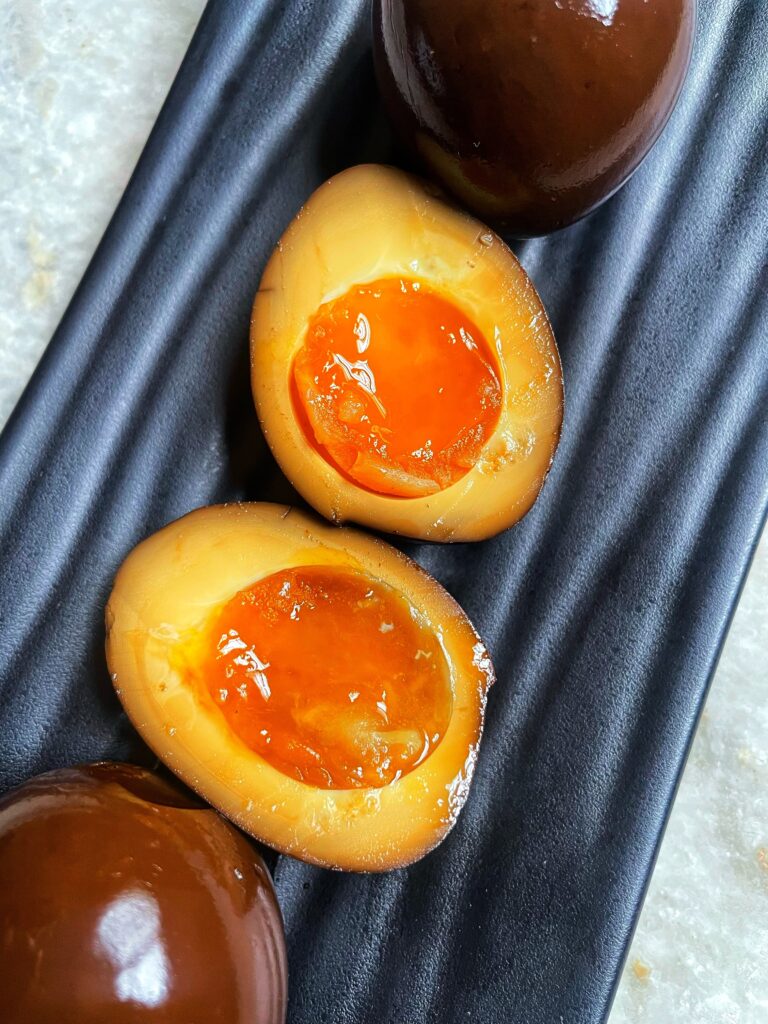
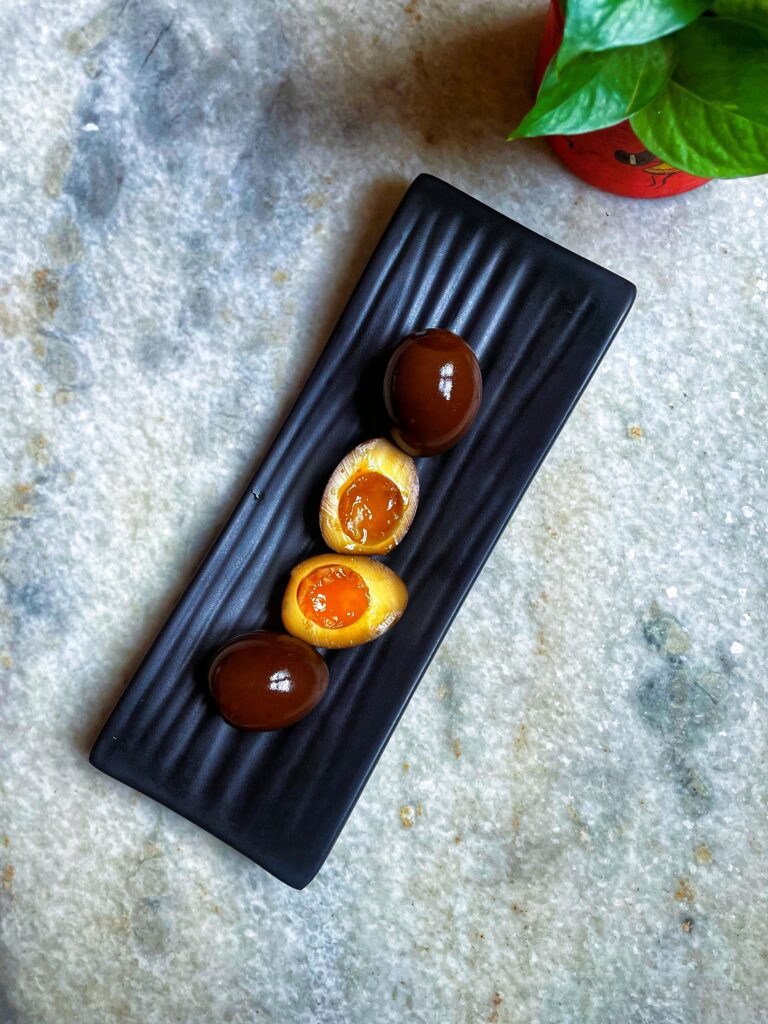
Ramen Eggs, known in Japan as Ajitsuke Tamago or simply Ajitama, are soft-boiled eggs, marinated in a flavourful soy-based sauce until they absorb a beautiful balance of sweet, salty and deeply savory notes. With their tender whites and luscious, jammy centers, these eggs add richness and depth o any dish that accompany.
What makes them so special is the contrast in texture. The outer white becomes seasoned and slightly firm after soaking, while the yolk remains creamy and custard-like. The marinade is where the magic happens. Traditionally built around soy sauce and mirin, it delivers that signature umami character along with a gentle sweetness. Some home cooks add their own twist with a subtle extra ingredients that enhances complexity and rounds out the flavour profile.
Although closely associated with ramen, these eggs are far more versatile than many people realize. Yes they are classic topping for shoyu ramen, tonkotsu ramen, or miso-based broths, sitting alongside slices of chicken chashu or pork chashu, sheet of nori and fresh green onions. Their creamy yolk blends beautifully into hot broth, enriching every spoonful for many ramen lovers, a bowl simply feels incomplete without one.
However, their appeal extends beyond noodle soups. Ajitama makes a satisfying snack straight from the fridge, offering a protein-packed bite that’s already seasoned and ready to enjoy. They fit perfectly into bento boxes, pair wonderfully with rice bowls and even elevate simple salads. Layer them into sandwiches, tuck them into wraps, or serve them alongside stir-fried vegetables for an extra burst of flavour. Their adaptability is part of their charm.
Another reason these eggs are so popular is how approachable they are to prepare. With just a handful of pantry staples and careful timing during the boiling process, you can achieve consistent, impressive results at home. The key lies in cooking the eggs just long enough to set the whites while keeping the yolks soft and velvety. An ice bath stops the cooking immediately, ensuring the ideal jammy texture. After peeling, the eggs are submerged in marinade and left to absorb the savory goodness.
Because they store well for a few days, ramen eggs are a practical addition to weekly meal prep. Keeping a batch in the refrigerator means you always have something flavourful ready to enhance a quick meal. Whether you prefer soft centers or slightly firmer yolks, the marinating process works beautifully either way.
Across different cultures, seasoned eggs appear in many forms- such as pickled eggs or tea-infused varieties- but Japanese ramen eggs stand out for their balanced sweetness and umami depth the soy-based marinade not only flavours the eggs but also gives them their characteristic light brown tint on the outside.
Why you’ll love Japanese Ramen Eggs:
These ramen eggs deliver bold, savory depth in very little time. Even a short soak of a couple of hours gives the whites a beautifully seasoned edge. Let them rest overnight and richness intensifies, gently work its way toward the center for a luscious, jammy bite. The longer they sit, the more pronounced and complex the taste becomes. Once marinated, they keep well in the refrigerator for several days, making them perfect for meal prep.
The beauty of this recipe lies in its adaptable base. A simple blend creates a classic, balanced taste, but you can easily layer in additional aromatics for extra character. Warm spices, fresh ginger, garlic or a hint of heat can completely transform the profile. If adding whole spices or aromatics, gently heating the liquid helps draw out their essence before soaking eggs.
This recipe keeps things straightforward. The marinade can be prepared in minutes, with or without heat. The eggs are boiled directly in hot water, which shortens the cooking time and ensures consistent results. No complicated steps, no special equipment- just reliable technique. If you’d like a milder cure for longer marination, dilute the mixture slightly so the seasoning develops gradually without overpowering the eggs. Whether you’re topping ramen, rice bowls, salads or enjoying them as a snack, having a batch ready in the fridge makes weeknight meals effortless.
Ingredients needed for Ramen Eggs:
Large Eggs: For evenly cooked, jammy centers, use large eggs that are close in size. When the eggs are similar in weight, they cook at the same rate, giving you consistent yolks. Smaller eggs will firm up more quickly, while extra-large ones need a little extra time in the water. Size also affects marination- smaller eggs tend to absorb flavour faster because of their proportion. If you switch sizes, simply adjust the boiling time slightly to maintain that perfect soft-set texture.
Mirin: Mirin adds gentle sweetness and depth to the marinade. It is a Japanese rice wine commonly used to round out savory dishes with a subtle sugary note. Both traditional mirin and alcohol-free versions work well in this recipe. If it’s unavailable, you can substitute with a mild rice wine or even a splash of dry white wine balanced with a touch of sugar. The goal is to create a sweet undertone tat complements the saltiness of the soy sauce.
Regular Soy Sauce: Standard light soy sauce forms the savory backbone of the marinade. It provides salt, colour and that signature umami flavour. Japanese, Chinese or Korean light soy sauces are all suitable choices. For gluten-free diets, tamari is a good alternative. The salt in soy sauce not only seasoned eggs but also helps firm the outer layer of the whites, enhancing the jammy texture over time.
Water: Water helps dilute the marinade so it doesn’t become overly salty. It allows the flavours to penetrate gradually while keeping the eggs balanced in taste. This is especially useful when preparing a non-alcoholic version of the marinade.
Sugar: A small amount of sugar smooths out the sharp edges of the soy sauce. It adds balanced rather than noticeable sweetness. You can adjust the quantity depending on your preference- slightly more for a sweeter profile or less for a more savory result.
Additional spices: Aromatics such as sliced ginger or crushed garlic can be added for extra complexity. These subtle additions infuse eggs with deeper flavour without overpowering the classic soy-mirin base.
Serving Suggestions:
These flavourful jammy eggs shine brightest when nestled into a steaming bowl of noodles. Add a halved egg to classic ramen varieties- from rich pork-based broths to lighter chicken versions- or even dry style noodle dishes for an extra boost of umami.
They’re also fantastic beyond ramen. Pair them with stir-fried noodles, spoon them over a warm bowl of rice or enjoy them alongside simple buttered toast for a quick, satisfying bite. For something a little special, transform them into miso-filled devilled eggs for a striking appetizer.
When serving, cut the eggs lengthwise to reveal their soft, custardy centers and place them gently on top of your dish just before serving. The creamy yolk and savor exterior add richness, depth and beautiful presentation to any meal.
Storage Tips:
Place the marinated eggs in a well-sealed container and refrigerate promptly. Properly stored, they stay fresh for several days. If you have thinned the marinade with water, the eggs can remain submerge for longer without becoming overly salty. Always ensure the shells are intact before marinating, as cracks can cause the yolks to steep out.
When using a stronger, undiluted marinade, it’s best to take the eggs out after few hours to prevent an overly intense flavour. Transfer them to a separate airtight container and keep chilled. For soft-boiled eggs, aim to enjoy them within 3-4 days for the best texture and taste.
Keep the eggs refrigerated at all times, and use a clean spoon or utensil each time you remove one to maintain freshness. While they can be marinated up to two days, many prefer removing them sooner to avoid excess saltiness. Stored properly in a sealed container, ramen eggs can last up to a week in the refrigerator. When ready to serve, simply slice and add them to your ramen bowl or enjoy as a quick flavourful snack.
Pro tips:
Making a small hole, usually at the wider end before boiling an egg prevents it from cracking an escape route for expanding air, while also producing a more rounded, aesthetic shape and making the egg easier to peel. The hole relives internal pressure, reducing the chance of shell breaking.
Dropping eggs directly into already boiling water gives you better control over timing. Since the water is at a steady boil from the start, you can begin counting immediately. This eliminates guesswork caused by different stovetop or cookware heating at different speeds. The result? Reliable soft-boiled eggs with set whites and creamy centers in just over six minutes.
Let your eggs sit out for a short while before cooking. Eggs that aren’t ice-cold cook more evenly, helping you hit that ideal soft center without adjusting timing. If they go straight from fridge to pot, you may need slightly longer cooking time, which can affect consistency.
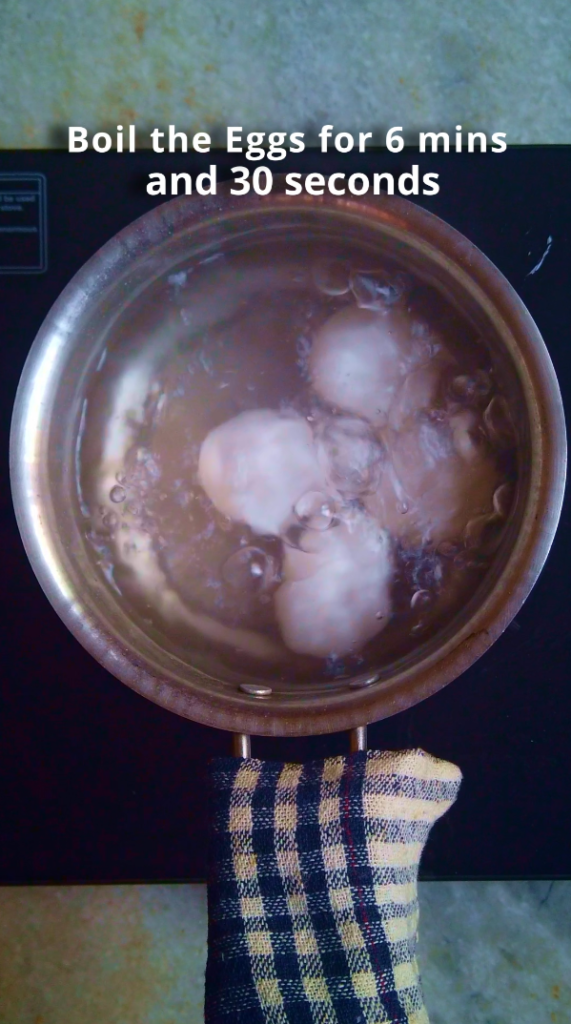
For the ideal soft-set white and luscious center, cook for approximately 6 minutes 30seconds. Even a small variation can change the texture, so use a timer. Immediate cooling afterward locks in that perfect consistency.
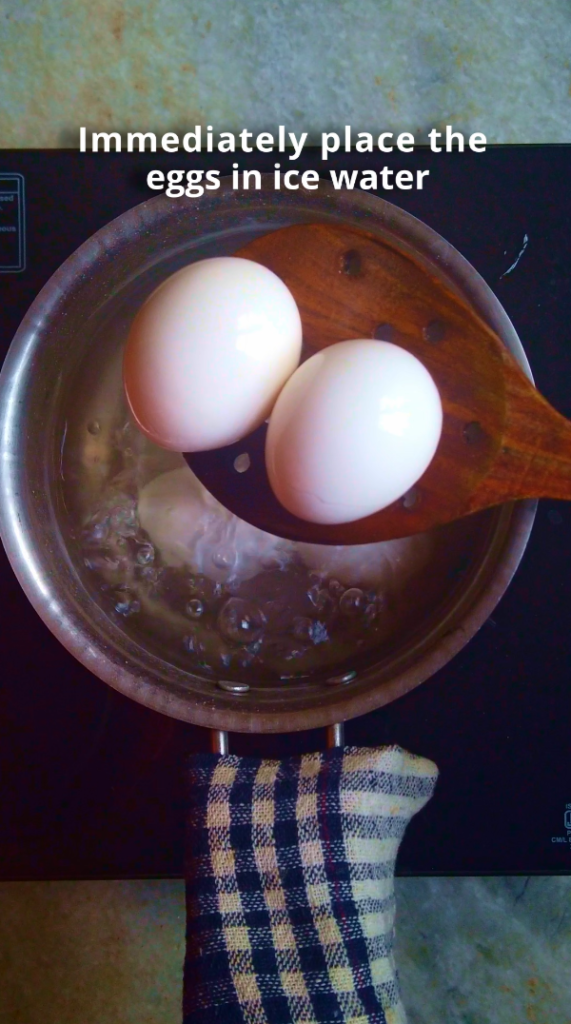
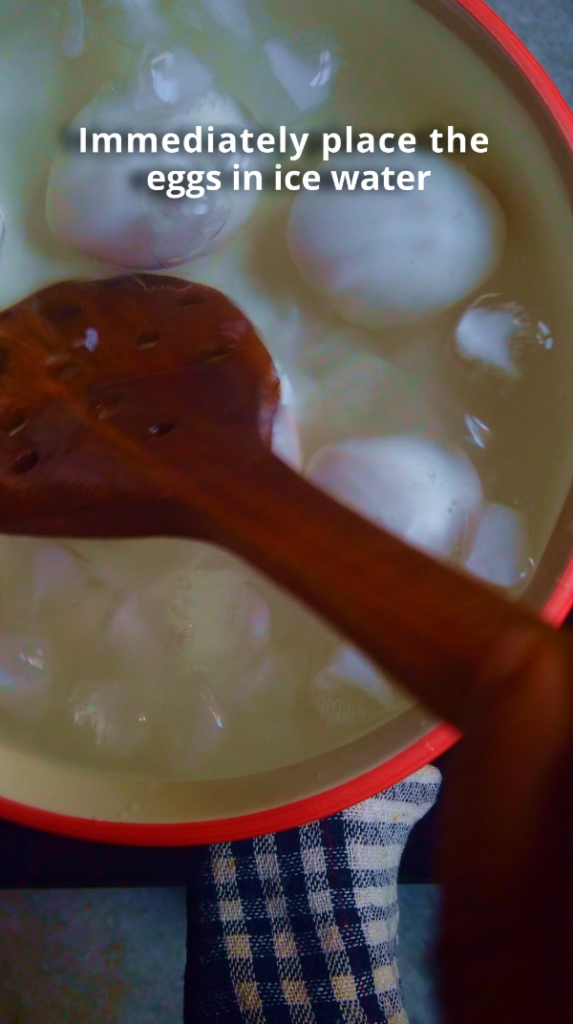
As soon as the eggs reach your preferred doneness, transfer them into a bowl of very cold water. Rapid cooling halts further cooking and preserves the soft, jammy interior. It also prevents a grey ring from forming around the yolk, keeping the eggs visually appealing.
For easy peeling. Lightly tap the shell all over to create small cracks. Begin removing the shell from the wider end, where there’s usually a small air pocket. Peeling under running water can help loosen stubborn bits of shell. Take your time- smooth whites are especially important because the marinade will accentuate any rough patches.
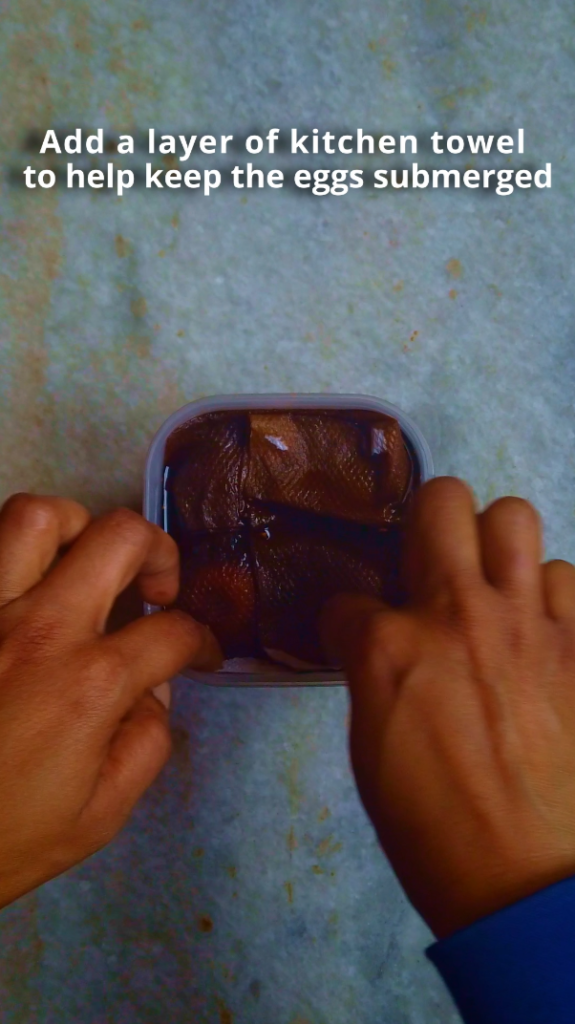
If the eggs aren’t fully submerged, place a small piece of paper towel over them. The towel absorb the marinade and keeps the exposed surfaces coated. This prevents uneven colouring or pale patches, giving the eggs a uniform finish.
While soaking enhances flavour, leaving the eggs in a salty marinade for too long can negatively affect both taste and texture. The seasoning gradually penetrates the egg and transforms the yolks into a richer, custardy consistency. However, extended soaking can make them overly salty and slightly rubbery.
Ingredients
4 nos. Large Eggs
3/4 cup Mirin
1/2 cup Regular Soy Sauce
1/2 cup Water
1 tbsp Sugar
1 no. Garlic clove, crushed
1 tbsp Ginger, grated
Preparation
- Step 1: Poke the bottoms of the eggs with a thumb-tack or needle to create tiny holes. Bring a pot of water to a boil. Once boiling, gently place the eggs and boil for 6 minutes and 30 seconds on medium-high heat, for a soft boiled yolk consistency.

- Step 2: After 6 minutes and 30 seconds promptly remove the eggs and shock them in a bowl of iced water. Cool for 15 minutes.
- Step 3: Carefully peel the eggs by gently tapping them on a hard surface to create little cracks all over the surface.
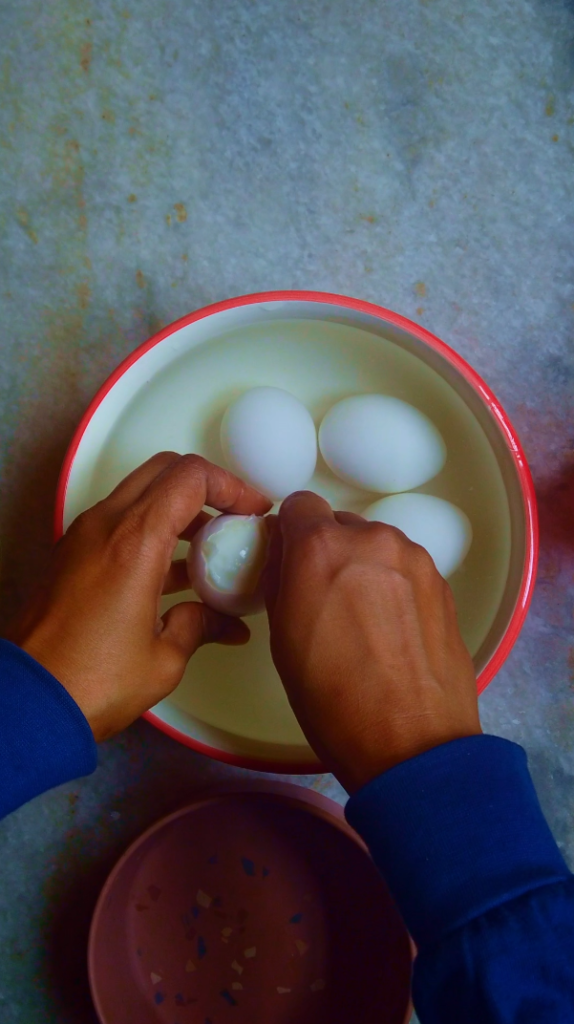
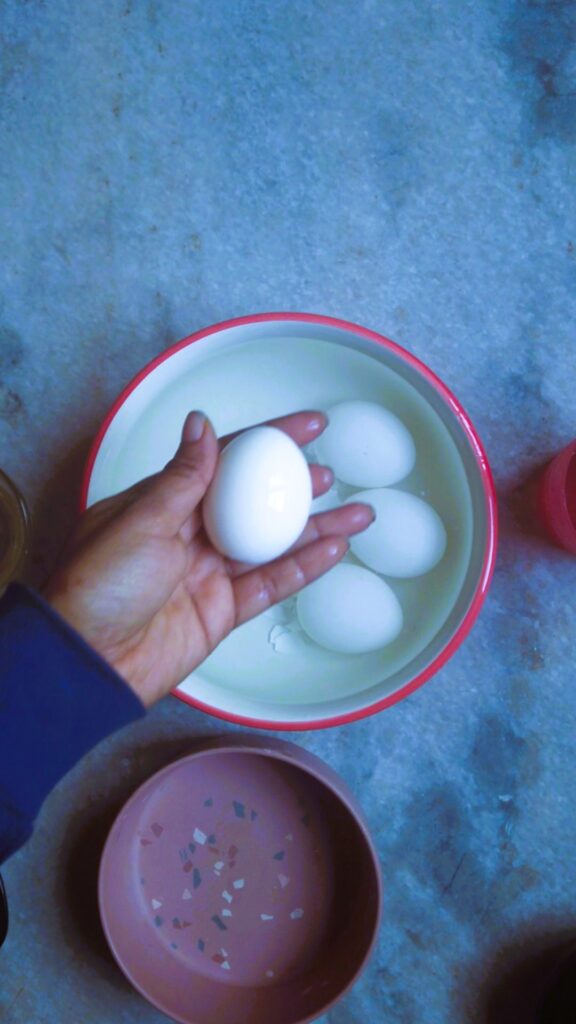
- Step 4: In a jar combine soy sauce, mirin, water, crushed garlic, grated ginger and sugar. Add the mixture in a saucepan.
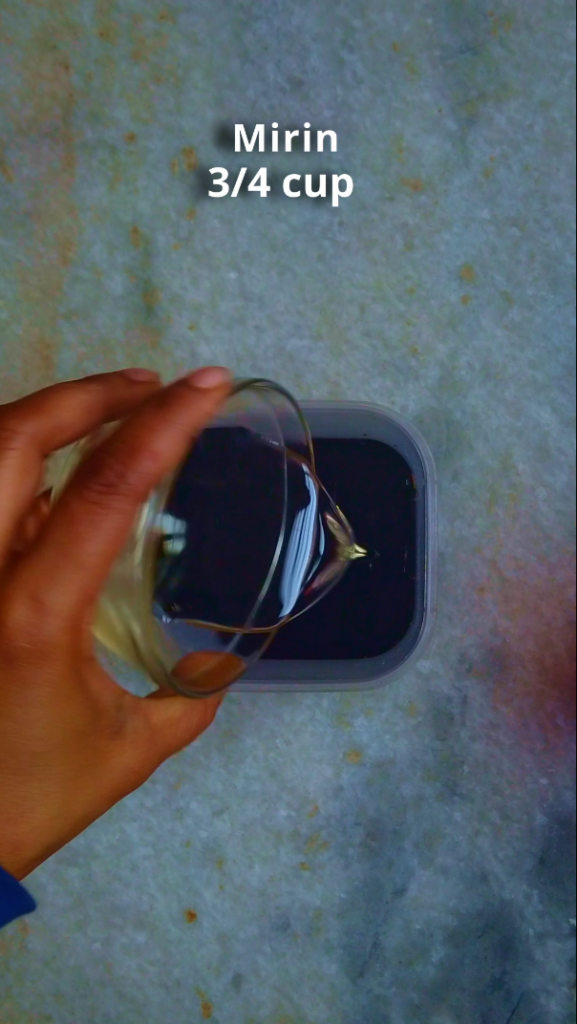
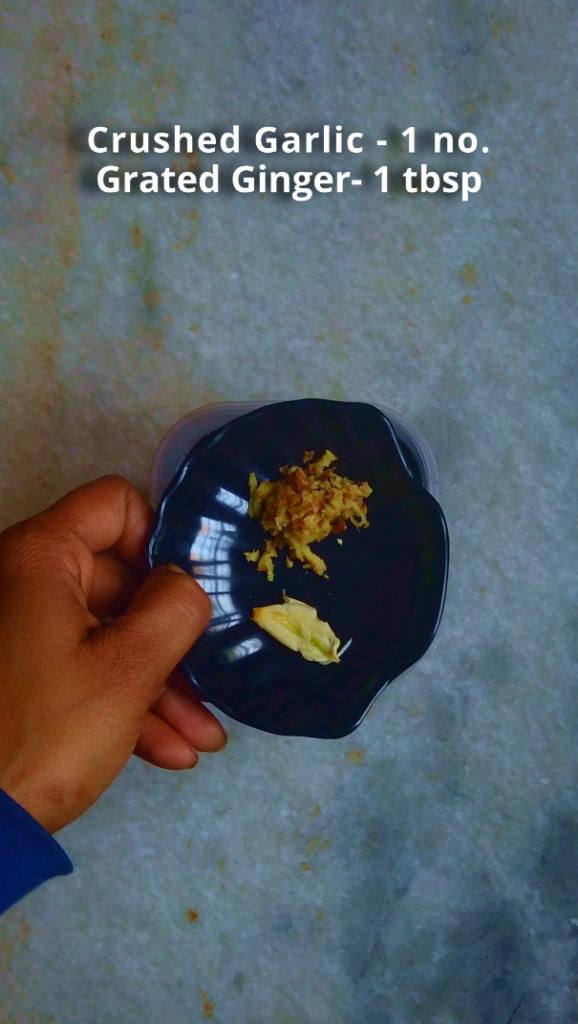
- Step 5: Bring it to a boil, whisking it to dissolve the sugar completely. Once boiling, lower the heat and simmer for 1 minute. Turn off the heat. Set aside to cool completely.
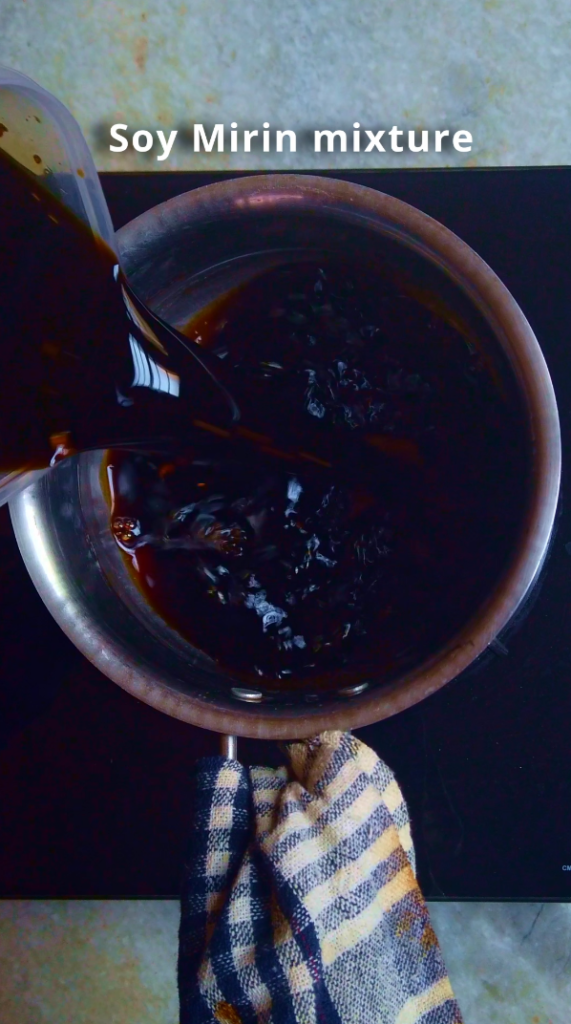
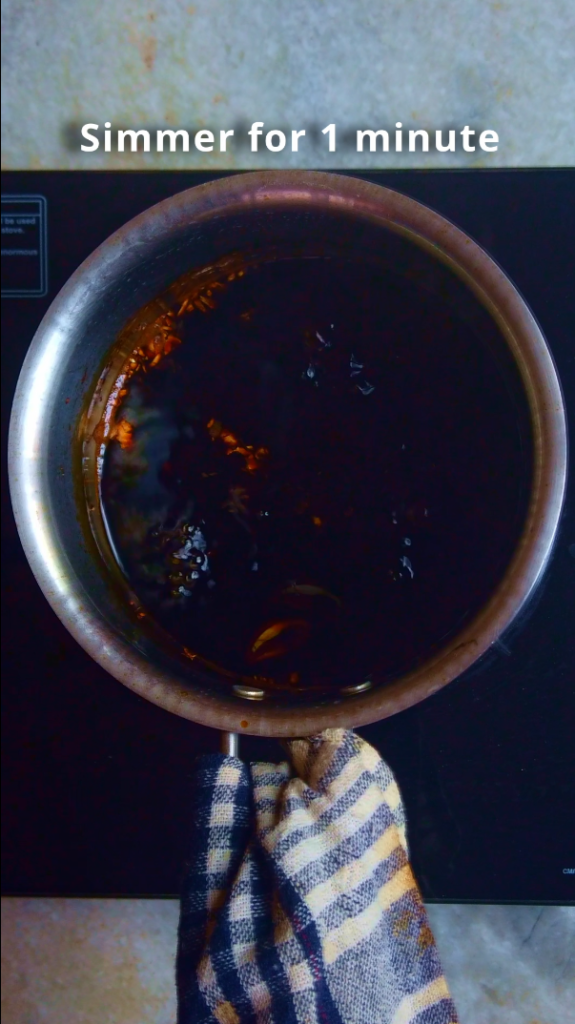
- Step 6: Add the cooled marinade in a airtight jar, then add the eggs. Add a layer of kitchen towel to help keep the eggs submerged.
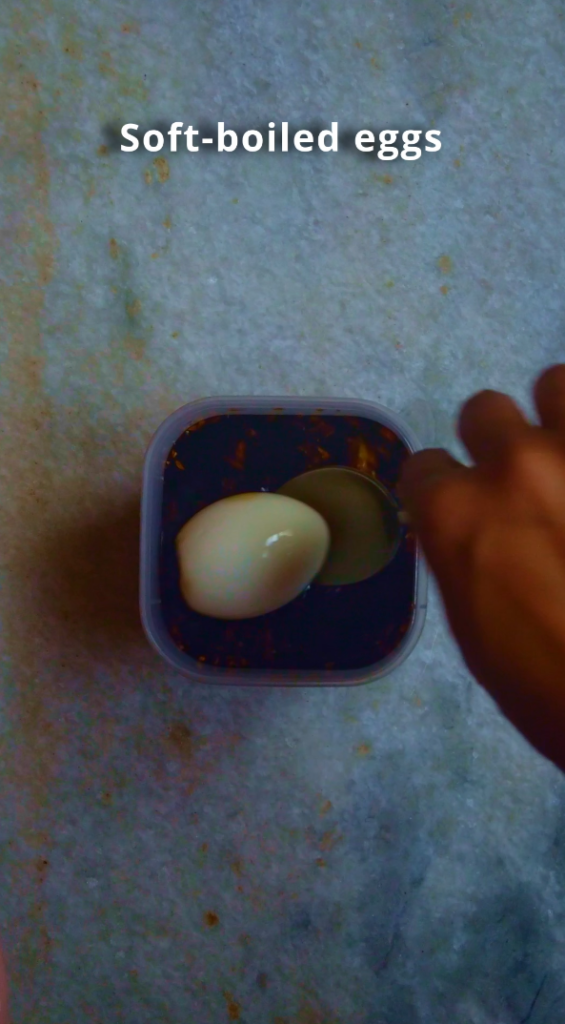
- Step 7: Let the eggs marinade for 8-12 hour, or even up to 24 hours. Remove the eggs from the marinade and place them in a separate airtight container. These can be stored in the fridge for up to 5 days.


- Step 8: To serve, remove the eggs from the marinade and cut them in lengthwise. Serve with ramen or enjoy as a savoury snack. Enjoy!!
About Me

DEBJANI MONDAL
Welcome to Kitchenstagram, the home of delicious recipes, culinary inspiration and cooking adventures. I’m Debjani and I’m thrilled to be your guide through the wonderful world of food. I’m a self-taught professional baker, home chef, recipe developer, author of Kitchenstagram and an aspiring YouTuber.
My passion for food and cooking began at a very young age, when I would watch my mom and dad cook for me and my brother. My dad, in particular is a great cook whose culinary skills made a lasting impression on me. My dad would cook up a storm on special occasions by cooking variety of dishes, from delicious biriyani to samosa, fish fry, rasgullas and kachoris (sweet & spicy deep fried pastry with filling of lentils, meat or fish…>>>>>
FOLLOW ME
My Latest Posts
- post 1
- post 2
- Step 7: To serve, in a glass add ice cubes, mango syrup, black salt, prepared masala, mix well. Then add ice cold water, mix well.