


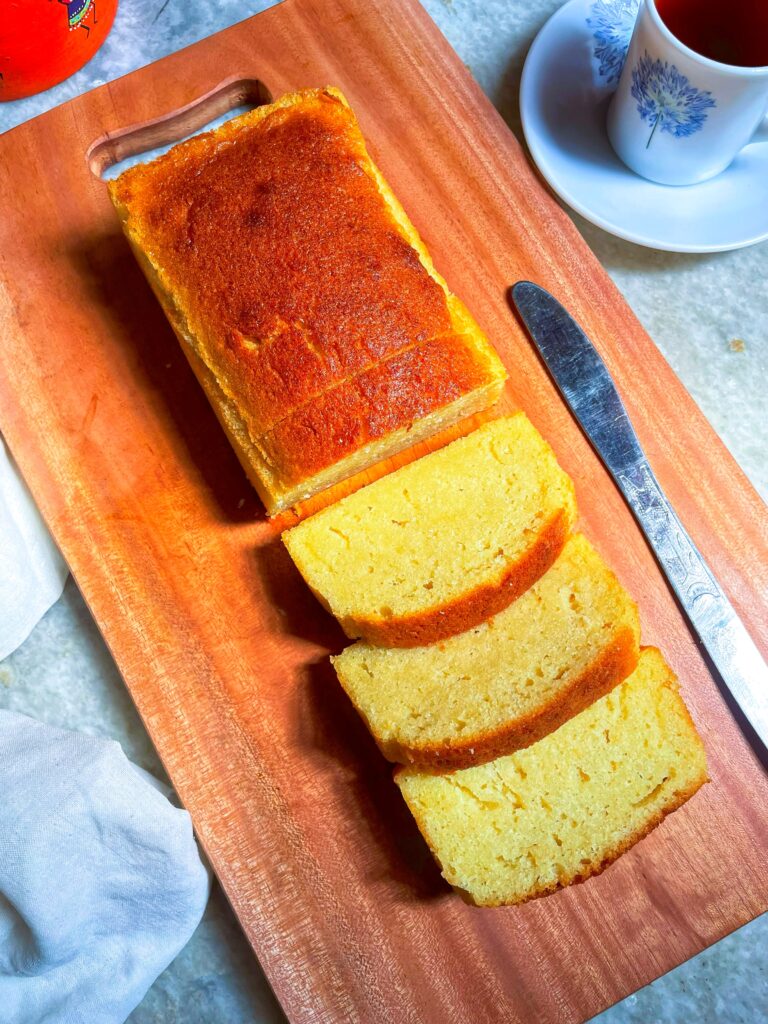
This classic Pound Cake is rich, buttery and wonderfully simple, made with just few everyday ingredients. Dense and substantial yet incredibly soft and tender, each slice has a moist, smooth crumb that practically melts in your mouth. The flavour is beautifully balanced- sweet without being overpowering- making it perfect for any time of day. Enjoy it on its own, pair it with fresh berries and whipped cream or serve it alongside your morning coffee, whether as a breakfast treat, afternoon snack, or dessert, this timeless cake is sure to leave you reaching for another slice.
What is Pound Cake?
Pound cake gets its name from the original recipe, which called for one pound each of butter, sugar, eggs and flour. This simple ratio made the cake easy to remember and give rise to the classic name.
Why you’ll love this recipe?
Made with simple, perfectly balanced ingredients, making this pound cake easy and beginner friendly.
Creates a tender, moist and velvety crumb with no gluey streaks.
Thoroughly tested with different substitution and this version delivers the best results.
Ideal for holidays, celebrations and everyday occasions, this classic buttery pound cake always earns rave reviews and disappears quickly.
Ingredients needed for Pound Cake:
One of the best things about Pound cake is that it relies on simple pantry staples. With just a handful of everyday ingredients, you can create a rich, buttery cake with a soft, tender crumb whenever the craving strikes.
All-Purpose Flour: All-Purpose flour provides the structure for the cake while keeping the crumb soft and tender. For the best results, fluff the flour before measuring, then spoon it into the measuring cup and level it off to avoid adding too much.
Butter: Butter is a foundation o a classic pound cake, giving it richness, moisture and flavour. Be sure to use room-temperature butter- it should be soft enough that your finger leaves a slight dent when pressed, but not so soft that it feels greasy or oily. Room-temperate butter creams much better than cold butter, creating a lighter texture. Unsalted butter is preferred so you can control the salt level in the recipe.
Sugar: Sugar sweetens the cake and helps create a soft, tender texture. While white sugar is traditional choice, brown sugar can also be used for a deeper flavour, especially during the fall season.
Eggs: Eggs play a major role in the structure and ise of pound cake. Since the recipe uses a small amount of baking powder, much of the lift comes from properly beaten eggs. As they are mixed into the batter, eggs create a air bubbles that expand during baking, helping the cake rise. They also contribute moisture and richness. For bet results, use room-temperature eggs so they blend smoothly into the batter and aerate properly.
Milk: Although not every pound cake recipe includes milk, it adds valuable moisture and makes the batter more forgiving. Milk also helps lighten the texture slightly, preventing the cake from becoming overly dense while still maintaining its classic character.
Baking powder: Traditional pound cakes often contain no leavening, but also a small amount of baking powder helps create a lighter crumb. Without it, the cake can become extremely dense or even seem under baked if not mixed correctly. Think of baking powder as a little extra insurance, it provides just enough lift while preserving the signature dense, buttery texture of pound cake.
Salt: A small amount of salt is essential in sweet baked goods. It balances the sweetness, enhances flavour and brings out the richness of the other ingredients. You should not taste the salt itself, its purpose is simply to make the flavour shine.
Vanilla: Vanilla adds warmth to the cake. The better the vanilla, the better the final flavour of the cake.
Serving Suggestions:
Pound cake is wonderfully versatile and pairs beautifully with a variety of toppings and accompaniments. While it’s perfectly delicious on its own- especially chilled straight from the refrigerator- it also serves as an excellent base for creating memorable desserts.
A light dusting of powdered sugar or icing sugar for a simple, classic finish.
Fresh fruit and a dollop of whipped cream for a refreshing and elegant combination.
A drizzle of vanilla glaze to add extra sweetness and flavour.
Cubed pound cake layered with fruit, whipped cream for a refreshing and elegant combination.
Clotted cream and lemon curd for a sophisticated afternoon tea treat.
Mascarpone, crème fraîche or thick yogurt as a rich alternative to whipped cream.
Butter topped with honey, jam or fruit compote for a comforting and flavourful serving option.
A scoop of ice cream served alongside warm pound cake, optionally finished with a drizzle of chocolate sauce for an irresistible dessert.
Storage tips:
Refrigeration: To keep your pound cake fresh, cover it tightly, wrap it well in plastic wrap, or place it in an airtight container. Store in the refrigerator for up to 5 days.
Freezing: This cake freezes exceptionally well for up to 3 months. For a whole cake, wrap it securely in plastic wrap, then add a layer of aluminium foil before freezing. You can also freeze individual slices, making it easy to enjoy a piece whenever the craving strikes. Simply wrap each slice separately in plastic wrap and place them in a freezer safe bag. When ready to serve, allow the cake to thaw naturally and come to room temperature. Avoid using a microwave or oven to thaw frozen pound cake, as this can case it to dry out.
Pro Tips:
You can either grease and flour the loaf pan or line it with a parchment paper . Both method works beautifully.
Pond cake is dense and thick, instead of toothpick use a long wooden skewer to check doneness of the cake. Remove the cake when the skewer comes out with a few moist crumbs attached, as the cake will continue cooking slightly while cooling.
Over mixing the batter can develop too much gluten, resulting in a tough, rubbery texture rather than a tender crumb.
Use room-temperature ingredients for better result.
Raising the oven temperature may seen like a shortcut, but it can cause the outside of the cake to brown or burn before the center is fully baked. Low and steady baking ensures even results.
Ingredients
1 cup All-purpose Flour
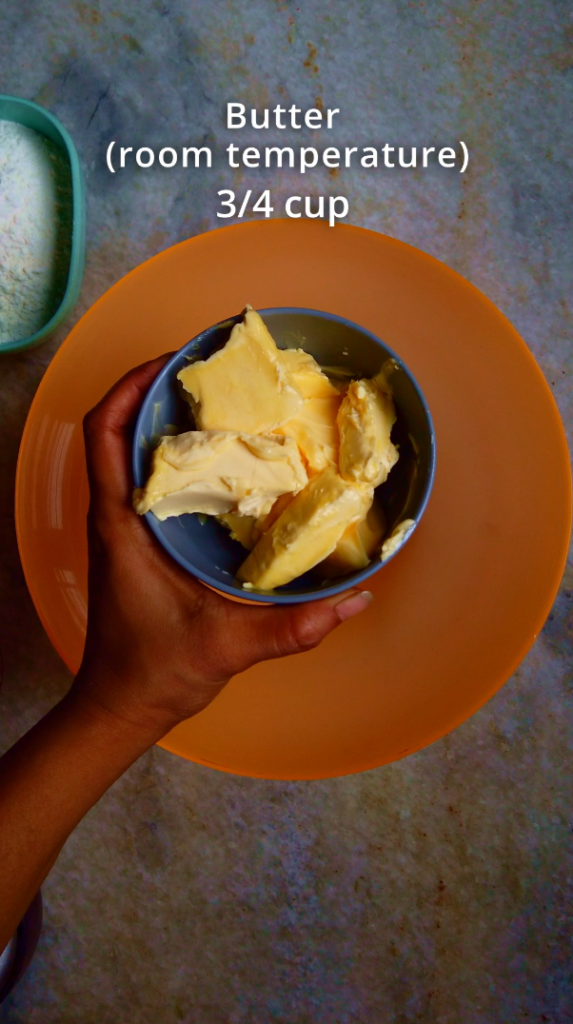
3/4 cup Butter, room temperature
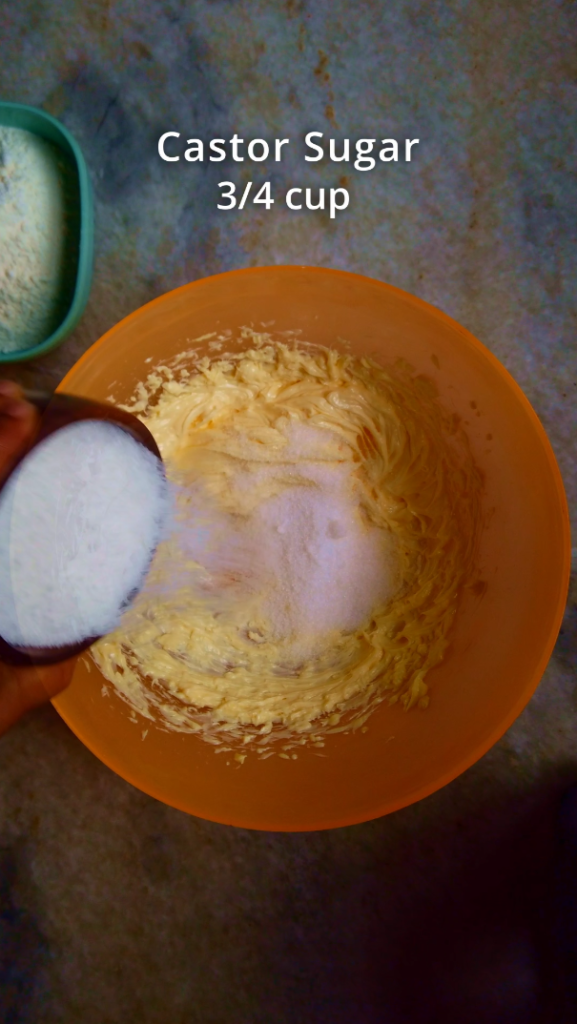
3/4 cup Castor Sugar
3 nos. Egg
2-3 tbsp Milk
2 tsp Vanilla extract
3/4 tsp Baking powder
1/4 tsp Salt
Preparation
- Step 1: Preheat the oven to 180°C. Grease your loaf pan and line with parchment paper.
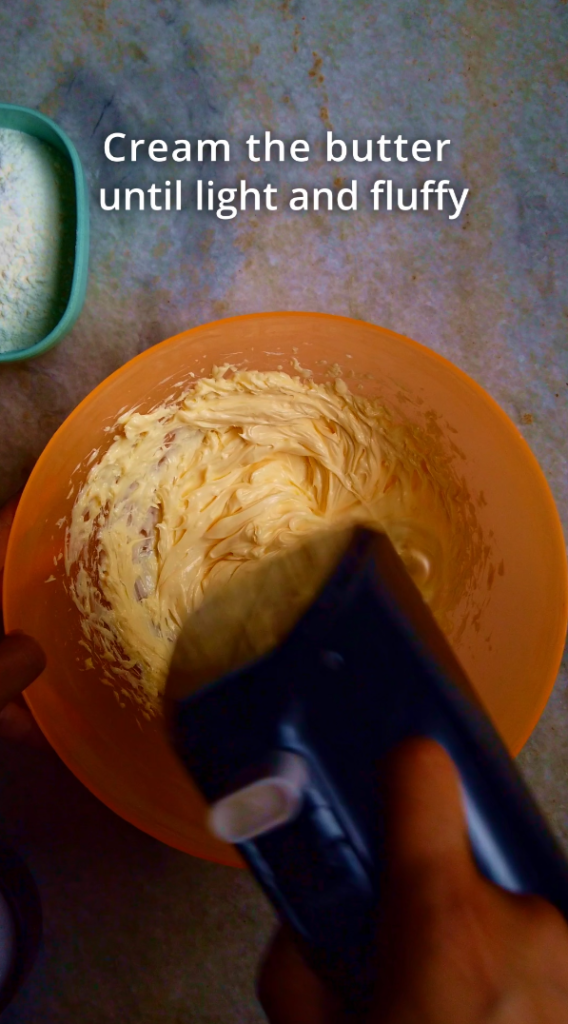
- Step 2: In a large mixing bowl, add softened butter and cream the butter on high speed for 2-3 minutes, until light and fluffy.
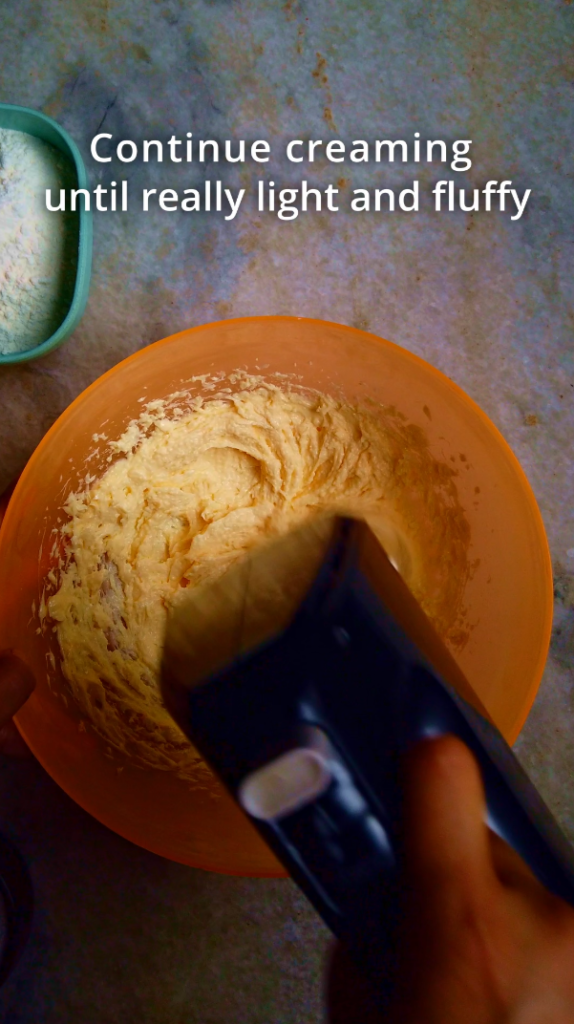
- Step 3: Gradually, add in the castor sugar and continue creaming until really light and fluffy.
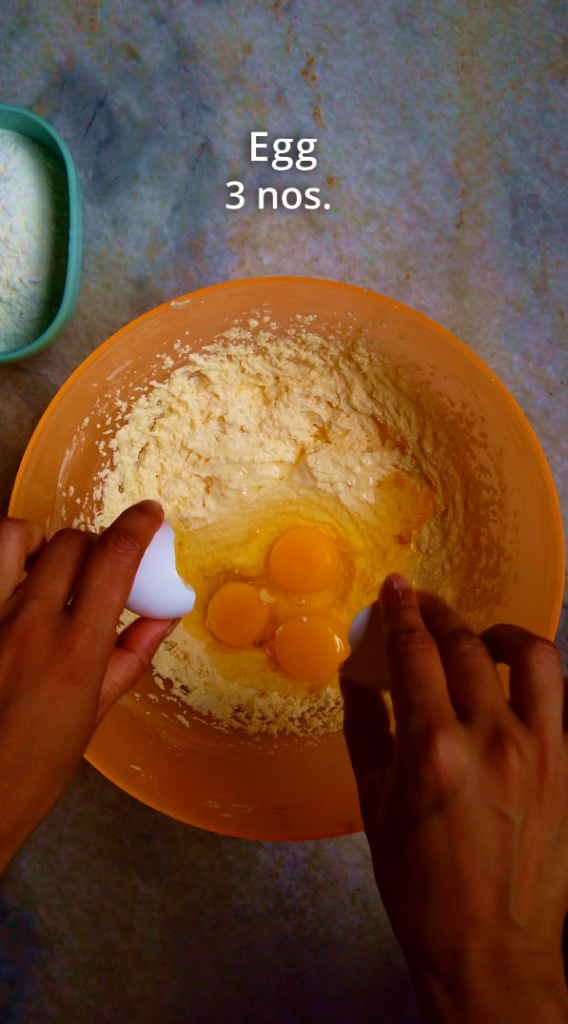
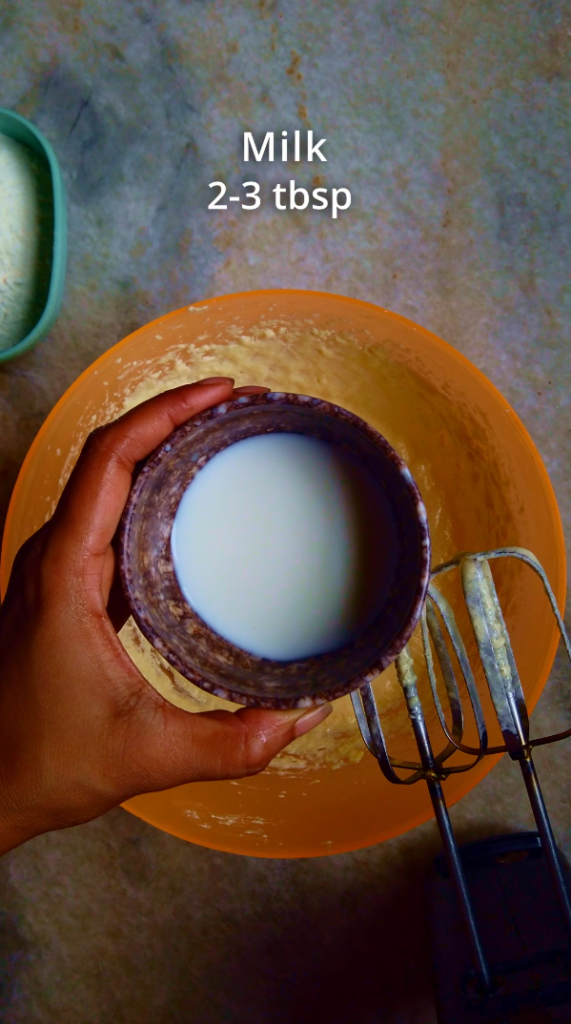
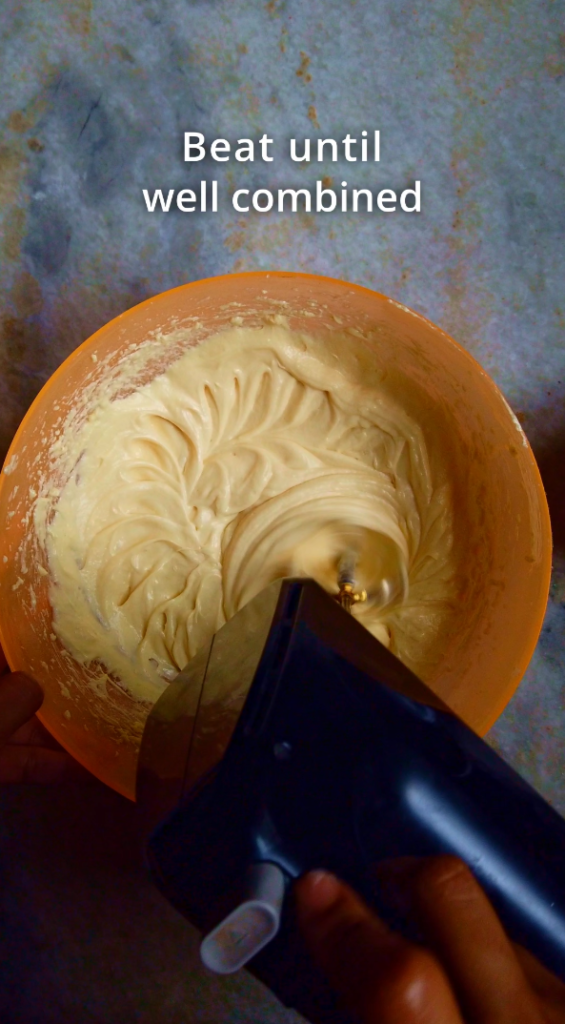
- Step 4: Next beat in the eggs. Scrape the bowl down and beat until fully incorporated. Add the milk and vanilla. Mix until incorporated. Scrape the bowl down.
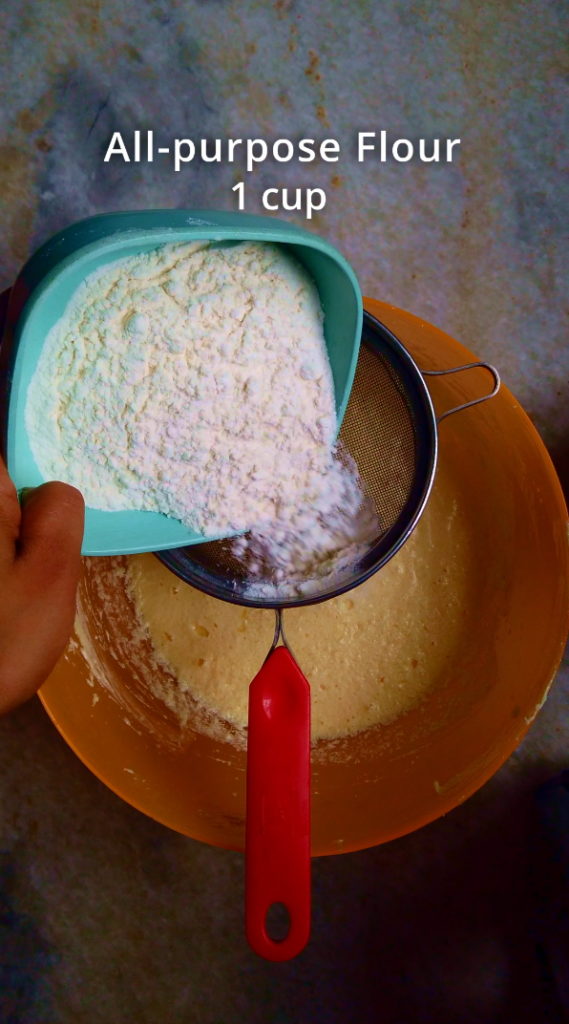
- Step 5: Sift flour, baking soda and salt in the mixing bowl, mix on low until combined. Scrape the bowl down and use your spatula to mix in any pockets of flour or butter that remain.
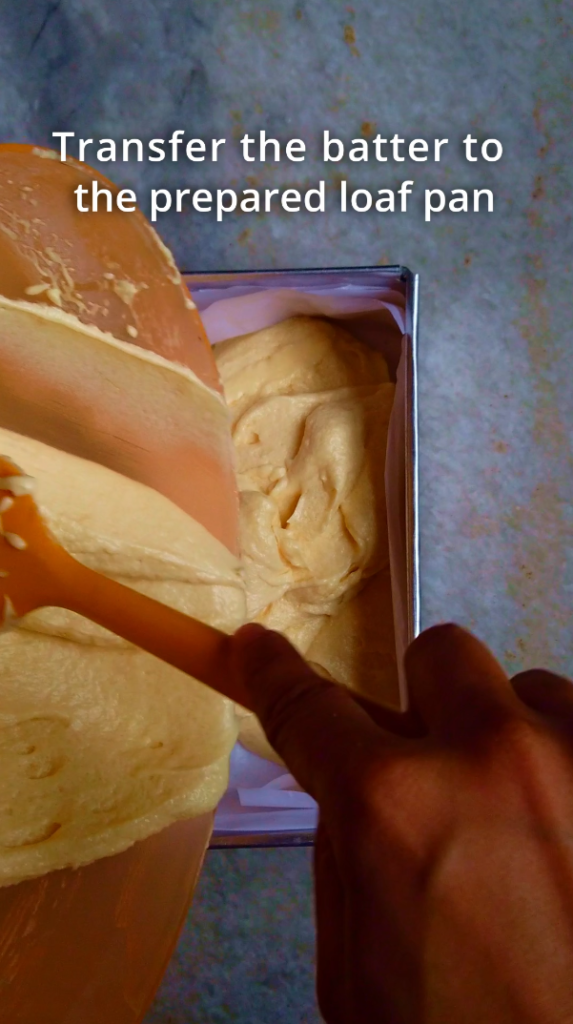
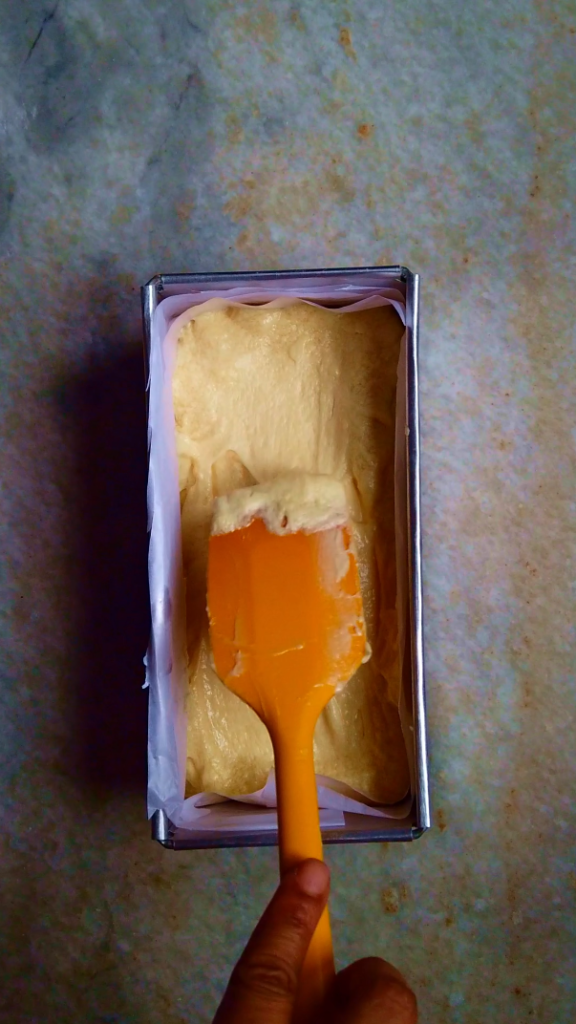
- Step 6: Transfer the batter to the prepared loaf pan, then smooth it into an even layer.
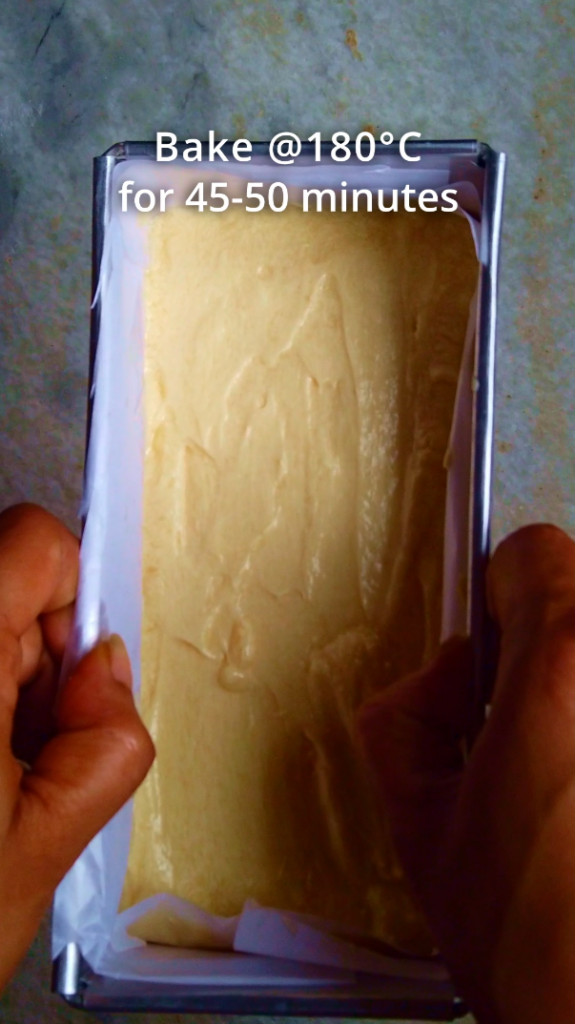
- Step 7: Bake for 45-50 minutes or until a toothpick inserted in the center comes out clean.
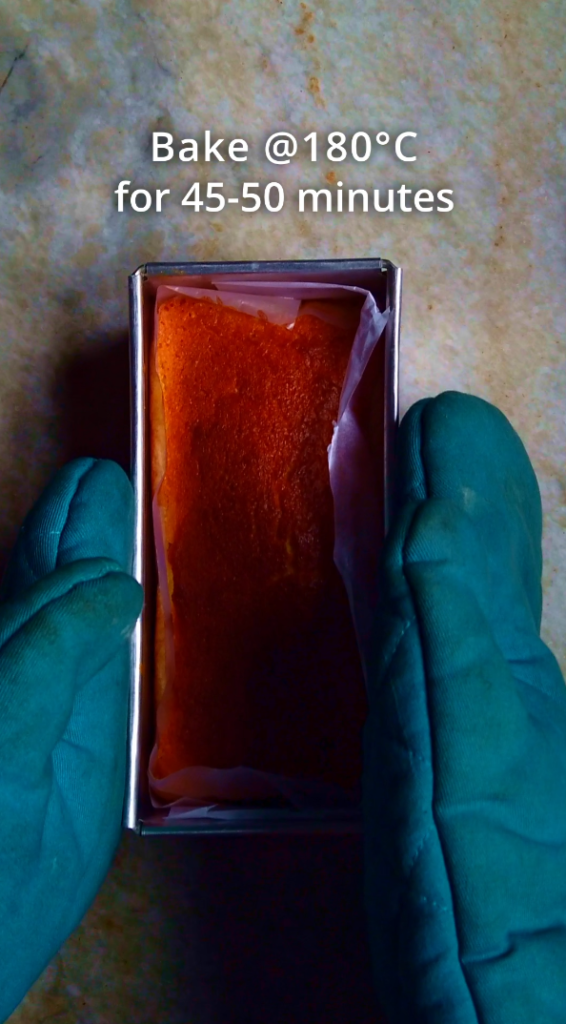
- Step 8: Let the baked cake cool in the pan for at least 15 minutes and then transfer to a wire rack and let it cool for an hour or until it’s room temperature.
- Step 9: Serve the thick slices of the cake warm or at room temperature with tea or coffee. Enjoy!!
About Me

DEBJANI MONDAL
Welcome to Kitchenstagram, the home of delicious recipes, culinary inspiration and cooking adventures. I’m Debjani and I’m thrilled to be your guide through the wonderful world of food. I’m a self-taught professional baker, home chef, recipe developer, author of Kitchenstagram and an aspiring YouTuber.
My passion for food and cooking began at a very young age, when I would watch my mom and dad cook for me and my brother. My dad, in particular is a great cook whose culinary skills made a lasting impression on me. My dad would cook up a storm on special occasions by cooking variety of dishes, from delicious biriyani to samosa, fish fry, rasgullas and kachoris (sweet & spicy deep fried pastry with filling of lentils, meat or fish…>>>>>
FOLLOW ME
My Latest Posts
- post 1
- post 2