

Muri Ghonto Recipe | Bengali Fish Head Pulao | Kitchenstagram
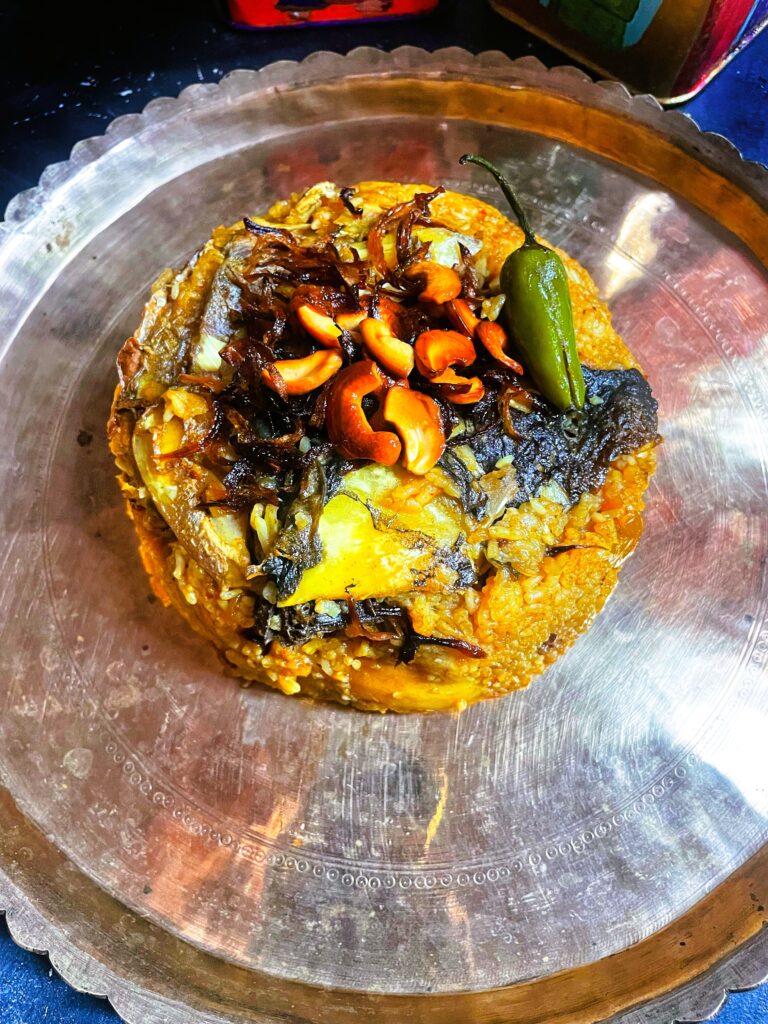
Muri Ghonto stands as one of the most distinctive preparations in Bengali cuisine, reflecting a deep-rooted culinary philosophy of resourcefulness, flavour of layering and cultural exchange. Known for its use of fish head as a centerpiece, the dish transforms what might otherwise be overlooked into something rich, aromatic and deeply satisfying. Over generations, it has evolved into a preparation that is both homely and celebratory, carrying with it stories of geography, trade and tradition.
The name itself reveals much about the dish. “Muri” comes from “muro,” referring to the fish head, while “ghonto” describes a style of cooking where ingredients are brought together and slowly combined into a cohesive, textured whole. This technique is central to many Bengali dishes, where balance and gradual integration of flavours matter more than sharp contrasts. In muri ghonto, the fish head is first treated to develop depth and then combined with rice and spices to create a dish that is neither fully dry nor overly liquid, but somewhere comfortably in between.
Historically, the origins of muri ghonto can be traced back to eastern India’s coastal and riverine regions, where fish has always been central to daily life. In earlier times, fishing communities and traders often relied on simple, nourishing meals that could be prepared quickly using available resources. Fish head and tails, rich in flavour, were commonly used to make broths or stews.
As trade flourished across the Bay of Bengal, culinary ideas began to travel along with goods. Ports in Eastern India connected with regions across Southeast Asia, allowing for an exchange not just of spices and textiles, but also cooking cooking techniques and flavour preferences. Over time, these influences shaped local dishes, including muri ghonto, which gradually became more complex and layered. The addition of aromatic elements and structured cooking methods turned a simple preparation into something more refined.
With the passage of time, the dish found its way into more formal settings. What was once associated with modest everyday cooking began to appear in festive spreads and ceremonial meals. This transition reflects a broader pattern in food history, where dishes born out of necessity are elevated through technique and presentation. In Bengali households, muri ghonto today often appear during special occasions, particularly weddings and elaborated family feasts or Poila Baishak, Bengali New Year. Serving muri ghonto signifies abundance and respect for tradition, as it requires both skill and patience to prepare properly.
One of the defining characteristics of muri ghonto is its adaptability. As it moved across regions, local ingredients and preferences shaped its form. In Bengal, the inclusion of fragrant rice varieties gave the dish richer, more structured body, allowing it to absorb and carry the flavours of the fish and spices. In neighbouring regions, lentils or vegetables were incorporated, creating variations that were equally rooted in the same foundational idea but distinct in taste and texture.
Despite these differences, the essence of the dish remains consistent. It celebrates the idea of suing every part of an ingredient thoughtfully, minimizing waste while maximizing flavour. The fish head, in particular, contributes a depth that is difficult to replicate with other cuts. Its richness permeates the entire preparation, giving the dish is signature character.
Muri ghonto also highlights the Bengali affinity for fish in all its forms. Unlike cuisines that may discard certain parts, Bengali cooking often embraces them, finding unique ways to turn them into delicacies. This approach reflects both practically and a nuanced understanding to taste, where different textures and flavours are valued appreciated.
Today, muri ghonto continues to hold a special place in Bengali kitchens across both West Bengal and Bangladesh. Muri Ghonto beautifully reflects how one dish can evolve across regions while holding on to its core identity. In Bangladesh and West Bengal, the preparation begins with prized freshwater carp like rohu or Katla, where the fish head plays the central role.
In Bangladesh, the dish leans towards a hearty, spiced preparation where lentils form the backbone, giving it the character of a rich, comforting curry. In contrast, the West Bengal version transforms the same elements into something more fragrant and structured, where short-grain aromatic Gobindobhog rice absorbs the flavours, resulting in a dish closer to a layered rice preparation.
For many, muri ghonto is more than just a dish. It is a reminder of shared history, of riverbanks and bustling ports, of family gatherings and festive meals. Its journey from a humble, functional preparation to a celebrated celebrated classic mirrors the evolution of Bengali cuisine itself- deeply connected to its roots, yet open to change and influence.
Ingredients:
For Bhaja Moshla:
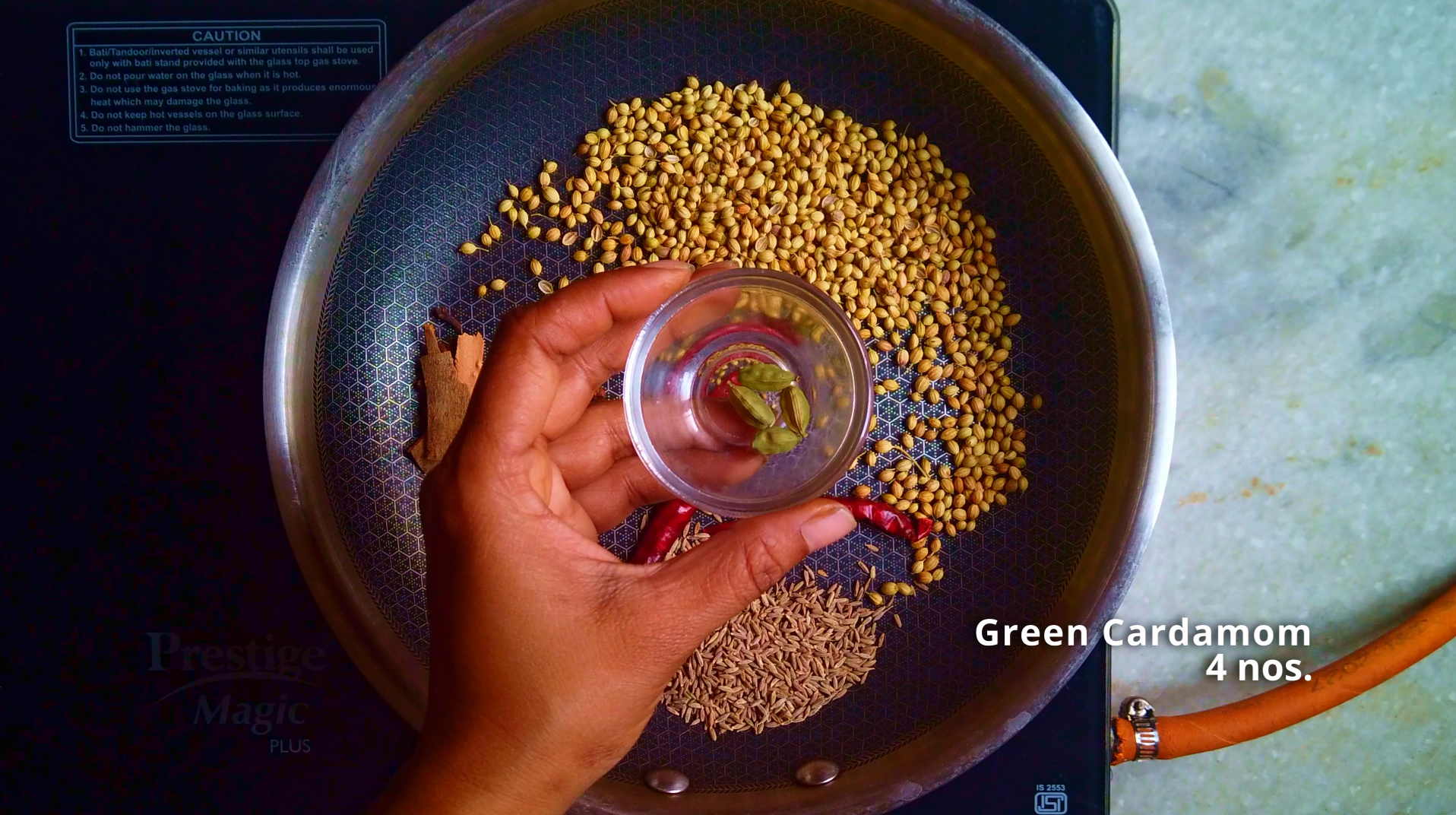
4 nos. Dry Red Chili
1/4 cup Coriander Seeds
1 tbsp Cumin seeds
8-10 nos. Clove
1 inch Cinnamon
4 nos. Green Cardamom
For Muri Ghonto:
500 gm Rohu Fish Head
500 gm Gobindobhog Rice, soaked & washed
3 heaped tbsp Ghee
1/2 cup Raisins
1/2 cup Cashew Nuts, broken
1 Lt Hot Water
3 tsp Turmeric Powder
Salt to taste
Juice of 1 Lime
1/2 cup Mustard Oil
8-10 nos. Baby Potato, peeled & washed
2 nos. Dry Red Chili
2 nos. Bay leaf
2 nos. Green Cardamom
8-10 nos. Clove
1 inch Cinnamon
2 nos. Onion, finely sliced
1 tbsp Ginger-Garlic Paste
1 tsp Red Chili Powder
1 tsp Kashmiri Chili Powder
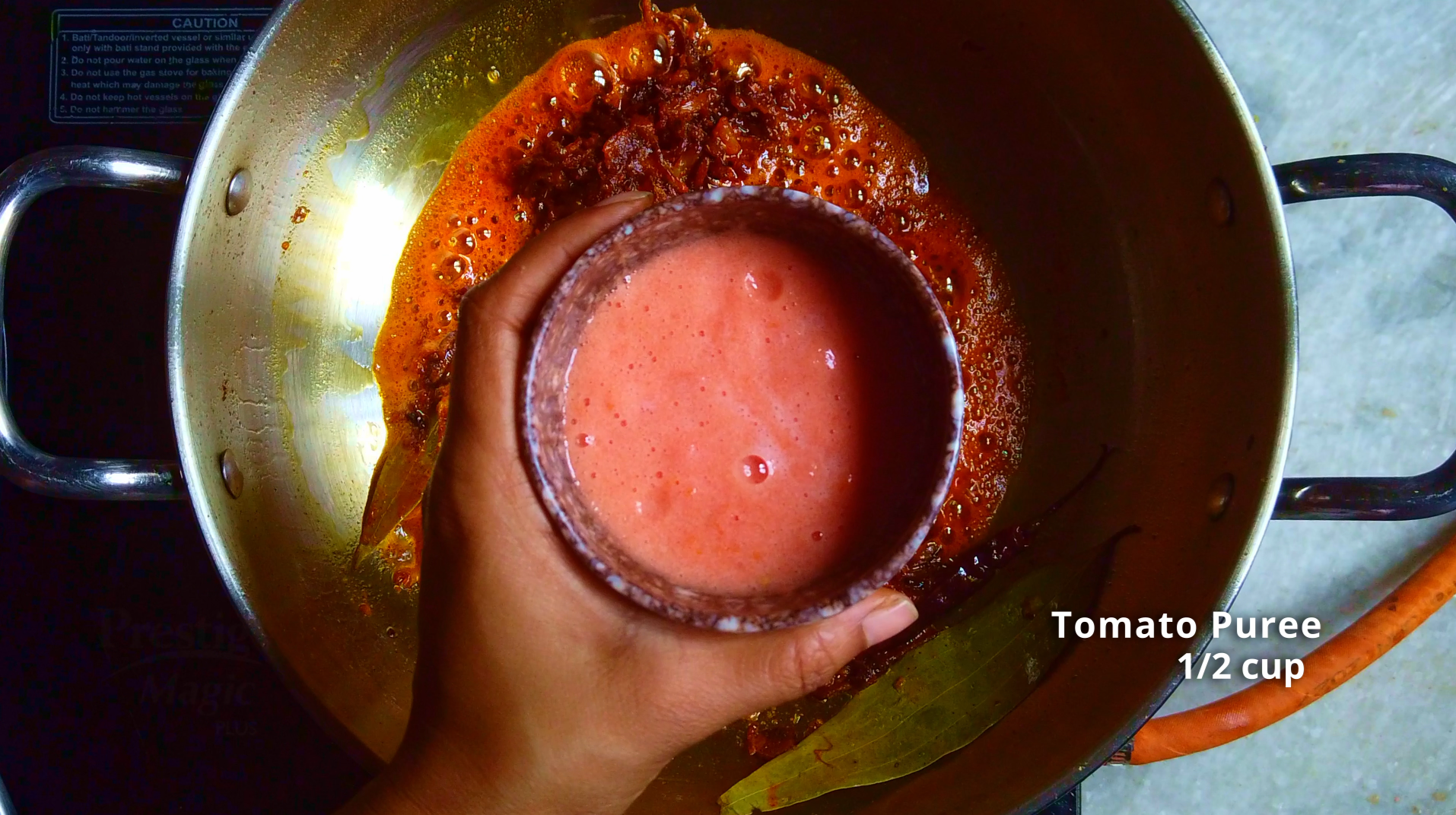
1/2 cup Tomato Puree
1 tbsp Sugar
2 tbsp Lemon leaves, ribbon (optional)
Prepared Bhaja Moshla
1 tsp Bengali Garam masala
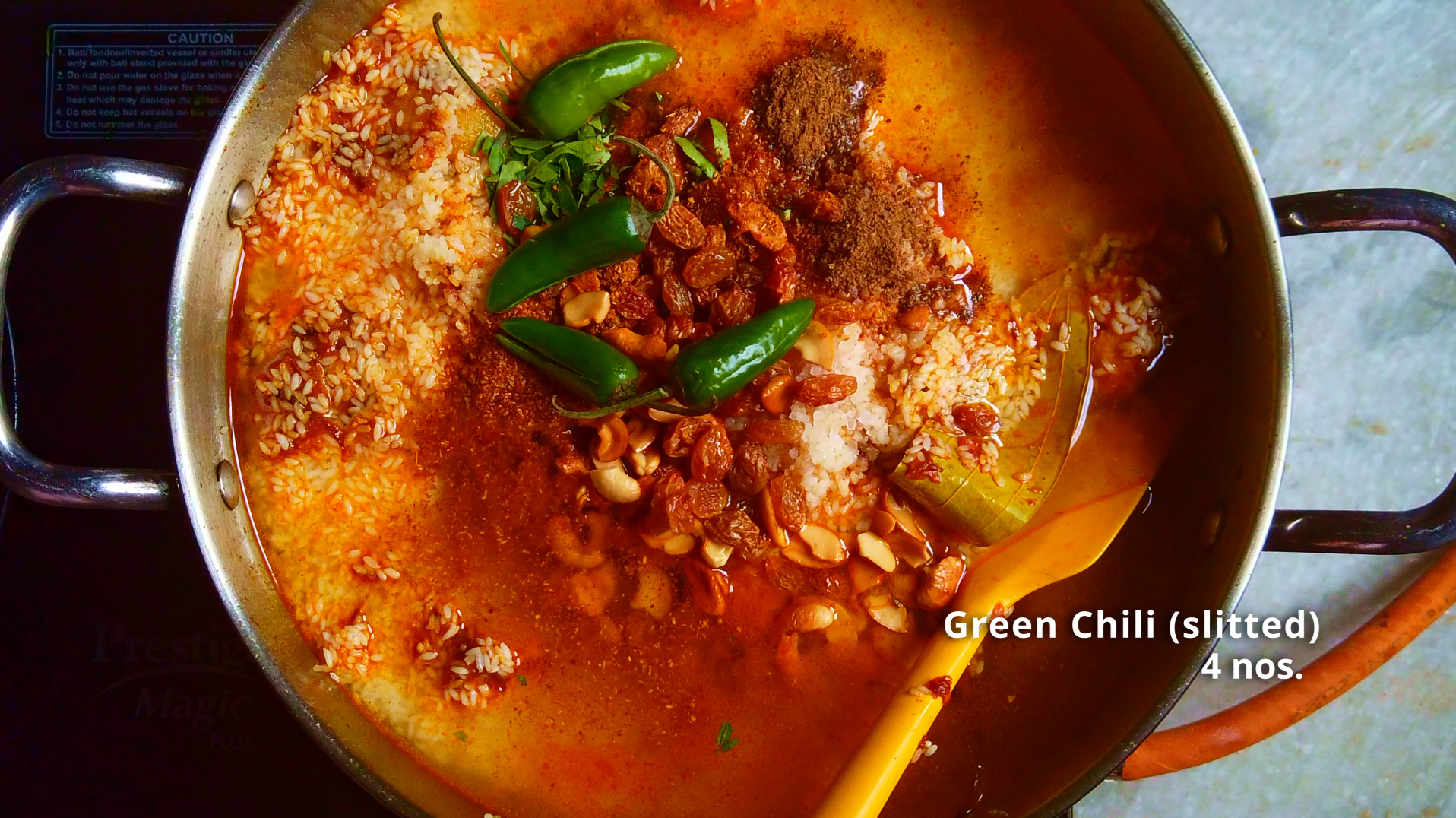
4 nos. Green Chili, slitted
Birista, optional
Fried Cashew Nuts, for garlish
Preparation:
For Bhaja Moshla:
- Step 1: Heat a heavy bottom frying pan on medium low heat and add the above mentioned spices to the pan. Dry roast the spices on low heat, stirring continuously, for about 5 minutes. At this point you should be able to smell the fragrance of the spices. Turn off the flame.
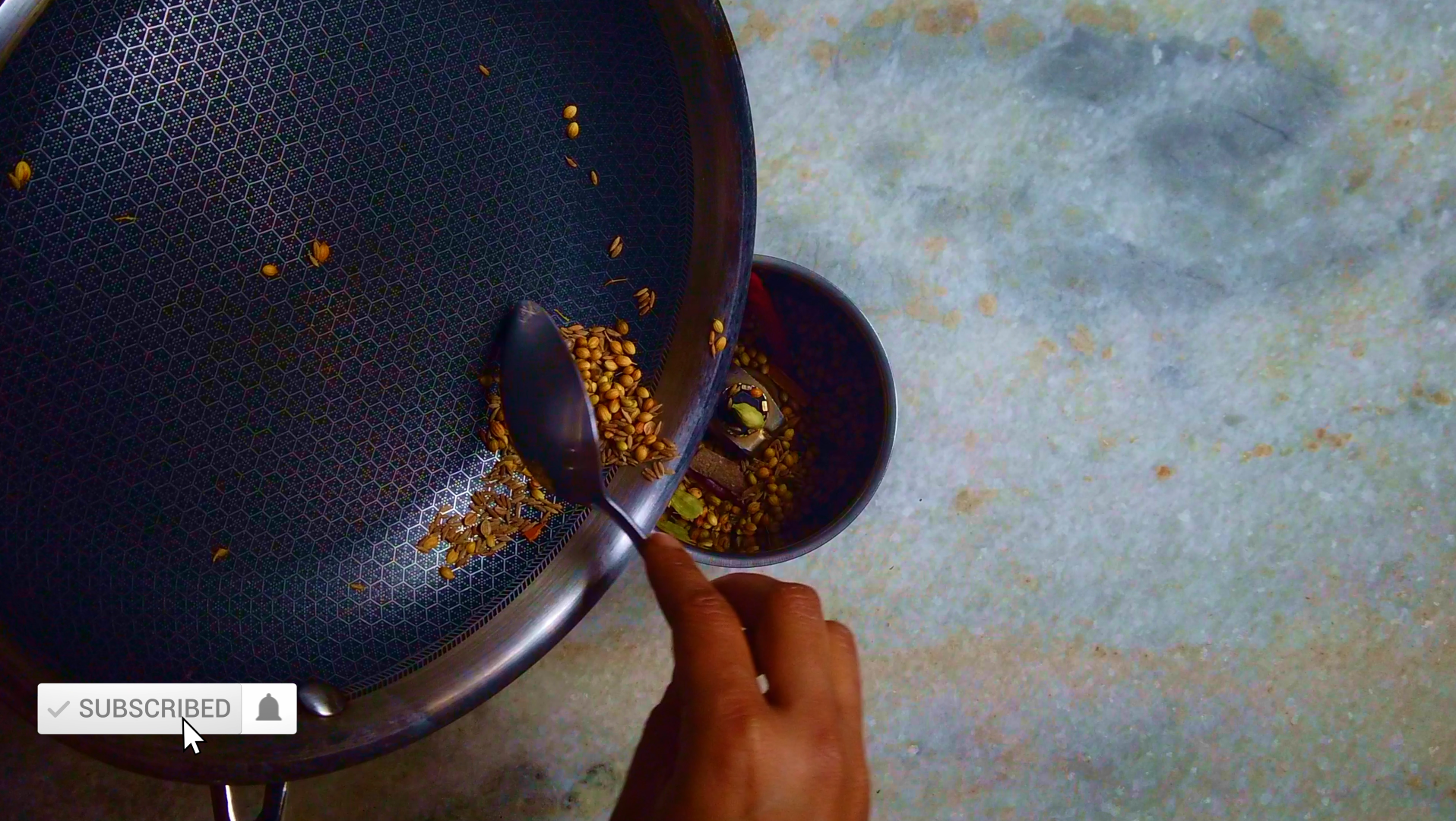
- Step 2: Allow the spices come to room temperature. Next transfer the toasted spices to a grinder and blitz them till you have a fine powder.
For Muri Ghonto:
- Step 3: Wash and clean the rice, soak in water for 30 minutes. After 30 minutes drain water and set aside the soaked rice.
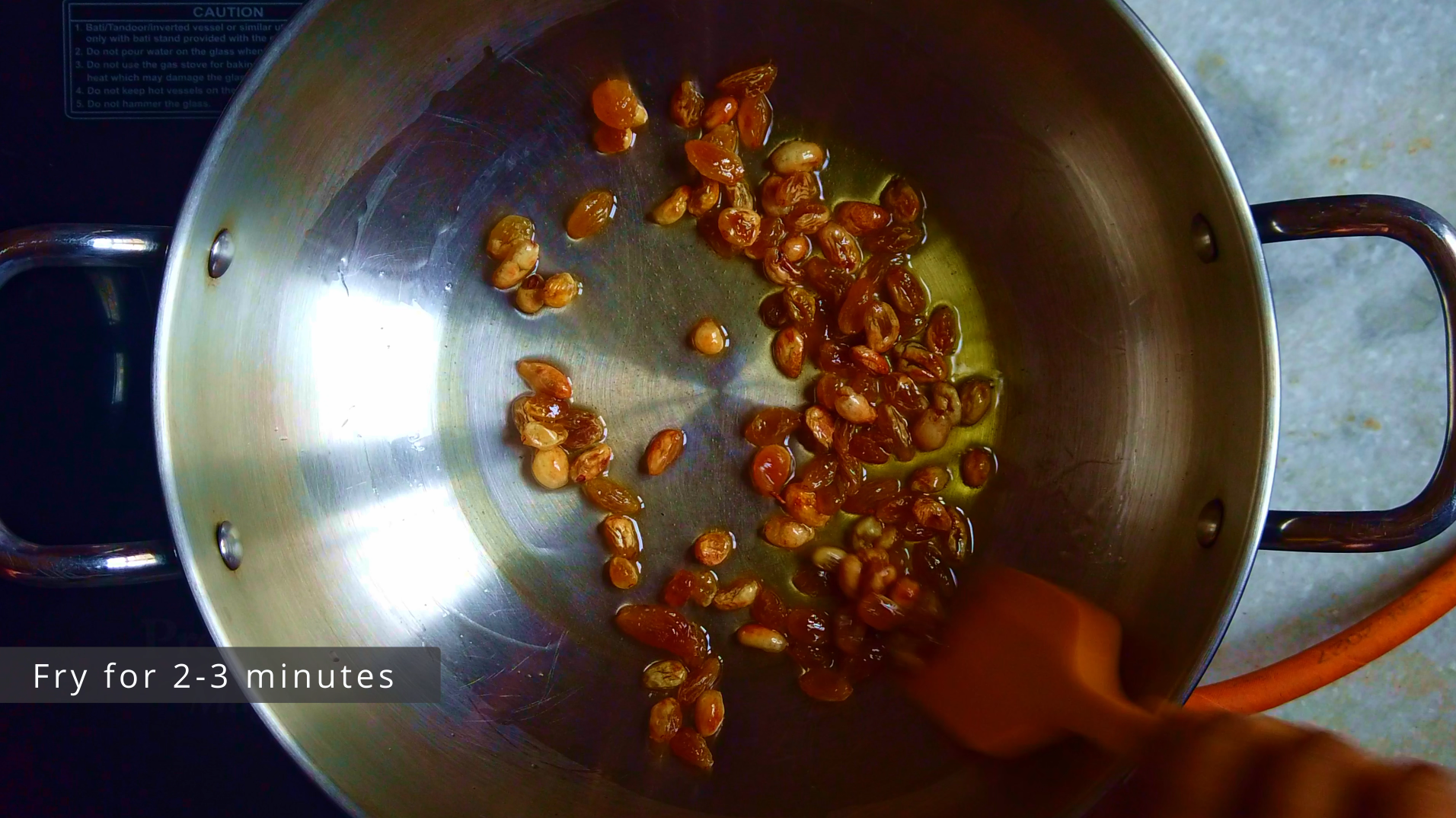
- Step 4: In a wok, add 1 heaped tbsp ghee and heat it. Add the raisins and fry for 2-3 minutes and keep aside.
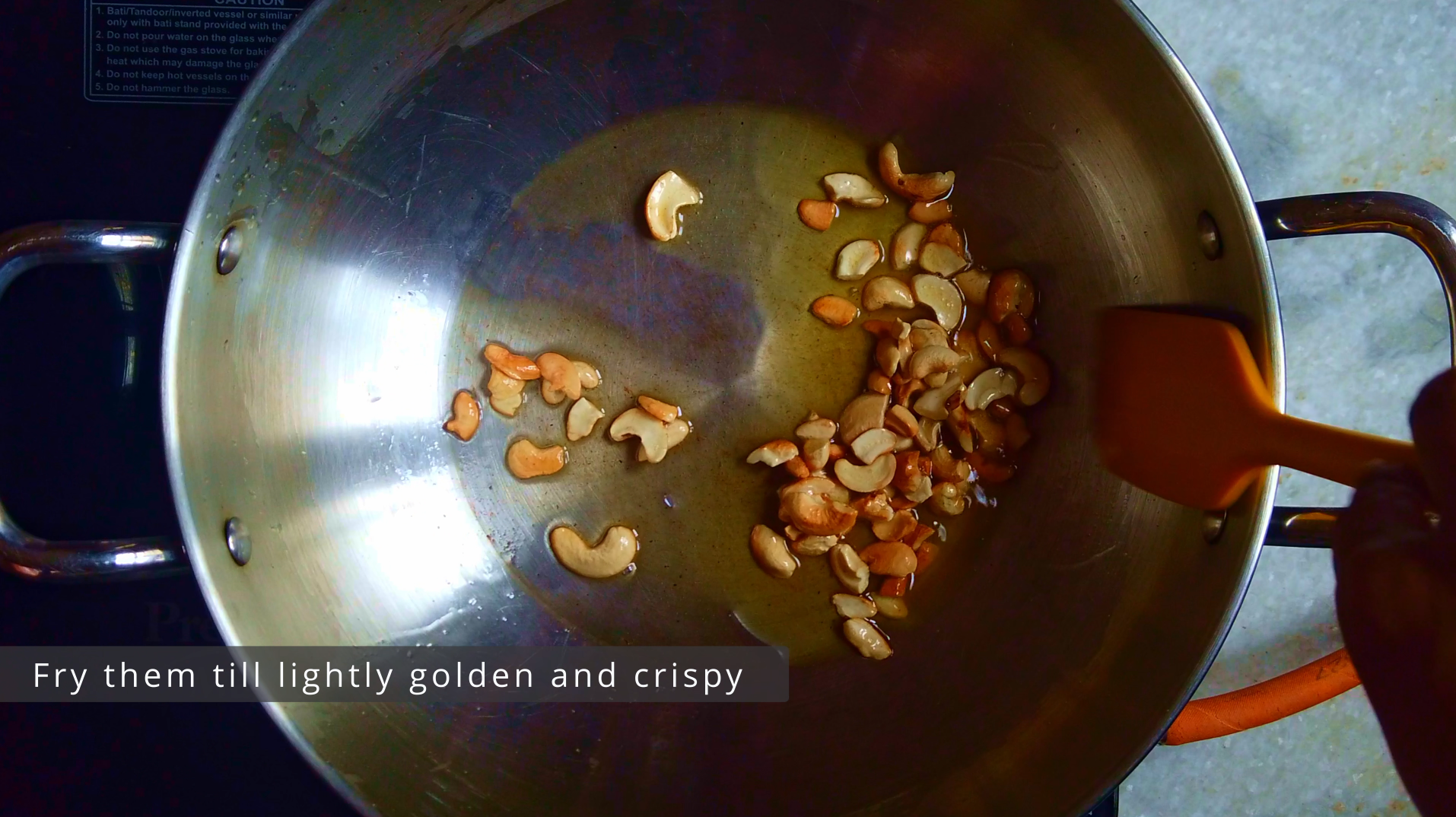
- Step 5: Then add the cashew nuts and fry them till lightly golden and crispy, remove to a plate.
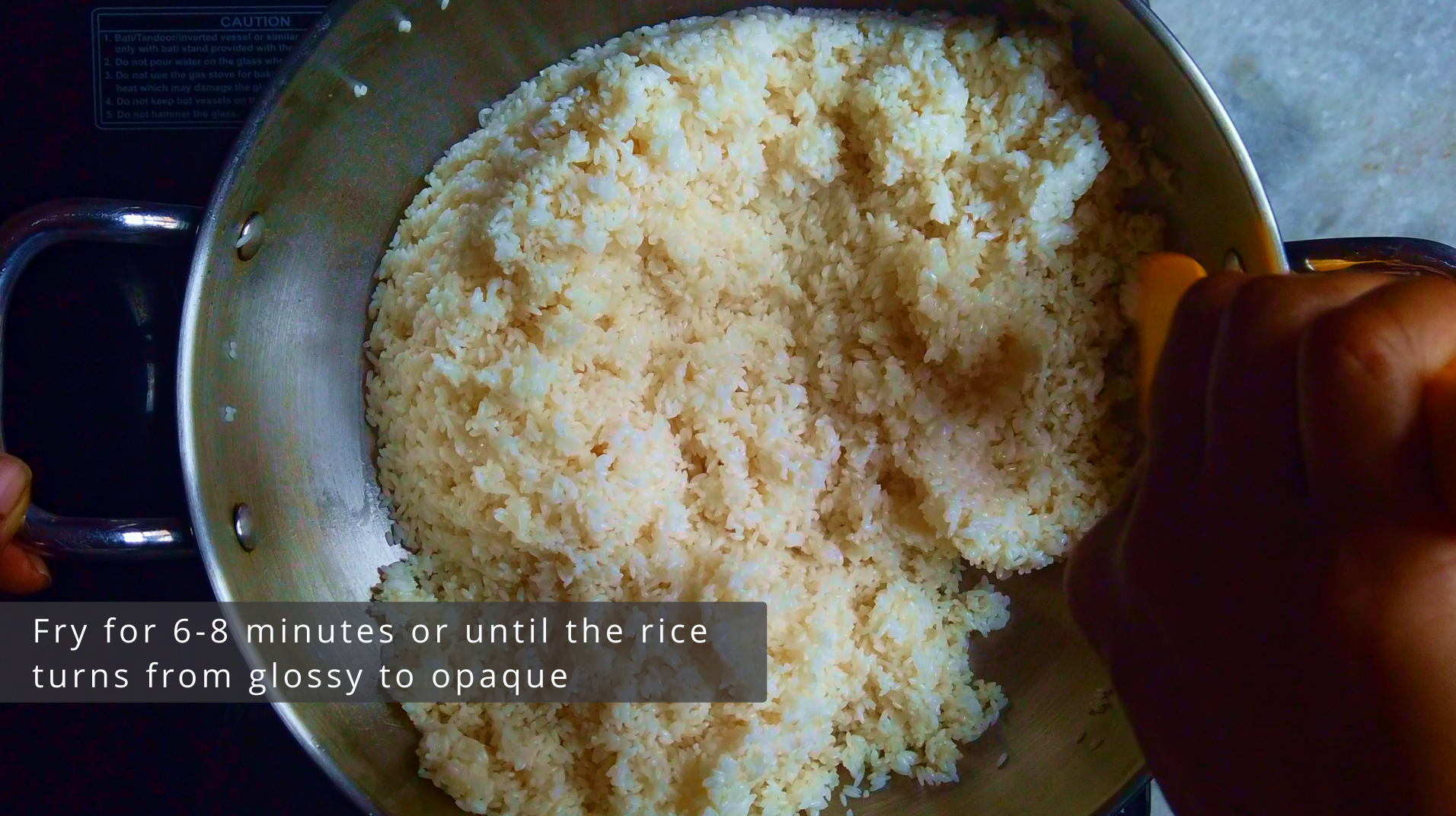
- Step 6: In the remaining ghee add the drained rice and fry, stirring constantly, for 6-8 minutes or until the rice turns from glossy to opaque. Frying the rice helps to break down the starch for a fluffier pulao and enhance the flavour. Once done frying, keep aside.
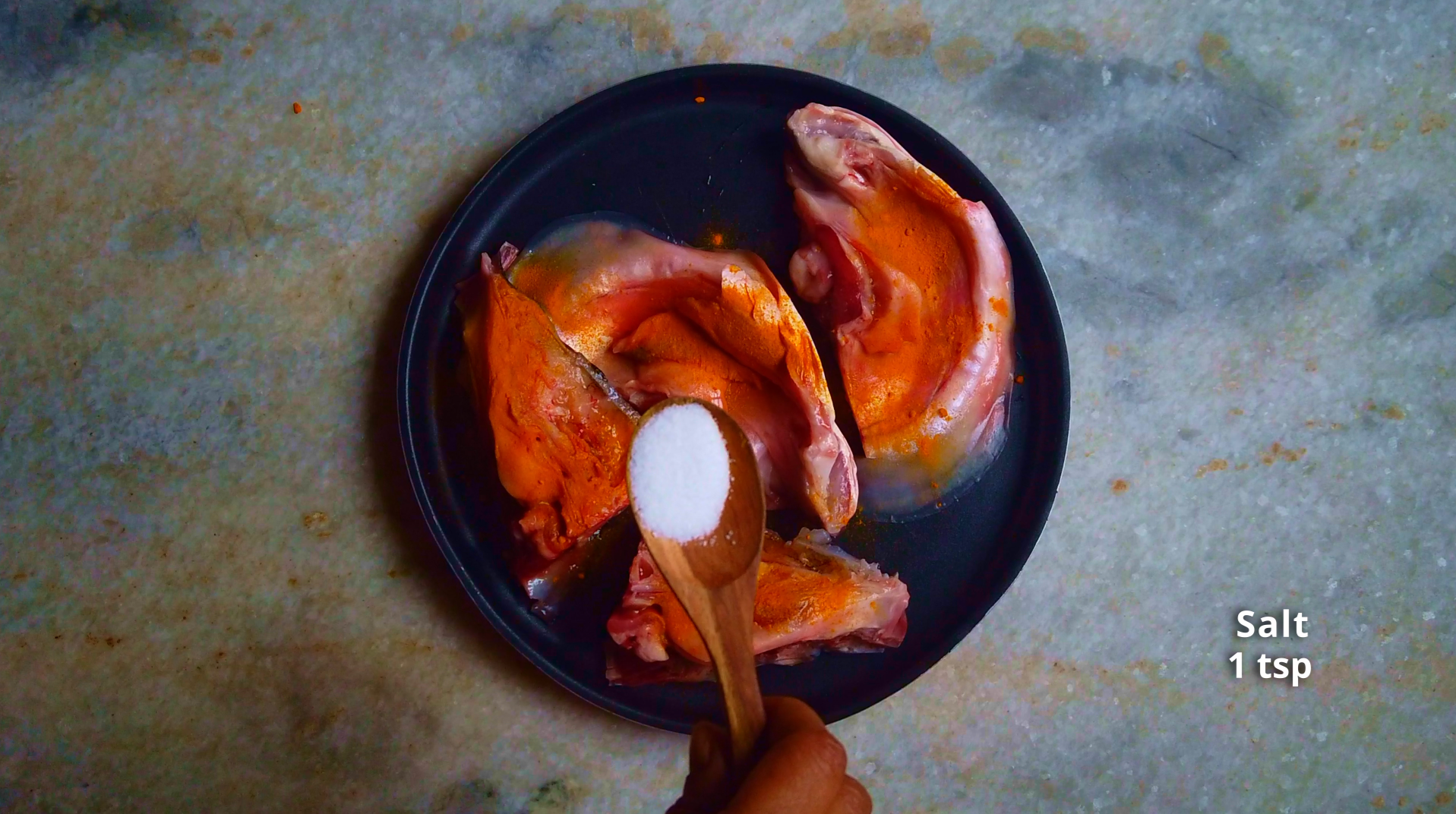
- Step 7: Marinate fish heads with 1 tsp turmeric, 1 tsp salt and lime juice and keep aside marinated fish heads for 8-10 minutes.
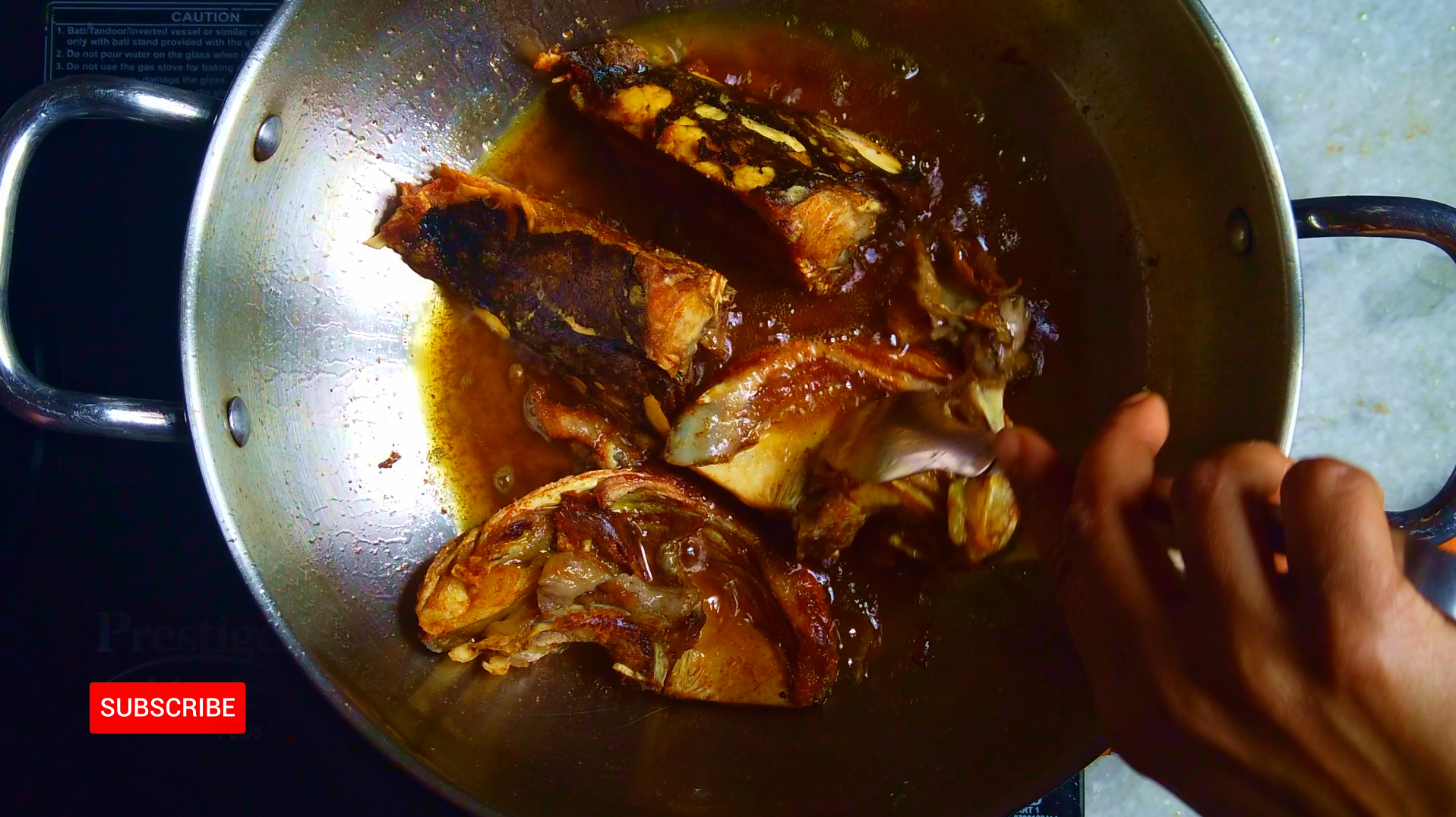
- Step 8: Heat oil in a wok and add a pinch of salt, wait for it to turn pale yellow and smokes gently. Once it smokes, lower the heat and wait for the smoke to subside and add the fish heads and fry each side till its golden brown. Once done remove the fish heads from the wok and keep aside.
- Step 9: Add the potatoes, 1 tsp turmeric powder and 1 tsp salt, fry until golden. Keep aside.
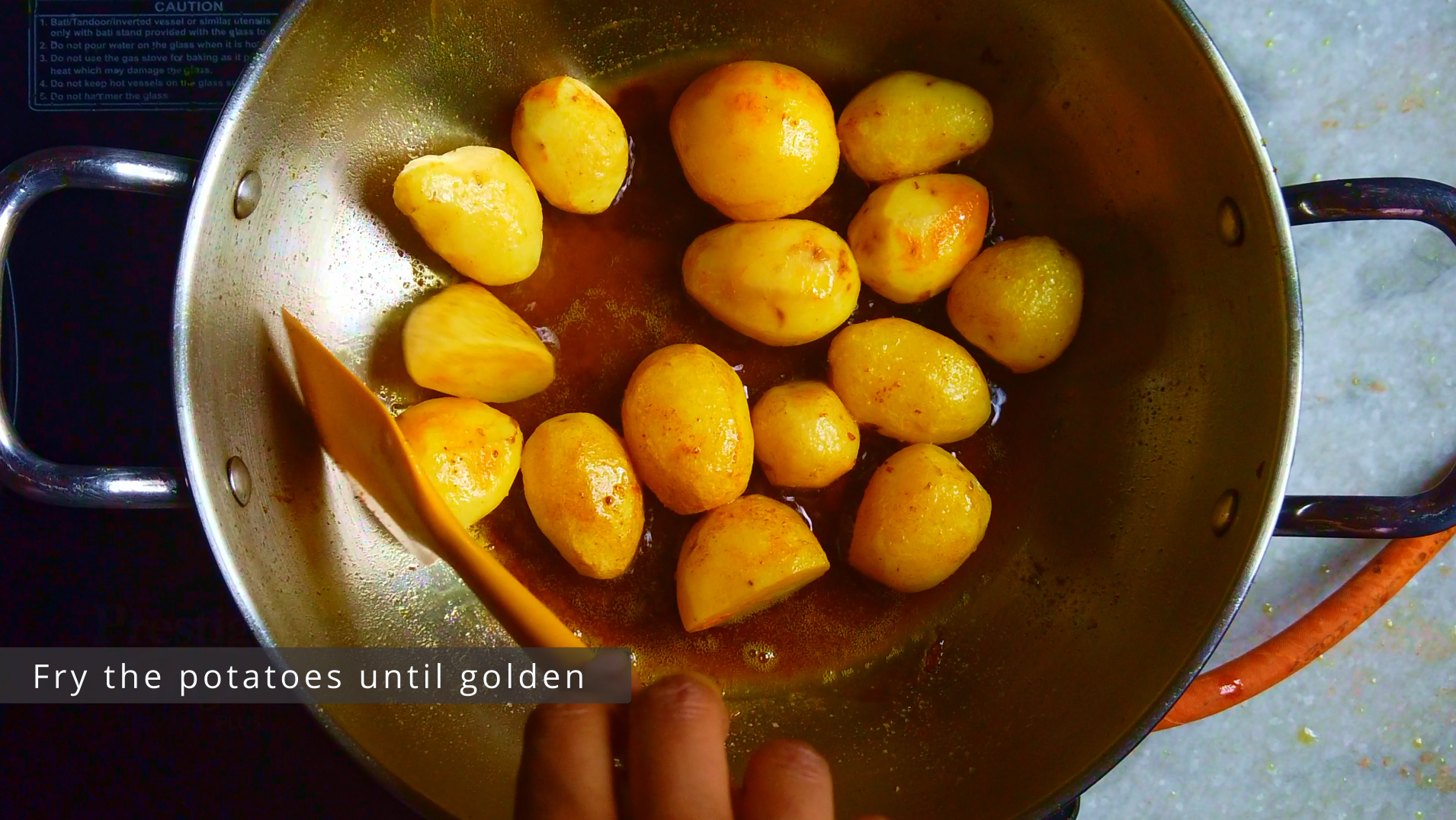
- Step 10: Next add 1 tbsp ghee and dry red chili, bay leaves, Green Cardamom, Clove, Cinnamon and allow them to crackle.
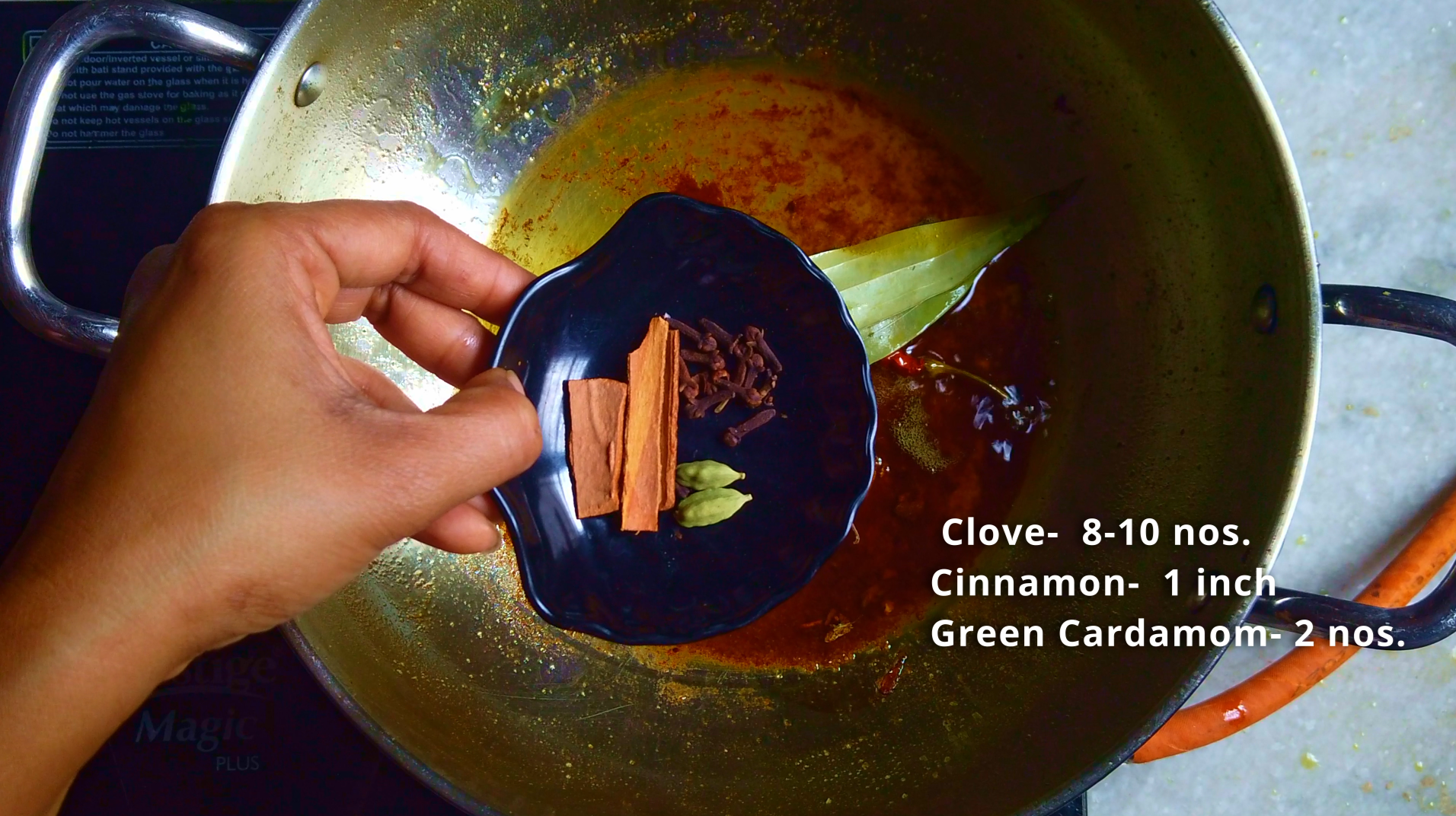
- Step 11: Add the finely chopped onions and fry for 8-10 minutes or until golden brown. Add ginger-garlic paste, sauté for 2-3 minutes.
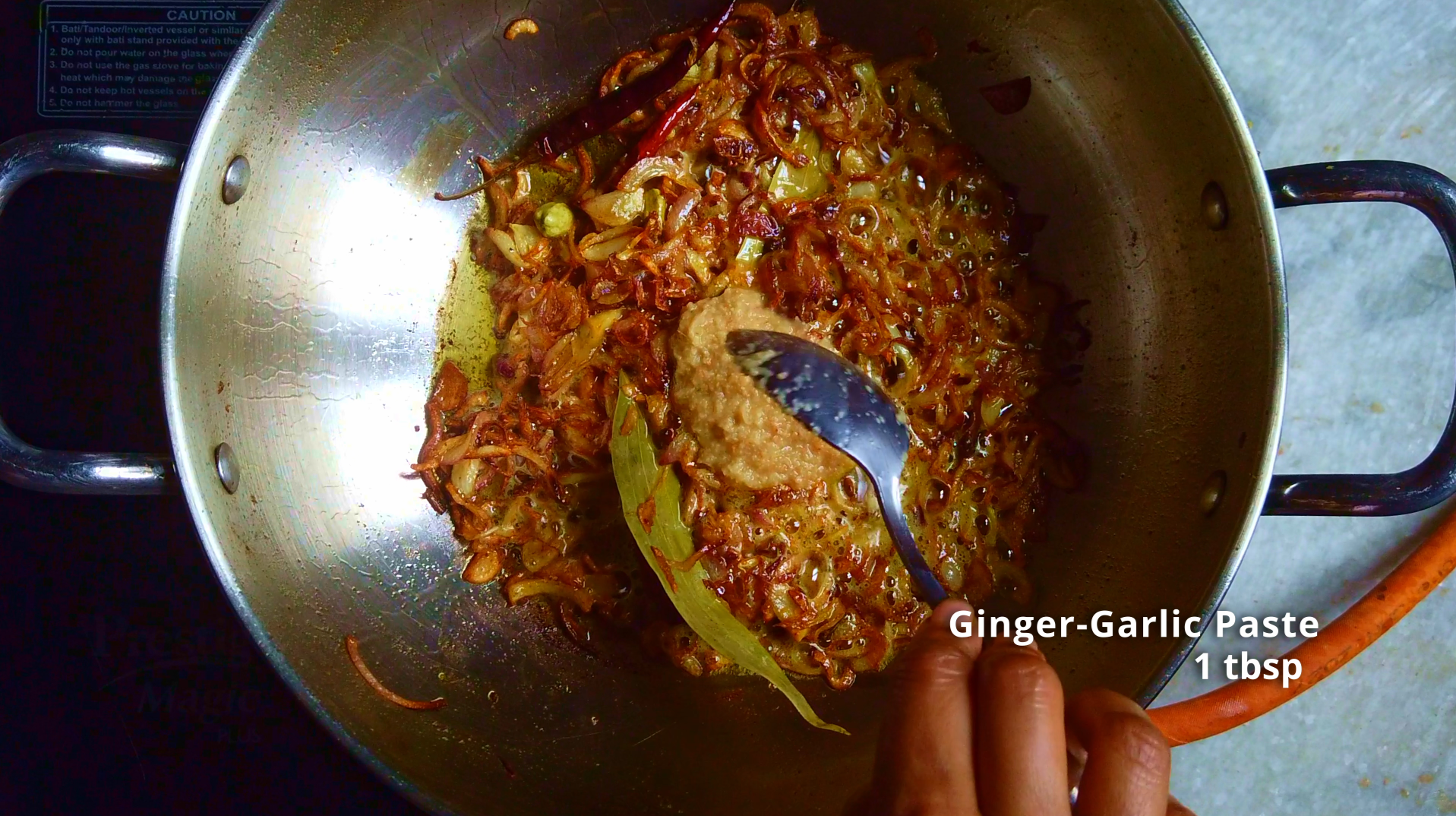
- Step 12: Add turmeric powder, sauté for 2-3 minutes. Then add red chili powder, Kashmiri chili powder, sauté for 2-3 minutes.
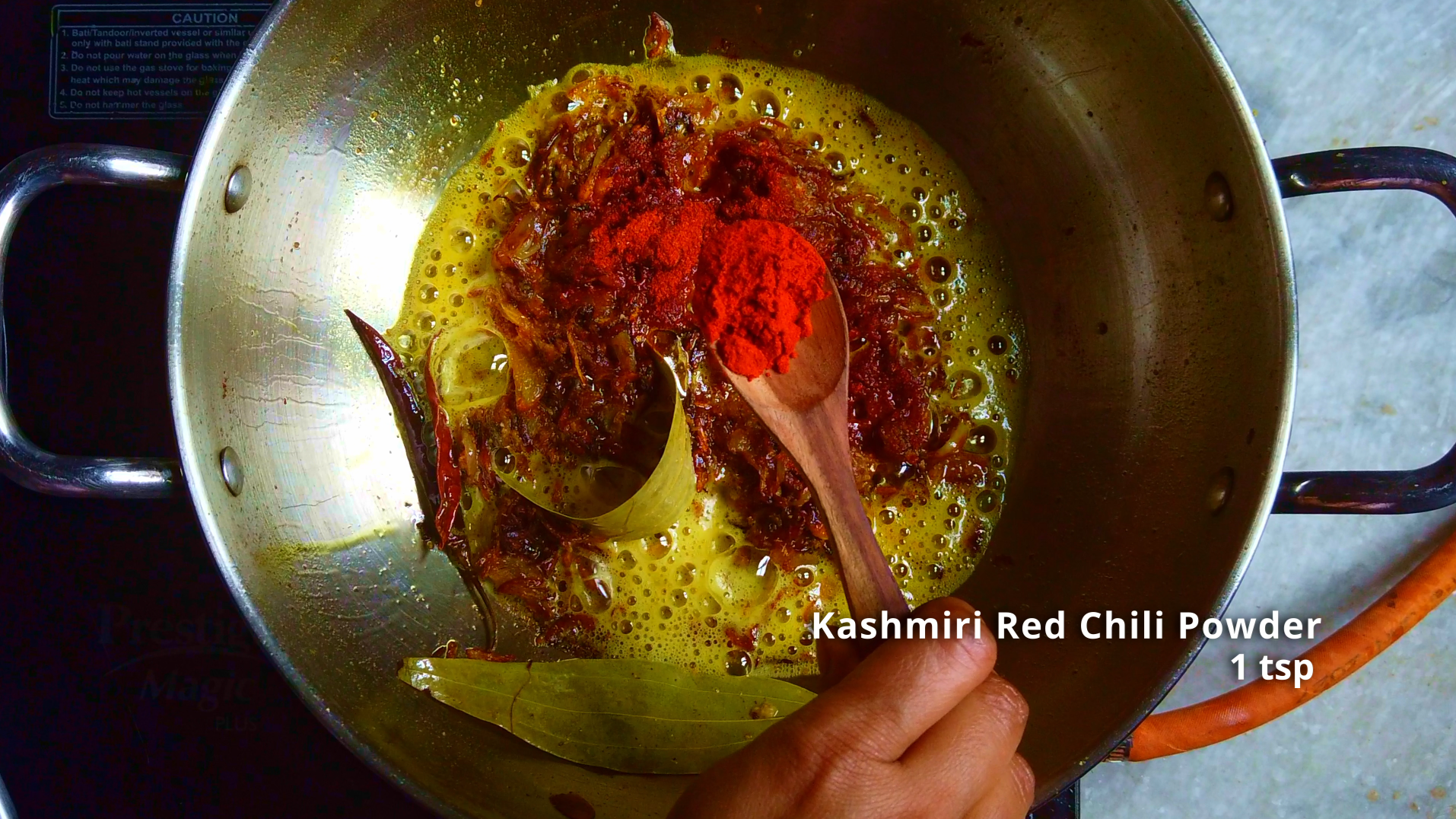
- Step 13: Add tomato puree and cook for 5-6 minutes. Then add fried potatoes and sautee for 4-5 minutes.
- Step 14: Then add the fried rice, hot water, salt to taste, sugar, lemon leaves, fried cashews, raisins, bhaja moshla, Bengali Garam Masala and green chili, stir to combine.
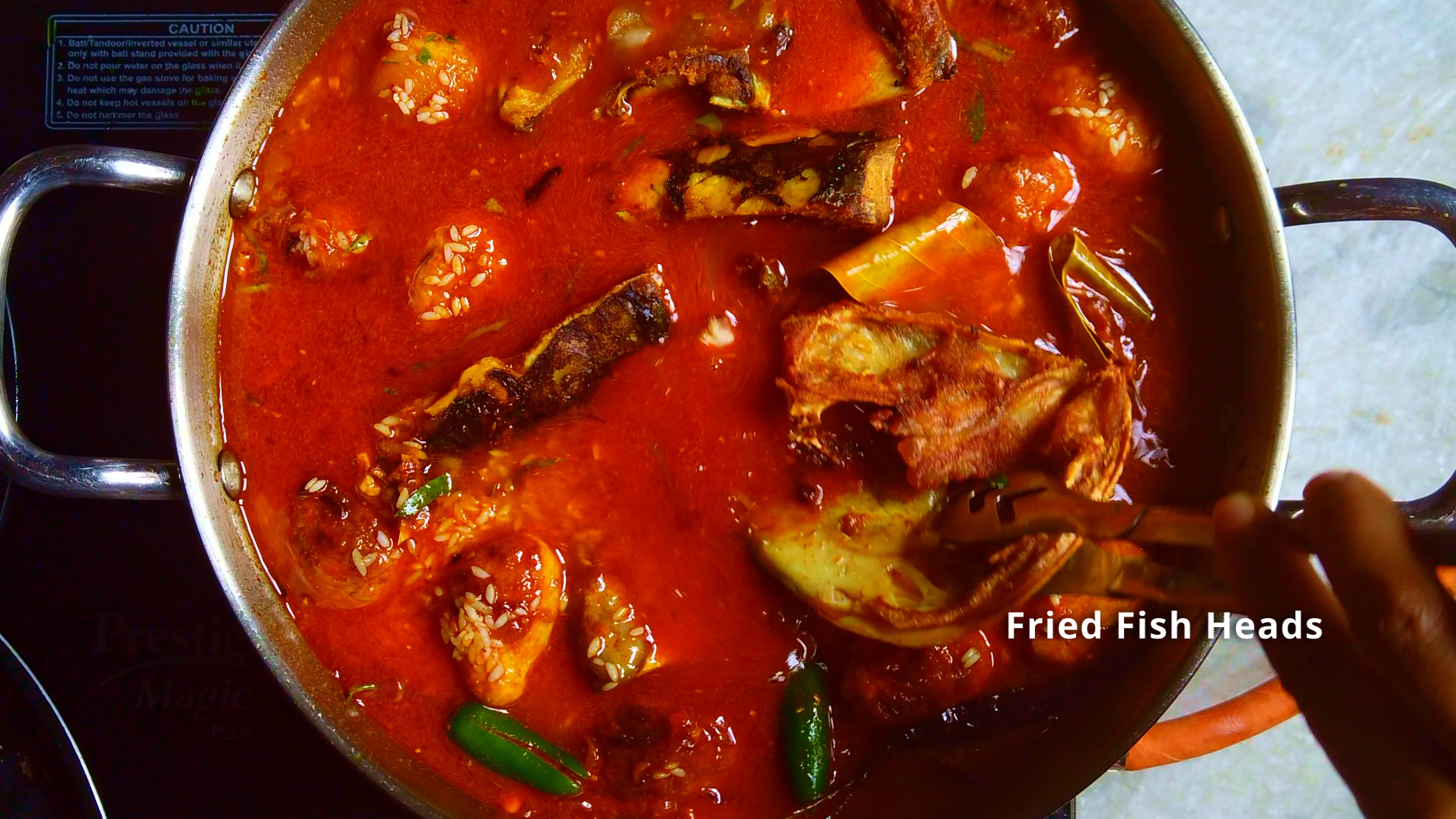
- Step 15: Add the fried fish heads, mix them. Cover and cook on low heat for 15 minutes.
- Step 16: Then after 15 minutes, add birista and ghee, Cover and cook on low heat for 5-7 minutes. Gently fluff up the rice and rest for another 15 minutes. If you see moisture at the bottom, then cook for longer.
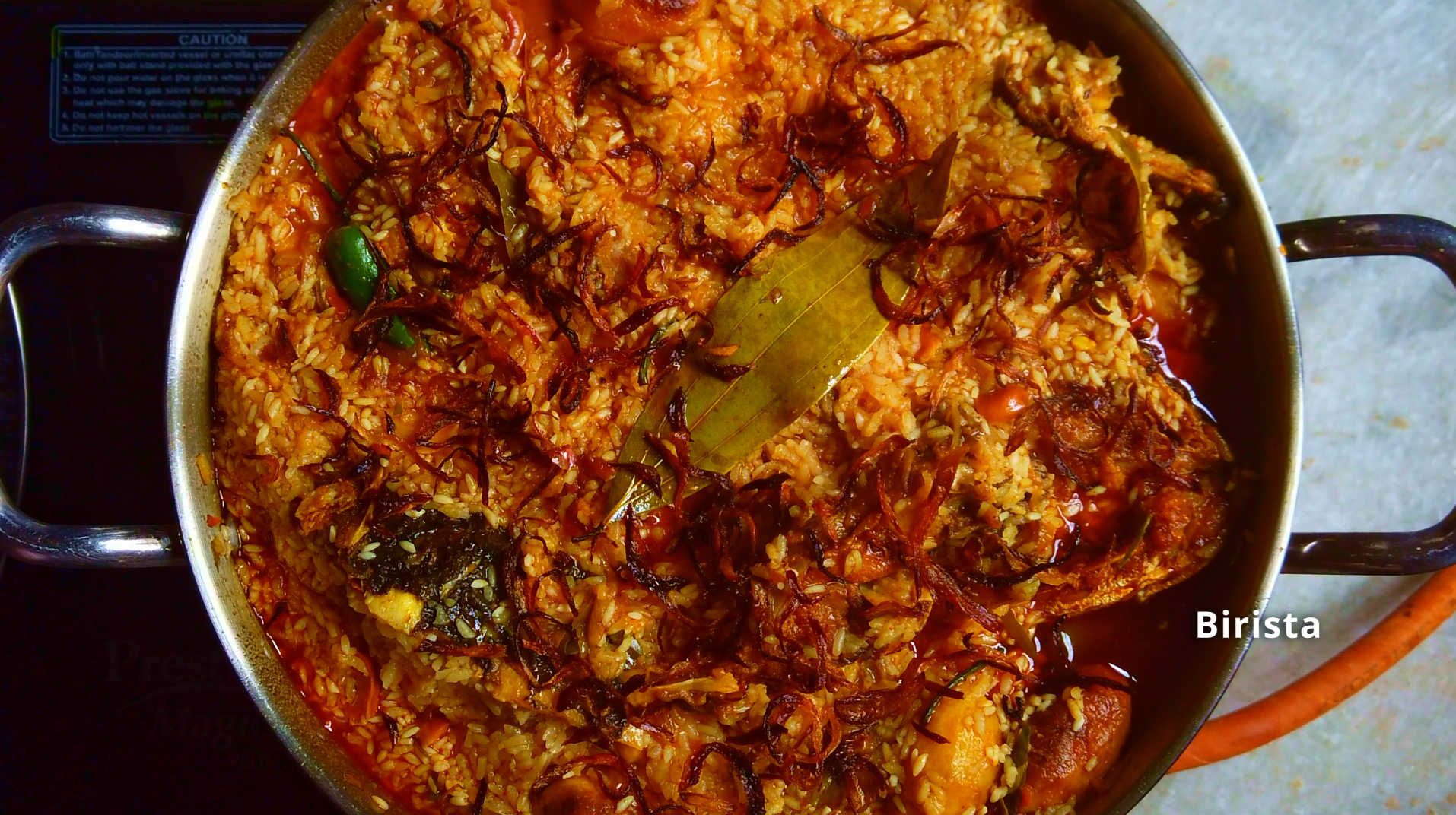
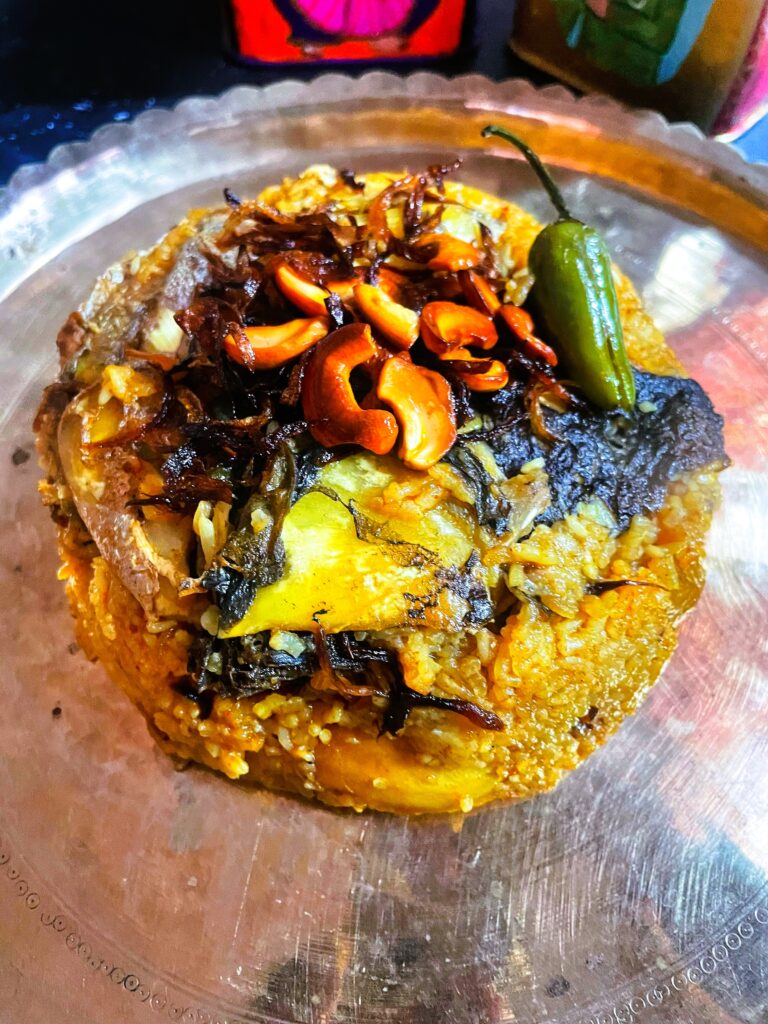
- Step 17: Transfer the Muri Ghonto in a serving platter and garnish with some birista and fried cashew nuts. Serve immediately & enjoy!!
About Me

DEBJANI MONDAL
Welcome to Kitchenstagram, the home of delicious recipes, culinary inspiration and cooking adventures. I’m Debjani and I’m thrilled to be your guide through the wonderful world of food. I’m a self-taught professional baker, home chef, recipe developer, author of Kitchenstagram and an aspiring YouTuber.
My passion for food and cooking began at a very young age, when I would watch my mom and dad cook for me and my brother. My dad, in particular is a great cook whose culinary skills made a lasting impression on me. My dad would cook up a storm on special occasions by cooking variety of dishes, from delicious biriyani to samosa, fish fry, rasgullas and kachoris (sweet & spicy deep fried pastry with filling of lentils, meat or fish…>>>>>
FOLLOW ME
My Latest Posts
- post 1
- post 2