


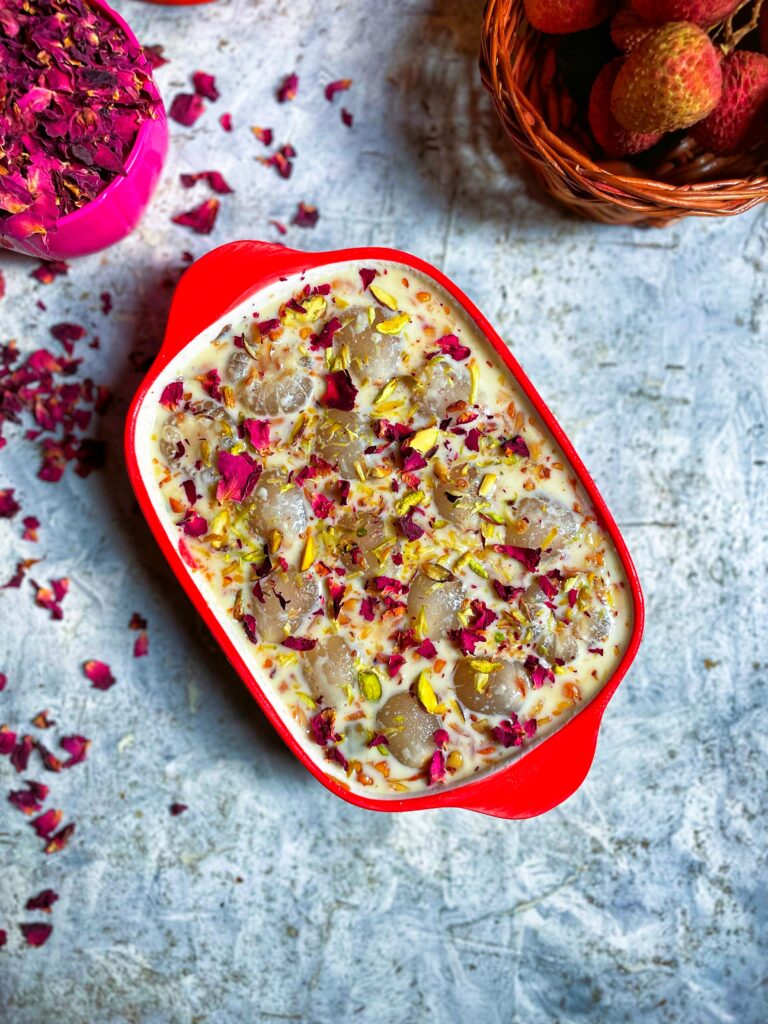
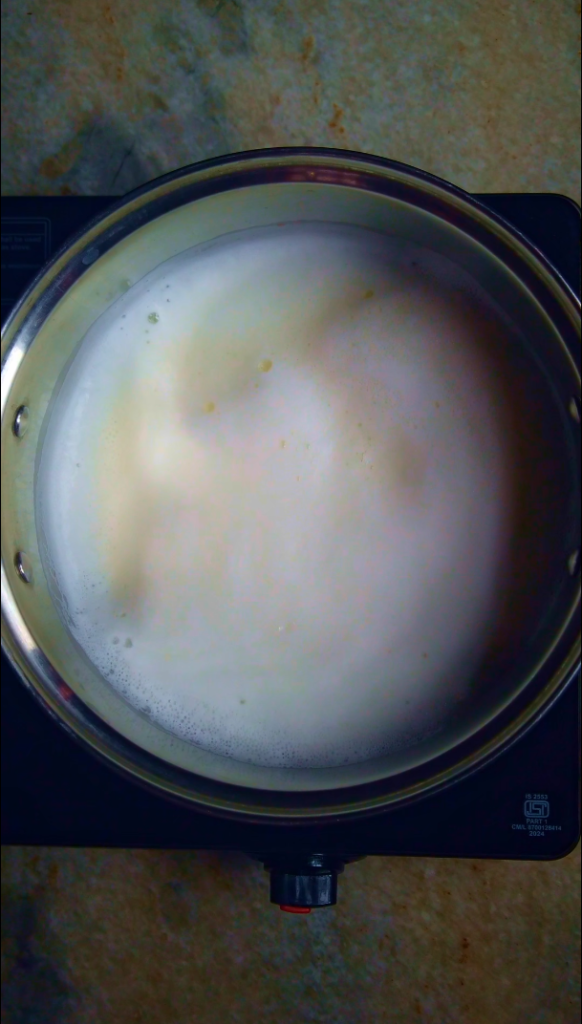
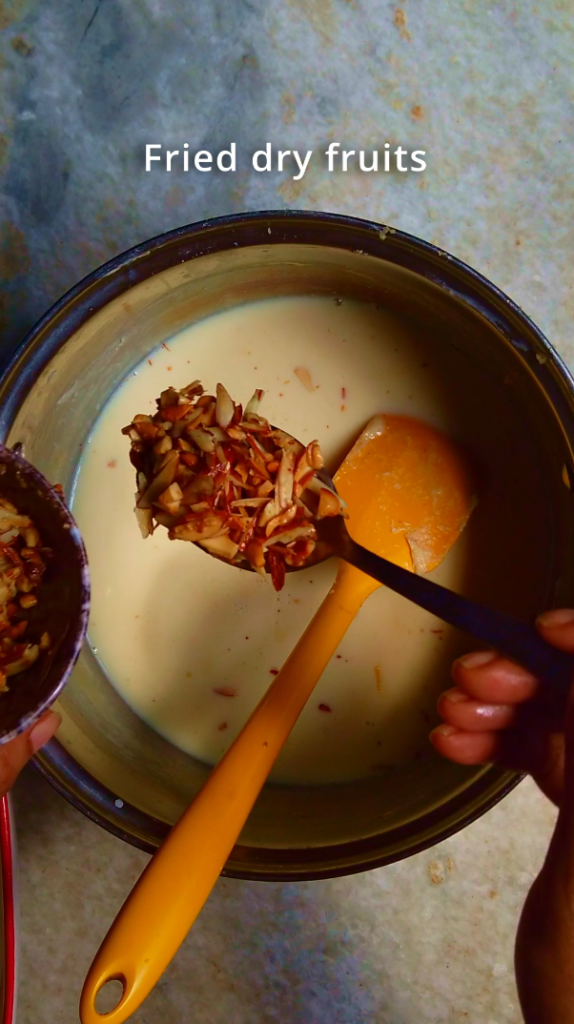
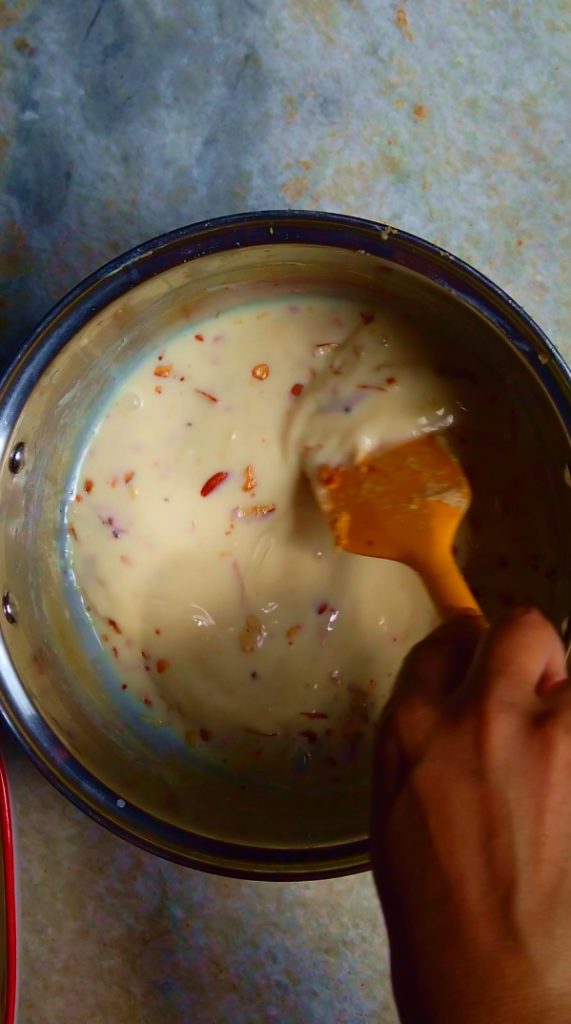
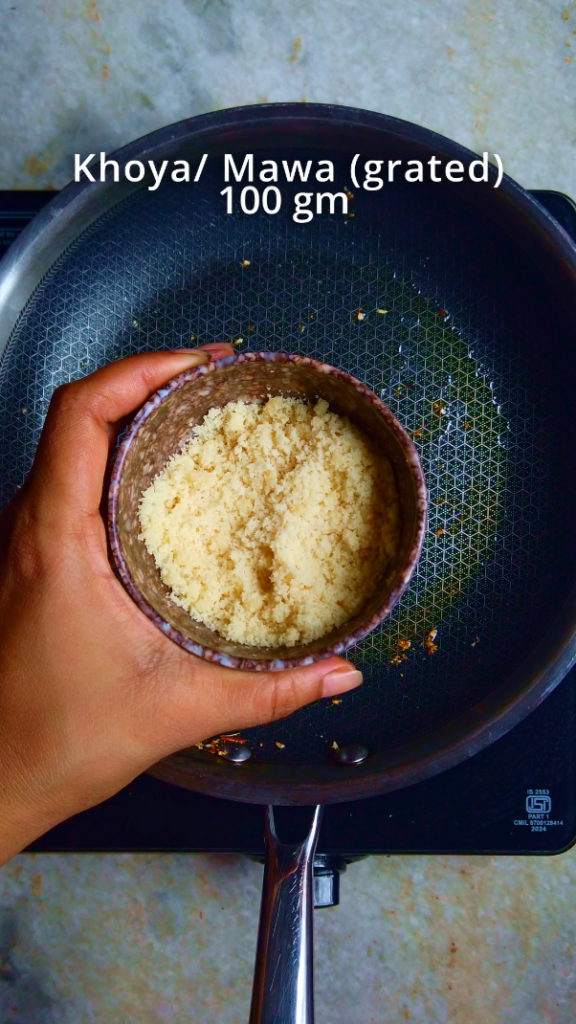
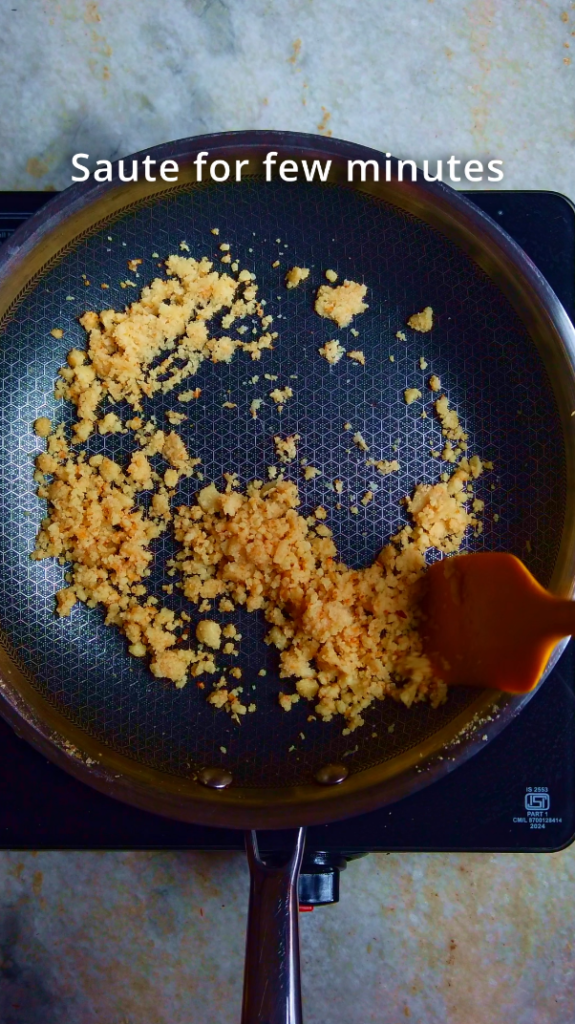
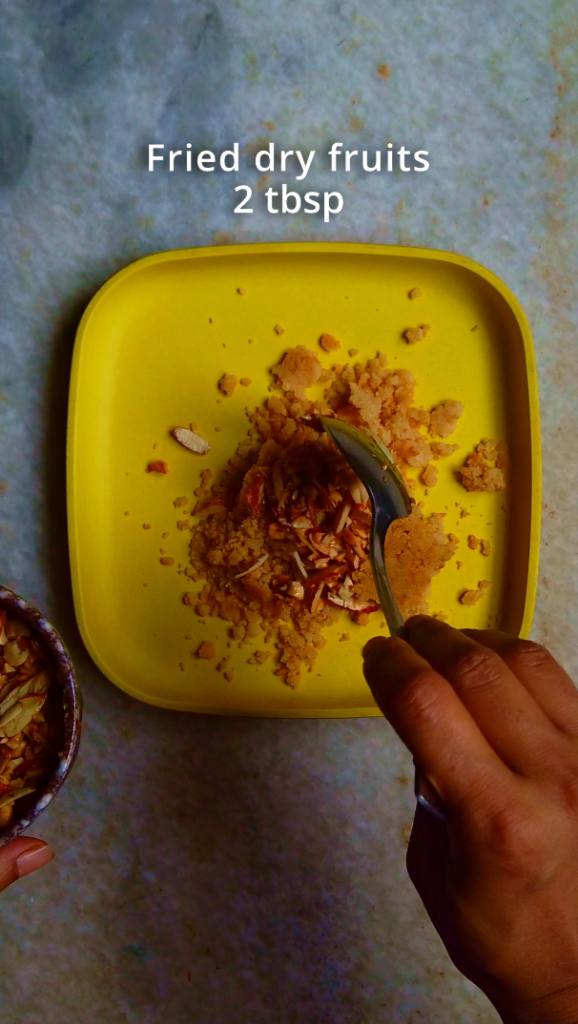
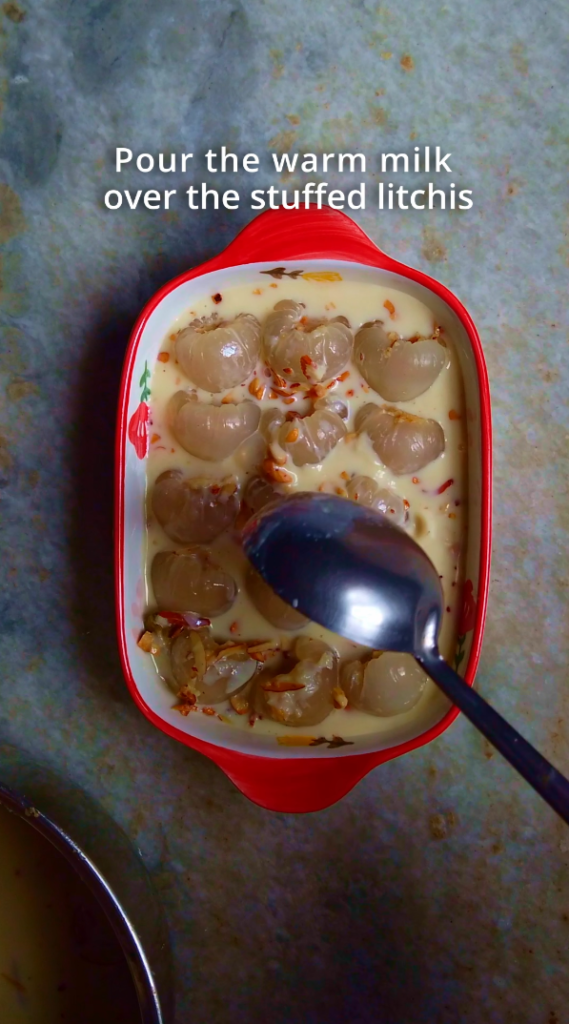
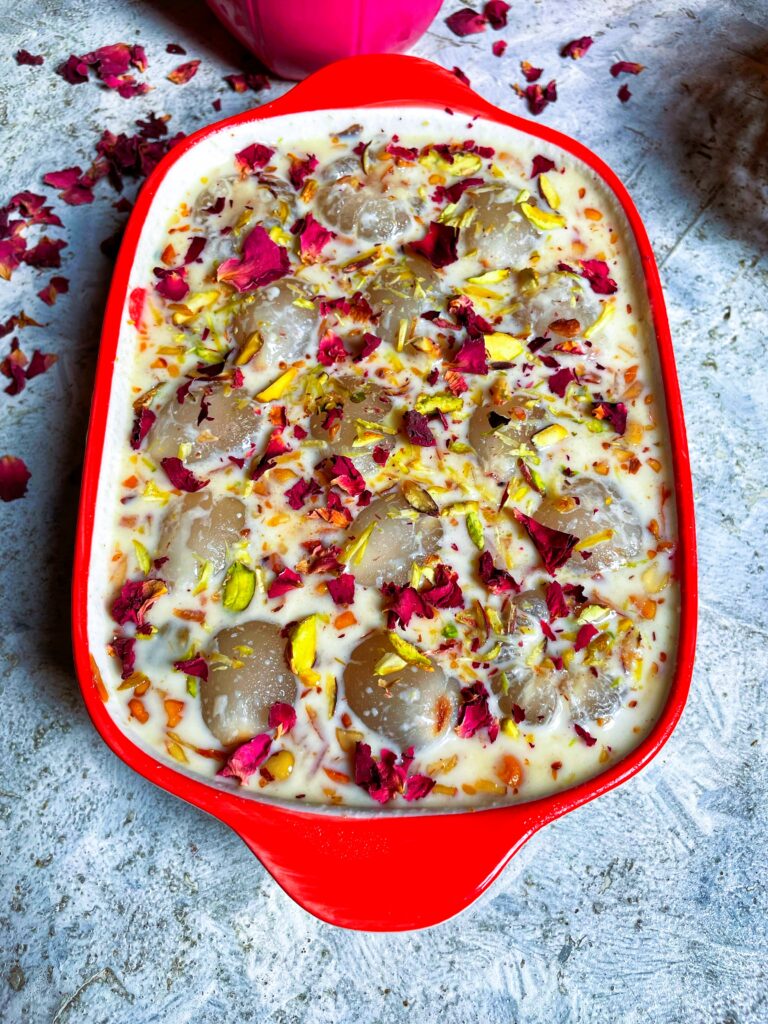

Litchi Payesh is a rare Bengali Dessert that beautifully combines a cherished traditional sweet with the fresh flavour of a seasonal fruit. While classics such as rosogolla, sandesh and misti doi continue t enjoy widespread popularity, this delightful payesh remains relatively unknown outside a handful of households. Today it is considered a forgotten gem of Bengali cuisine, prepared mainly during the summer months when litchis are at their peak.
Payesh has long occupied a special place in Bengali culture. This comforting rice pudding is closely associated with celebrations, family gatherings and important milestones. It is often prepared for birthdays, Annaprashan ceremonies, anniversaries and religious occasions, symbolizing prosperity, happiness and blessings for the future. For generations, the dessert has been an essential part of festive meals, carrying memories of family traditions and home kitchens.
The origins of payesh can be traced back to ancient India, where milk-based sweet dishes were offered to deities during religious ceremonies. Over time, regional variations emerged across the country. In Bengal, payesh evolved into a beloved household dessert with families creating their own versions based on seasonal ingredients and local preferences. The addition of fruits to payesh became a natural extension of this tradition, allowing cooks to celebrate the changing seasons through food.
Litchur Payesh reflects this spirit of culinary creativity. The dessert gained popularity in regions where litchu cultivation flourished, particularly in parts of Bengal. The fruits delicate sweetness and juicy texture complement the rich creamy character of traditional payesh, creating a combination that feels both familiar and refreshing. Unlike classic versions, which are smooth and uniform, this variation offers occasional bursts of fruit that add a pleasant contrast to every spoonful.
Litchi itself holds a special place in eastern India’s summer landscape. For a brief period each year, markets overflow with the bright, fragrant fruit, making it one of the seasons most anticipated arrivals. Its naturally sweet taste and aromatic quality have inspired numerous desserts, beverages and festive treats. Incorporating litchu into payesh allows its delicate flavour to shine while maintaining the comforting essence of the traditional pudding.
What makes Litchur Payesh particularly appealing is the balance it achieves between tradition and innovation. It retains the nostalgic character of a dessert that many Bengalis associate with childhood celebrations, yet introduces a seasonal element that gives it a distinctive personality. The result is a sweet dish that feels rooted in heritage while offering something slightly different from the familiar versions served throughout the year
Although it is not as commonly prepared today, Litchur Payesh remains a wonderful example of Bengal’s rich culinary heritage. Each bowl tells a story of seasonal abundance, family customs and the enduring love for sweets that define Bengali food culture. Whether served at a festive gathering or enjoyed as a summer treat, this unique dessert continues to capture the charm of tradition while celebrating one of the regions most cherished fruits.
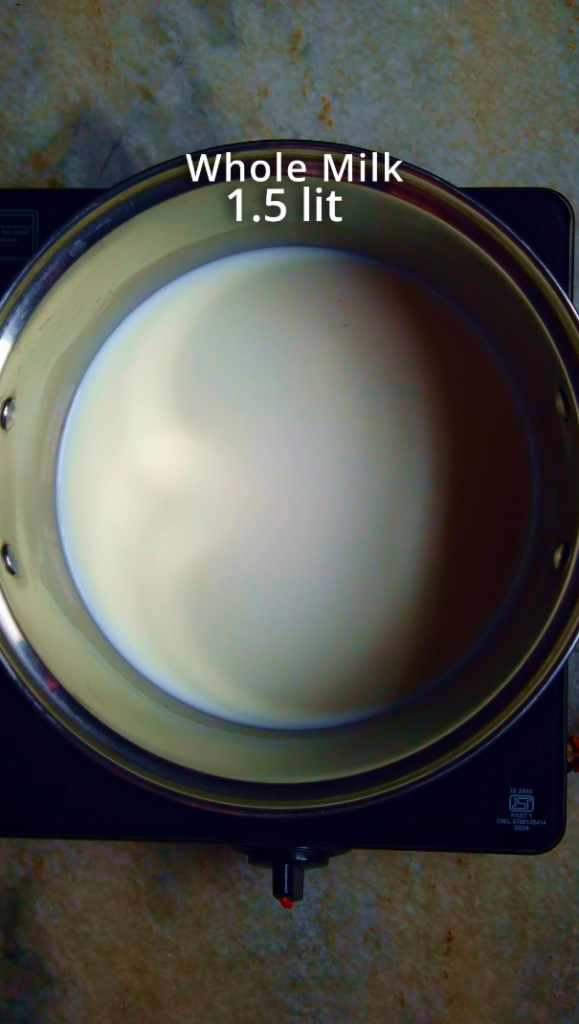
1.5 lit Whole Milk
15 nos. Litchi
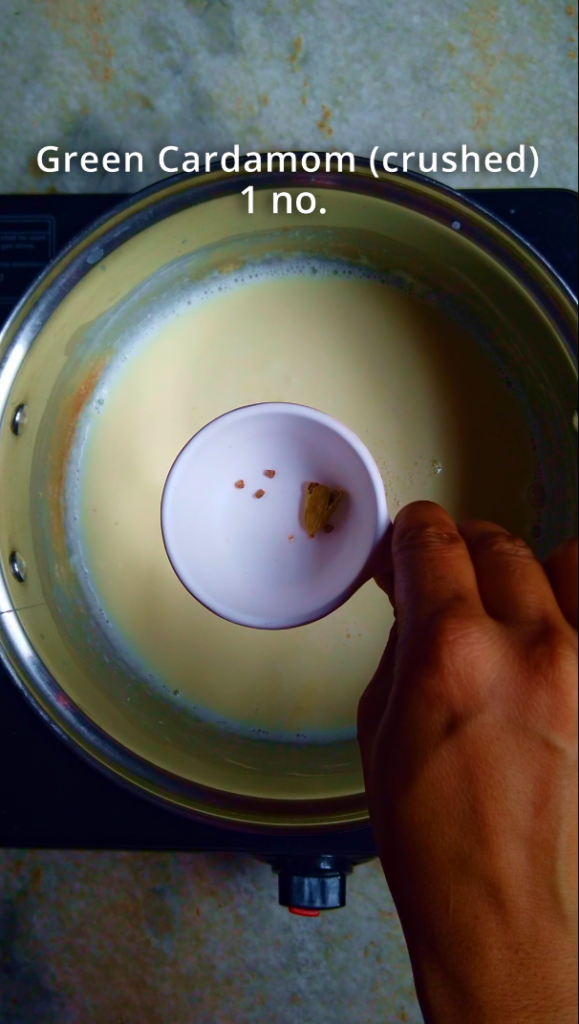
1 no. Green Cardamom, crushed
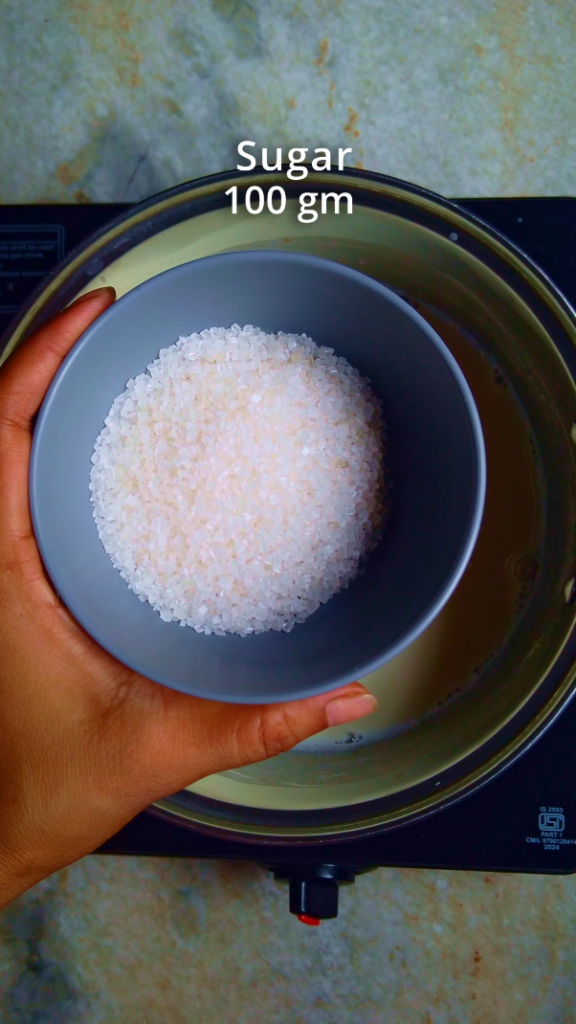
100 gm Sugar
DEBJANI MONDAL
Welcome to Kitchenstagram, the home of delicious recipes, culinary inspiration and cooking adventures. I’m Debjani and I’m thrilled to be your guide through the wonderful world of food. I’m a self-taught professional baker, home chef, recipe developer, author of Kitchenstagram and an aspiring YouTuber.
My passion for food and cooking began at a very young age, when I would watch my mom and dad cook for me and my brother. My dad, in particular is a great cook whose culinary skills made a lasting impression on me. My dad would cook up a storm on special occasions by cooking variety of dishes, from delicious biriyani to samosa, fish fry, rasgullas and kachoris (sweet & spicy deep fried pastry with filling of lentils, meat or fish…>>>>>
FOLLOW ME