

Ilish Pulao Recipe | Hilsa Fish Pulao | Kitchenstagram
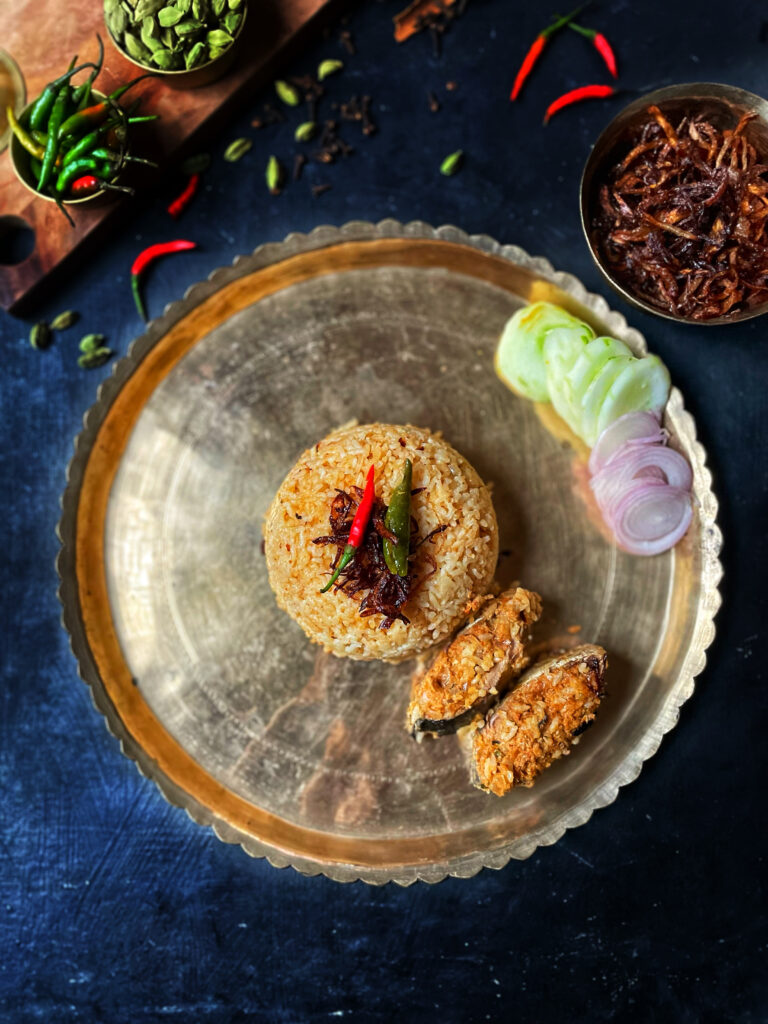
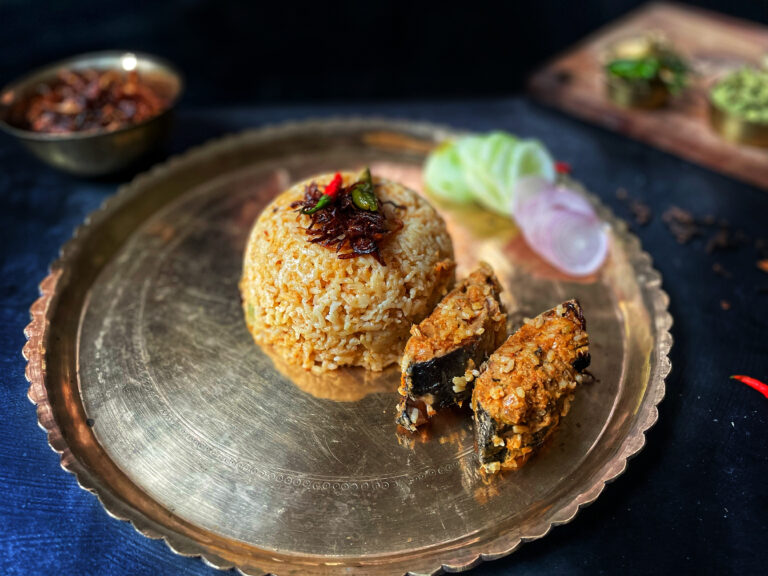
Ilish Pulao or Hilsa Pilaf, is not just a dish- it’s a cultural heirloom, a symbol of identity and an incredible ode to Bengal’s culinary legacy. While many dishes occupy pride of place in Bengali cuisine, few can match the emotional and gastronomic stature of this luxurious fish and rice preparation. Rooted deeply in Bangladeshi tradition and now widely embraced in India’s Bengali households, Ilish Pulao stands tall as a quintessential festive main course that brings together history, nostalgia and unmatched flavour.
Hilsa or ilish, is revered in every Bengali home- whether on the banks of Padma in Bangladesh or by the Ganges in West Bengal. Often referred to as the “Queen of Fishes,” ilish enjoys a special place in Bengali imagination. It is not just cooked or eaten- it is celebrated. There are songs, proverbs, poetry and countless family debates surrounding the best way to prepare and eat ilish.
Ilish Pulao takes this affection to the next level. It is a dish prepared not just for palate, but for the soul. For families with Bangladeshi roots-commonly referred to as “Bangal”- this recipe often marks homecomings, monsoon celebration or family gatherings. Interestingly, the “Ghoti” families (with ancestral roots in West Bengal) may argue over seasoning or cooking styles, but even won’t deny the majestic appeal of ilish when cooked with fragrant rice.
What makes Ilish Pulao so distinct is its origin and restraint in its preparation. The traditional Bangladeshi version doesn’t rely on heavy-handed spices or artificial flavourings. Instead, it is the gentle balance between rich oil of Hilsa fish and the aroma of subtly spiced Pulao rice that defines this dish. Whole spices are often used sparingly, just enough to lift the aroma without overwhelming the natural fragrance of the fish and rice.
Unlike most hilsa dishes, which are served with plain steamed rice and a side of curry or fry, this pulao is a complete dish on its own. The fish is typically marinated and cooked before being layered with partially cooked rice. Everything is then steamed together- a process that allows the fragrant rice to absorb the delicate flavours of the fish and spices.
There isn’t a single universal recipe for Ilish Pulao, and that is perhaps one of its many charms. Each household-especially those from Dhaka, Barisal or Chittagong, Bangladesh- has its own method passed down through generations. Some include coconut milk, others blend in misti doi (sweet yogurt) for a touch of creaminess. Some recipes swear by a pinch of sugar to balance the bitterness of mustard, while other skips mustard altogether.
One common element, however, is the careful handling of Hilsa. This fish is notorious for its delicate bones and rich oil, so cooking it demands patience. The texture, if done right, is buttery and almost melts into the rice. A poorly cooked ilish can break apart or overpower the pulao with a fishy aroma- something ant true Bengali cook tries to avoid at all cost.
At the heart of ilish pulao are just a few key ingredients- high quality Hilsa fish and fragrant short-grain rice. Always choose Ilish over 1 kg weight, which tends to have a richer oil content and more satisfying meat. Among the preferred rice varieties are Gobindobhog, Tulaipunji or Chinigura- each adding a signature aroma and mouthfeel to the dish. These rice types are not only rich in fragrance but are also sticky and soft enough to pair harmoniously with the texture of the fish.
Hilsa is a monsoon fish. During this season, it travels upstream from the sea to fresh water rivers to spawn, becoming available in abundance across the region. This prized fish is most plentiful from June to September, and again January to April. During these peak seasons, fishermen return with boats full of shimmering silver hilsa. This is the golden period when markets in Bengal flood with fresh catches and households stock up on this seasonal delight. For many, the arrival of ilish marks the beginning of feasts and culinary experiments. During this time, ilish is even bough in pairs and gifted in traditional ceremonies and weddings. However, from late October through December, fishing halts to protect the spices during its breeding time. This pause aligns beautifully with local traditions-eating hilsa is considered inappropriate from Dashami of Durga puja until Saraswati Puja. Such harmony between ecological needs and cultural customs reflects a deep-rooted wisdom, blending sustainability with celebration in a uniquely Bengali way.
What sets Ilish Pulao apart is not just the ingredients or the method- it’s the emotion it carries. For many Bengalis, this dish connects them to their roots, their grandparents’ kitchens and memories of a time when food wasn’t rushed but lovingly prepared. It evokes nostalgia for monsoon afternoons. laughter around the dinner table, and even the minor squabbles about whether the head piece or tail is better. Ilish Pulao is not just one of the most iconic Bangladeshi dishes- it is an edible story of culture, migration and unbreakable traditions.
Serving Suggestions:
Serve Ilish Pulao piping hot, straight from the pot, from the most iconic experience. This rich, flavourful dish shines on its own, but pairs wonderfully with crisp potato fries or mango chutney or cucumber & Onion salad. Avoid letting it sit too long- fresh is best. If you have leftovers, store them in an airtight container in the fridge for up to five days. When ready to enjoy again, reheat gently on the stove top or microwave and finish with a spoonful of ghee to bring back its signature richness.
Ingredients:
For Marinating Hilsa:
4 pcs. Hilsa Fish
1/2 cup Yogurt
1 tbsp Onion Paste
2 tbsp Ginger-Garlic paste
1 tbsp Green chili, chopped
1/2 tsp Cumin Powder
1 tsp Coriander Powder
1/2 tsp Kashmiri Chili powder
Salt to taste
1 tbsp Mustard Oil
1 tbsp Refined Oil
For Ilish Gravy:
4 tbsp Refined Oil
1 no. Onion, chopped
2 tbsp Onion Paste
1 tsp Kashmiri Chili powder
1 cup Coconut Milk
Marinated Ilish
Salt to taste
For Ilish Pulao:
4 tbsp Ghee
2 tbsp Refined Oil
2 nos. Bay Leaf
2” Cinnamon Stick
4 nos. Green Cardamom
5-6 nos. Clove
1 tbsp Ginger Juice
2 1/2 Cup Godindo Bhog Rice, Soaked & Drained
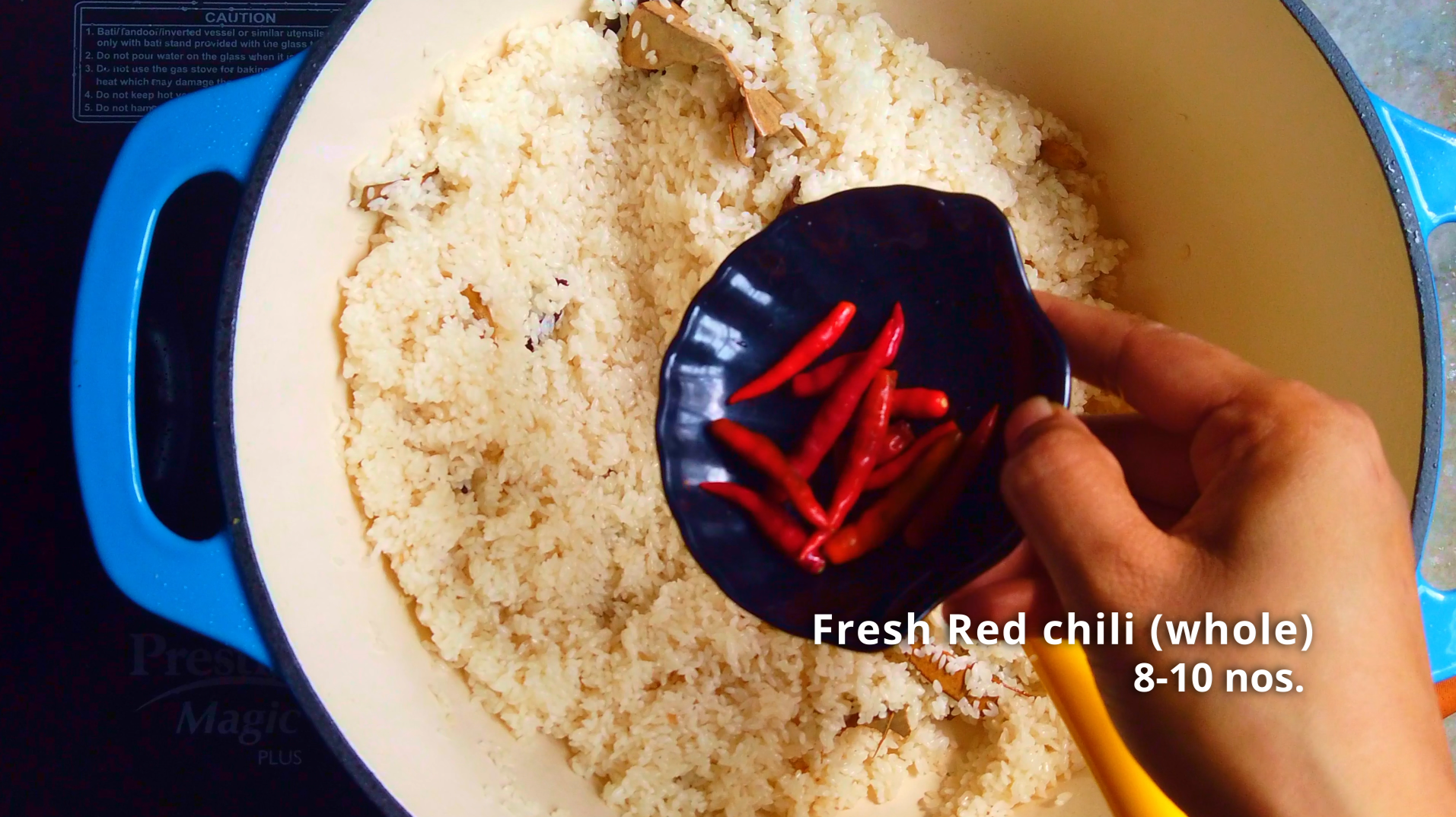
8-10 nos. Fresh Red chili, whole
6 nos. Green Chili, slitted
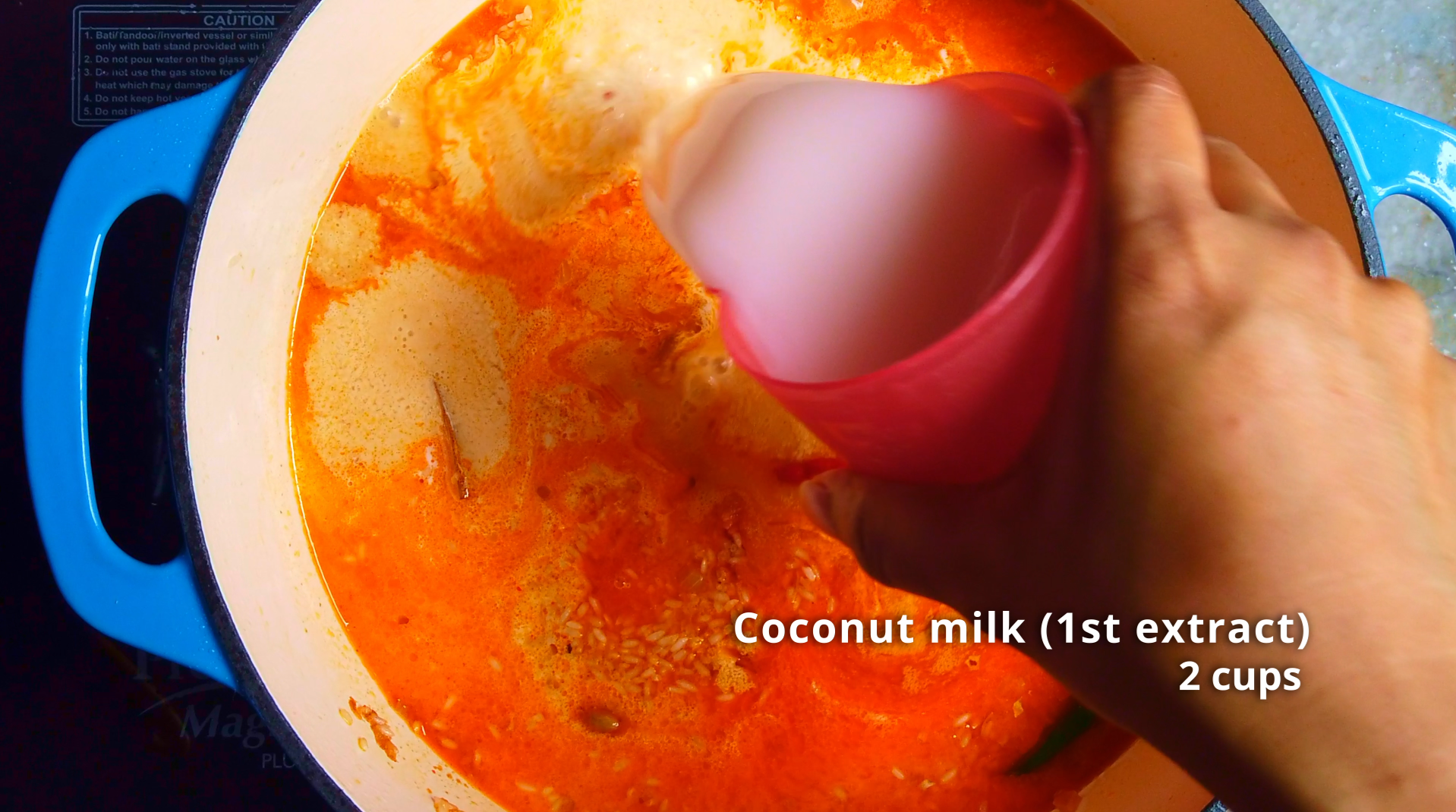
2 cups Coconut milk, 1st extract
1 cup Coconut milk, 2nd extract
2 cups Warm Water
Salt to taste
1 tbsp Sugar
1 cup Birista/ Crispy fried onions
Preparation:
- Step 1: Wash and clean the rice, soak in water for 30 minutes. After 30 minutes drain water and set aside the soaked rice.
For Marinating Hilsa:
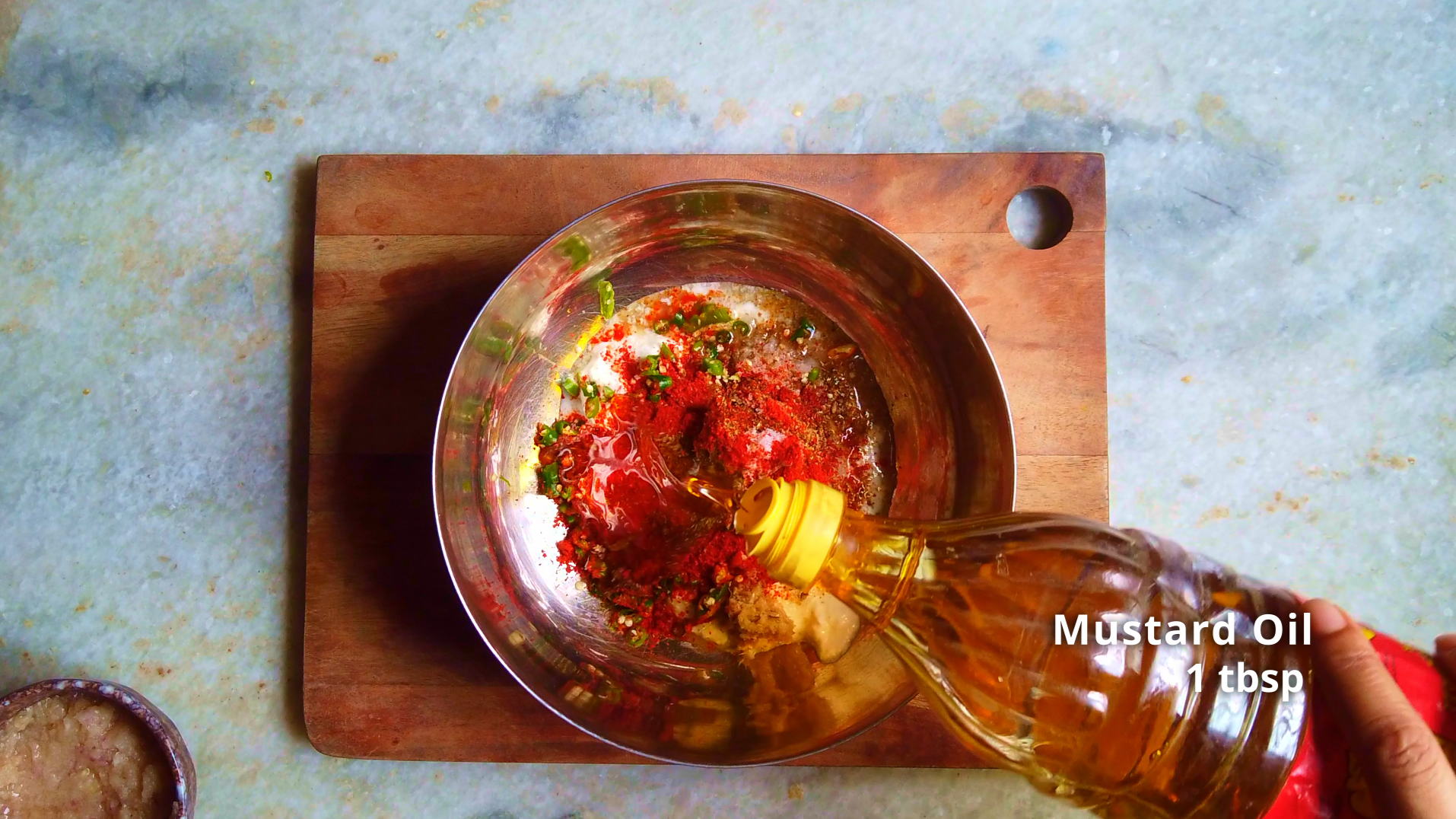
- Step 2: In a mixing bowl combine yogurt, 1 tbsp onion paste, ginger-garlic paste, cumin Powder, coriander Powder, salt to taste, Kashmiri Chili powder, chopped green chili, mustard oil and refined oil, stir to combine properly.
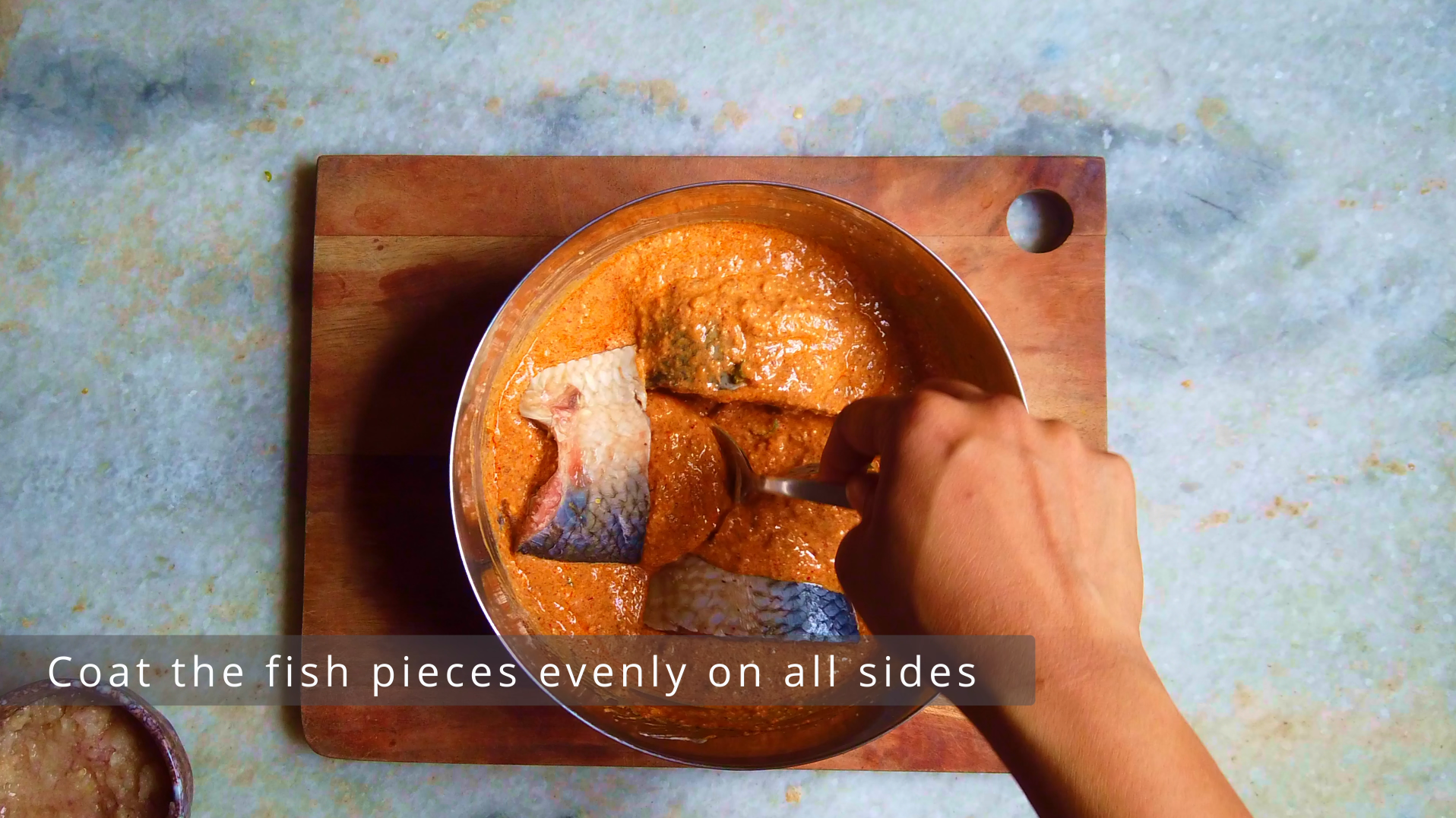
- Step 3: Add the ilish and coat the fish pieces evenly on all sides. Leave it aside for 10-15 minutes.
For Ilish Gravy:
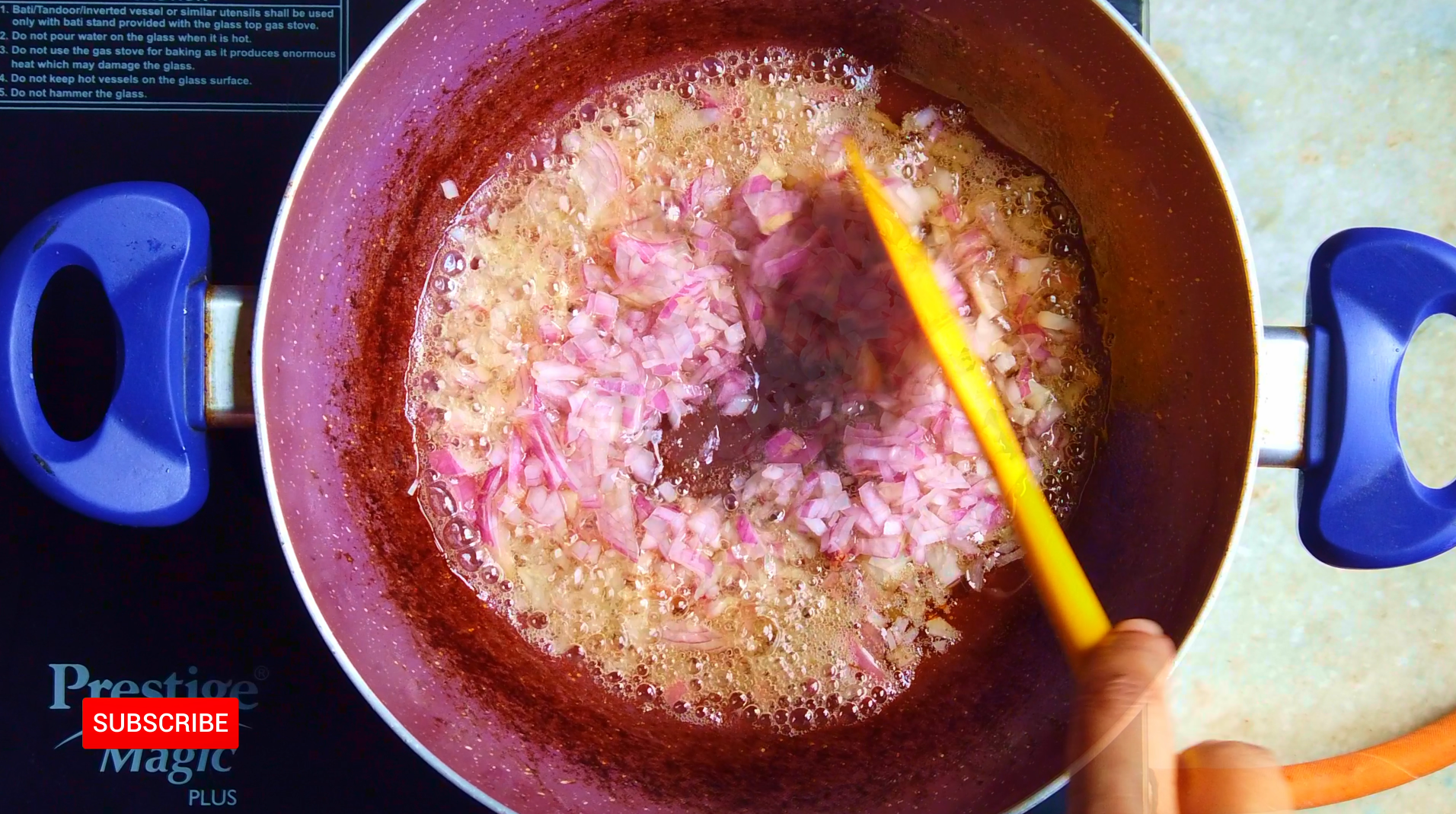
- Step 4: In a wok heat refined oil, then add chopped onions and a pinch of salt, fry for 6-8 minutes or until they turns pink.
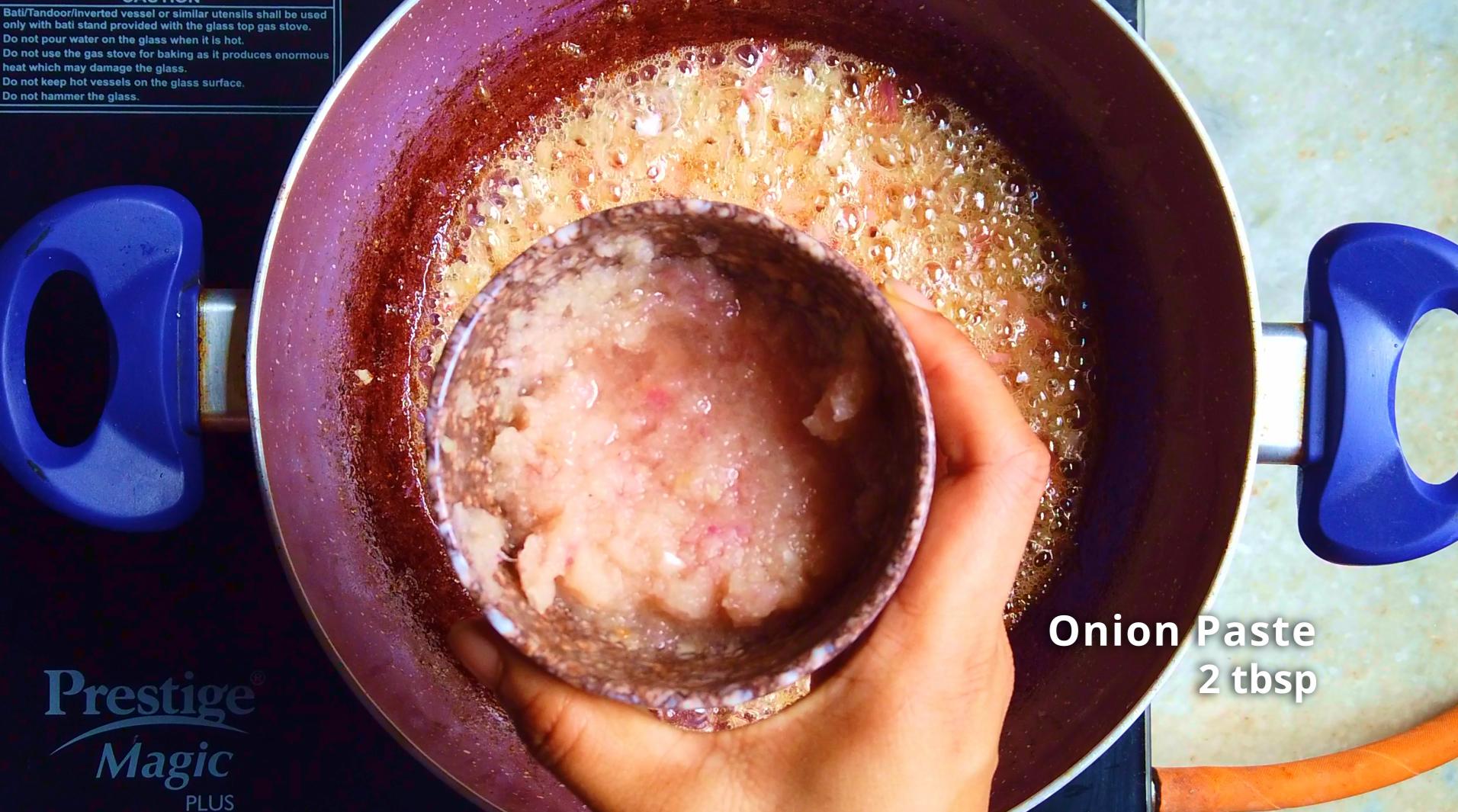
- Step 5: Then add onion paste and fry for 5-6 more minutes.
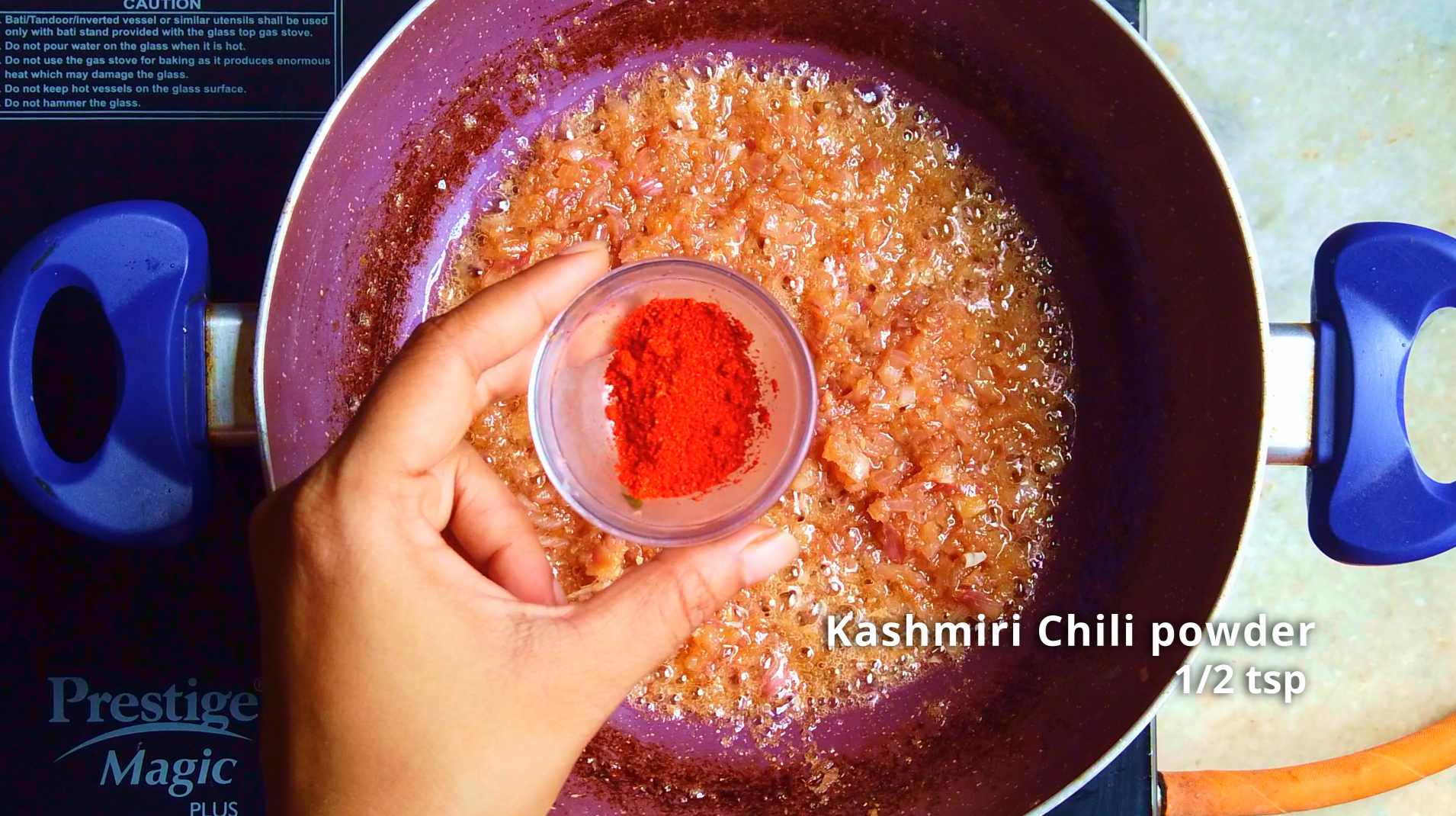
- Step 6: Add Kashmiri Chili powder and Sautée for 2-3 minutes.
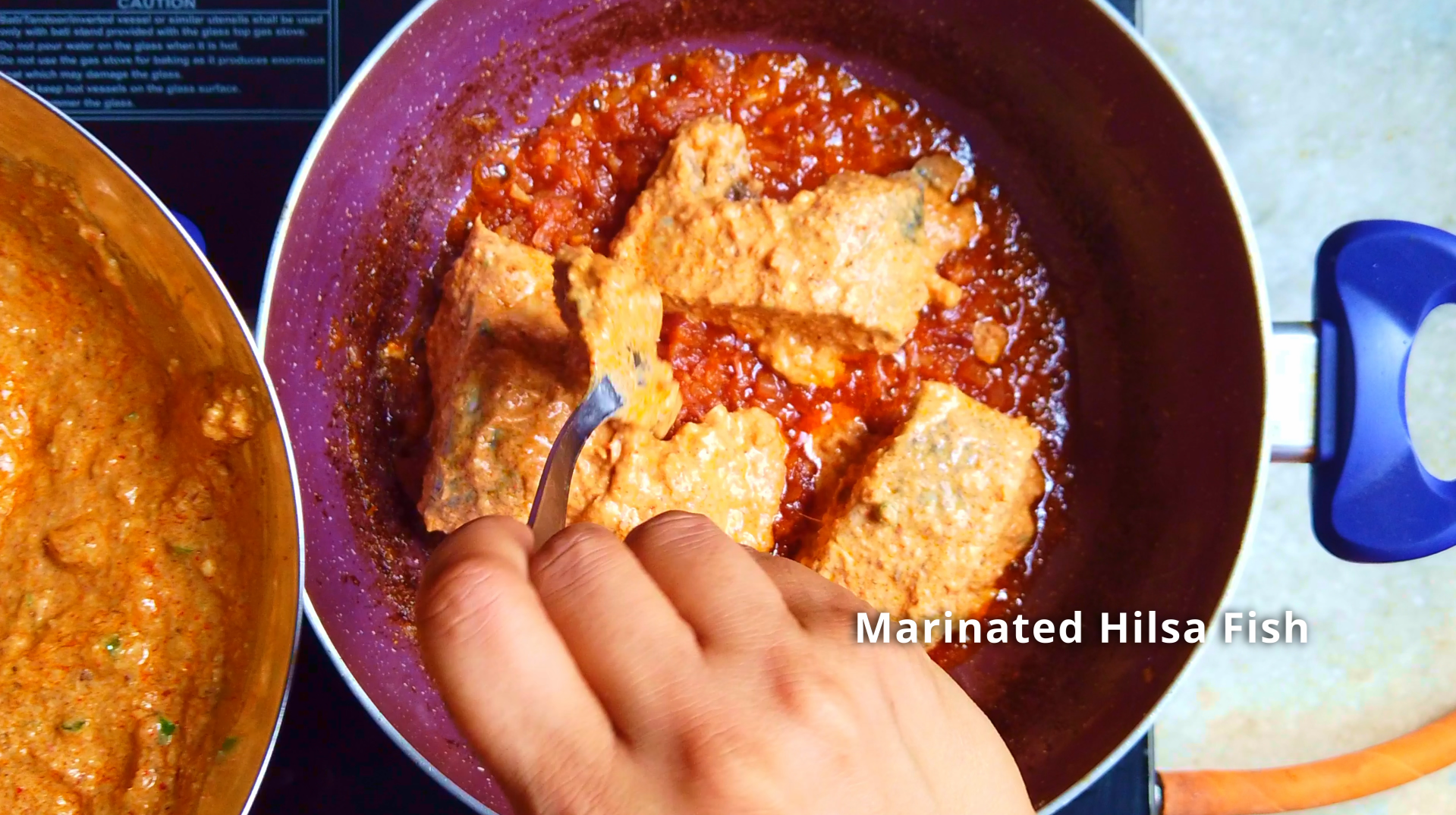
- Step 7: Next, add the marinated fish along with the marination, water and coconut milk, stir to combine.
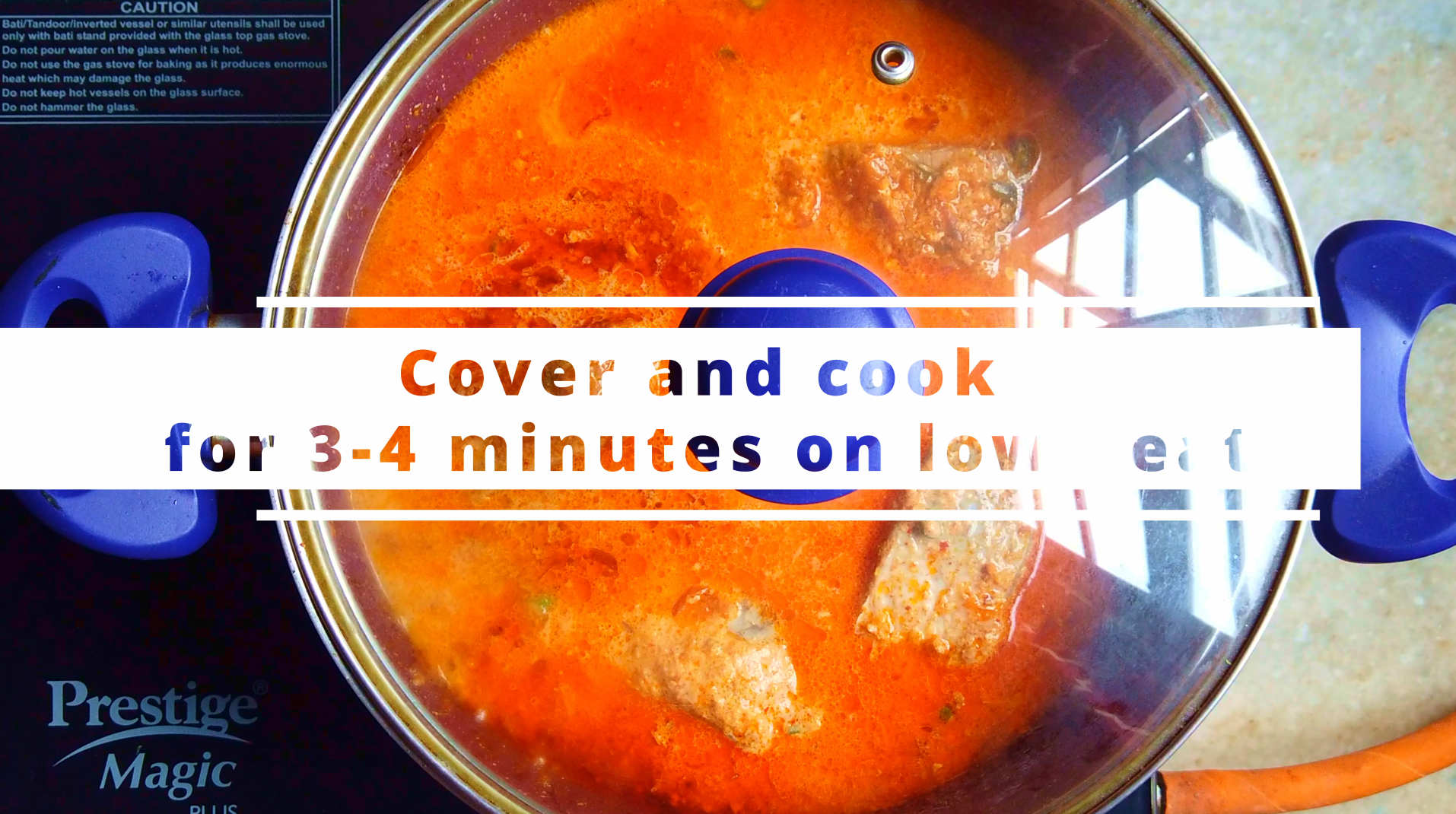
- Step 8: Cover and cook the fish for 6-7 minutes on low heat. Turn off the heat and scoop out the fish pieces along with some gravy and set aside. Reserve the rest of the fish gravy.
For Ilish Pulao:
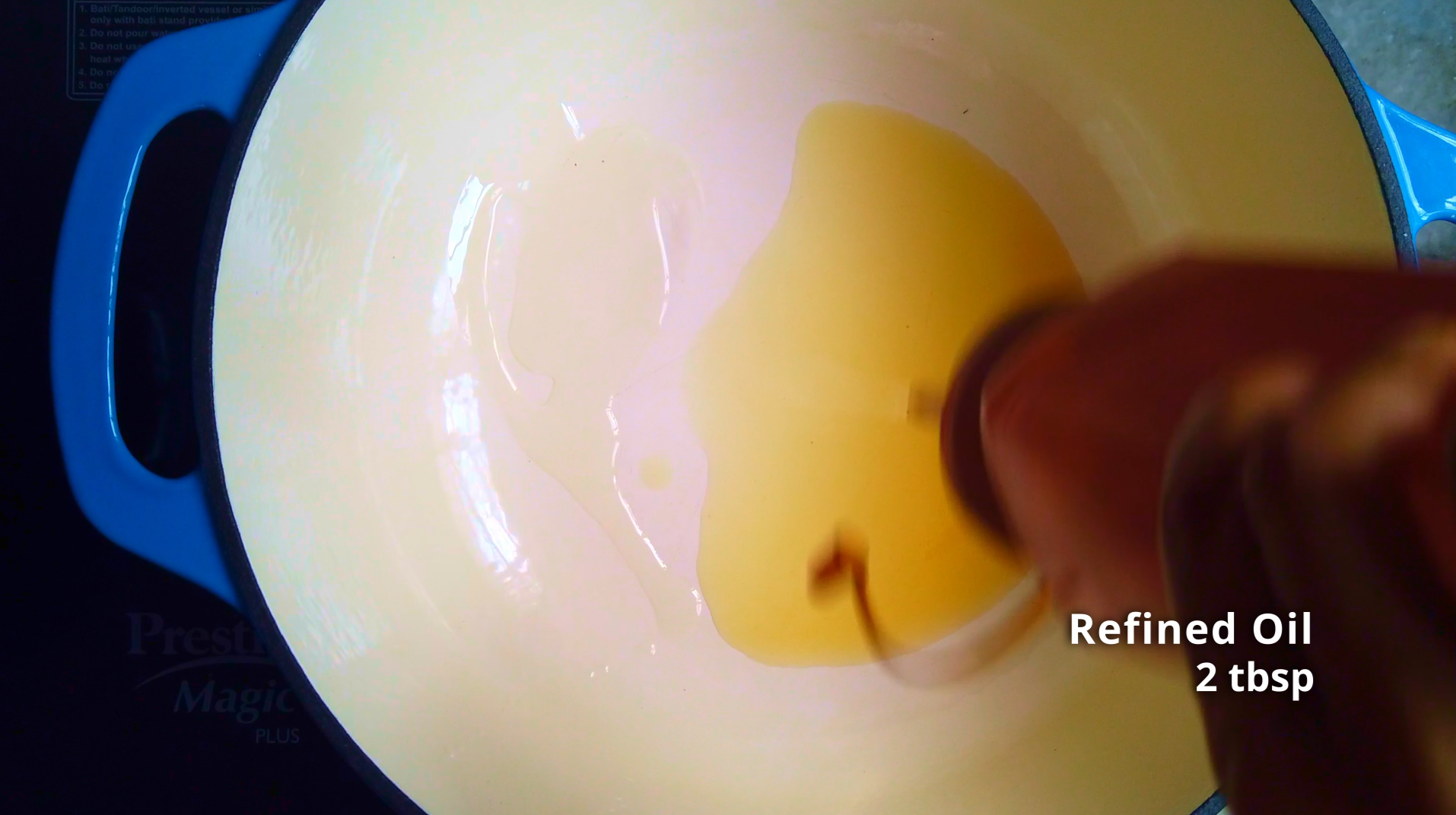
- Step 9: In a Dutch oven, heat 2 tbsp ghee and refined oil.
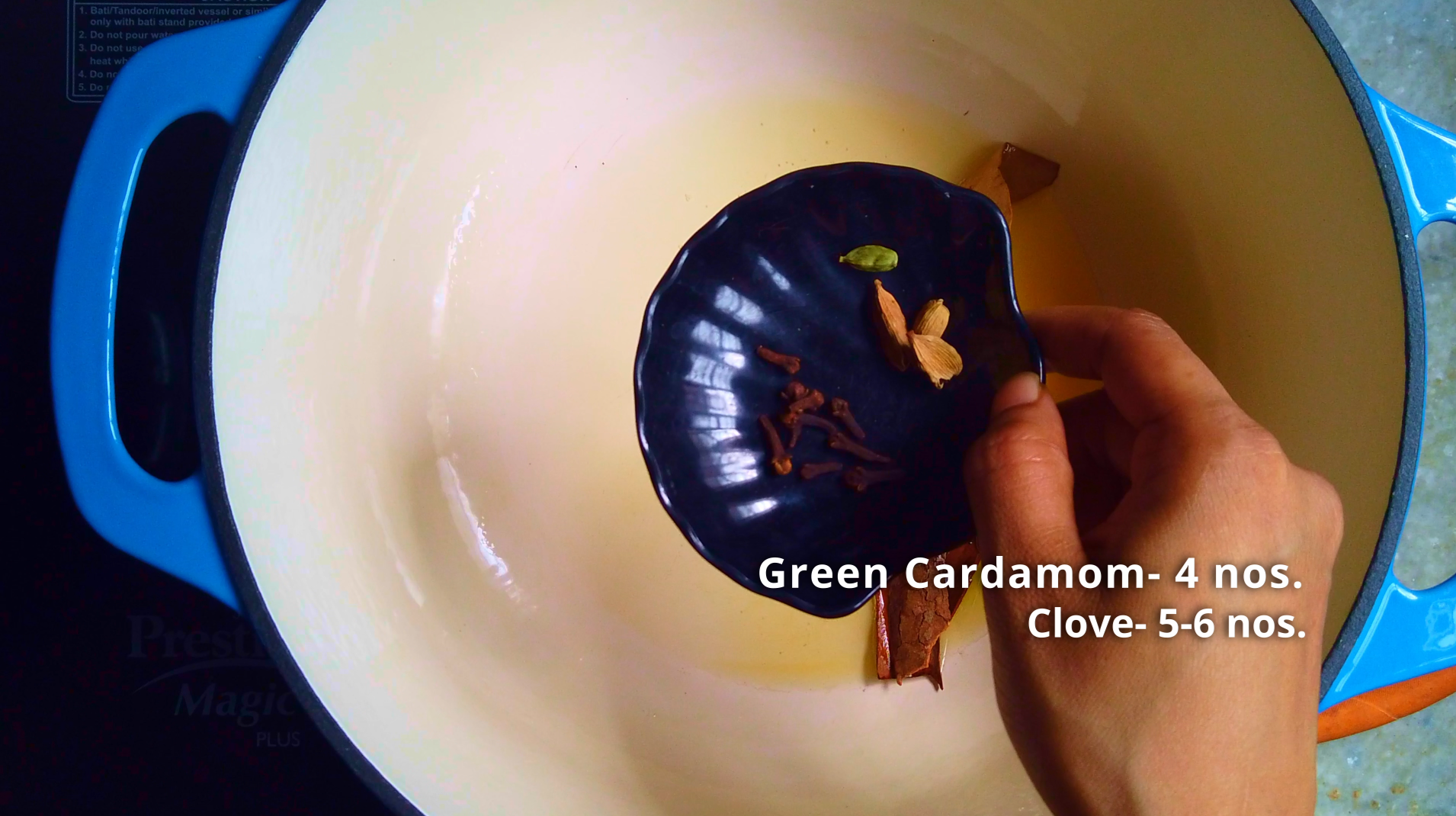
- Step 10: Next add the Bay leaves, Green Cardamom, Clove, Cinnamon and allow them to crackle.
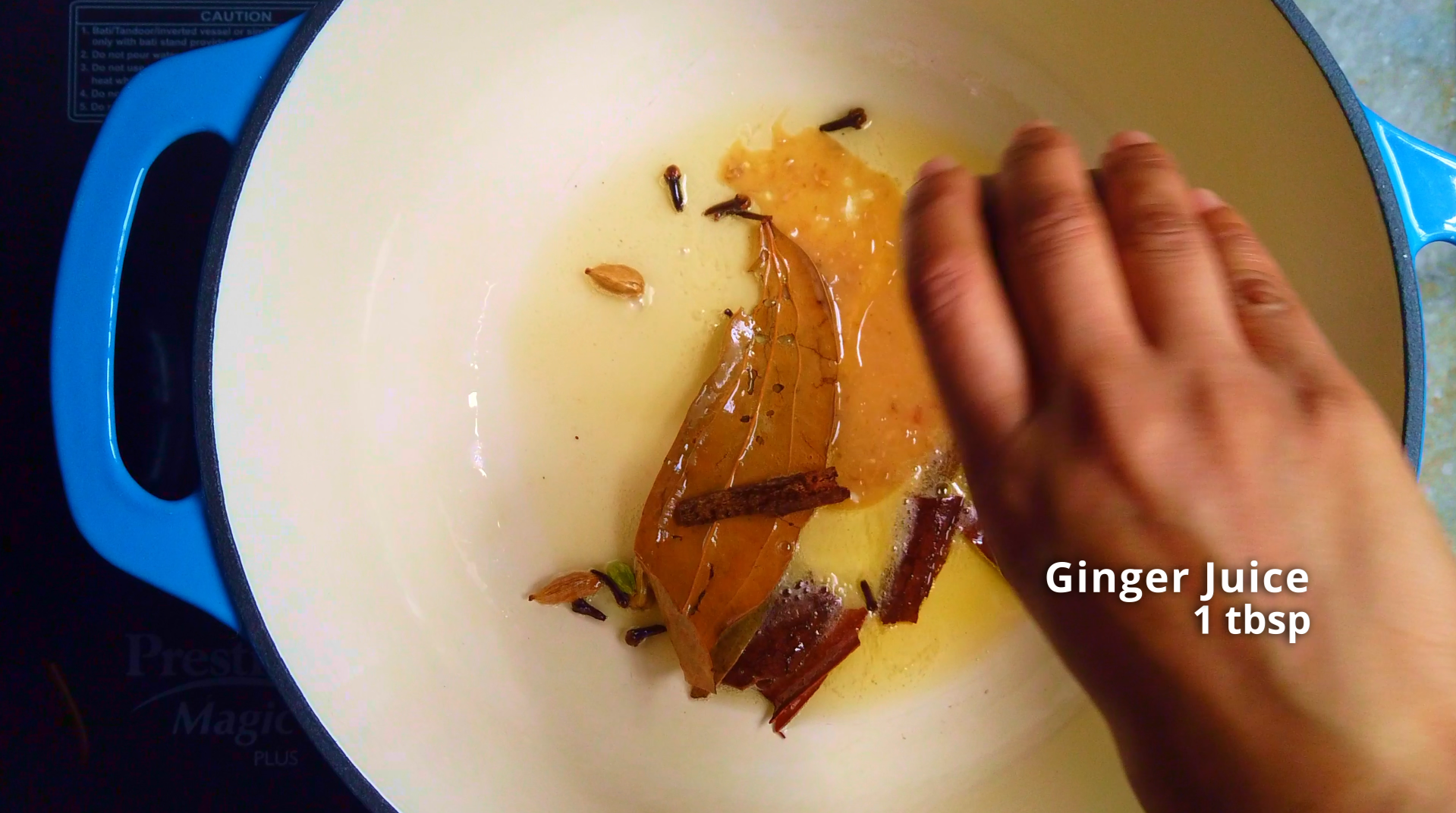
- Step 11: Add Ginger juice and sautée for few minutes.
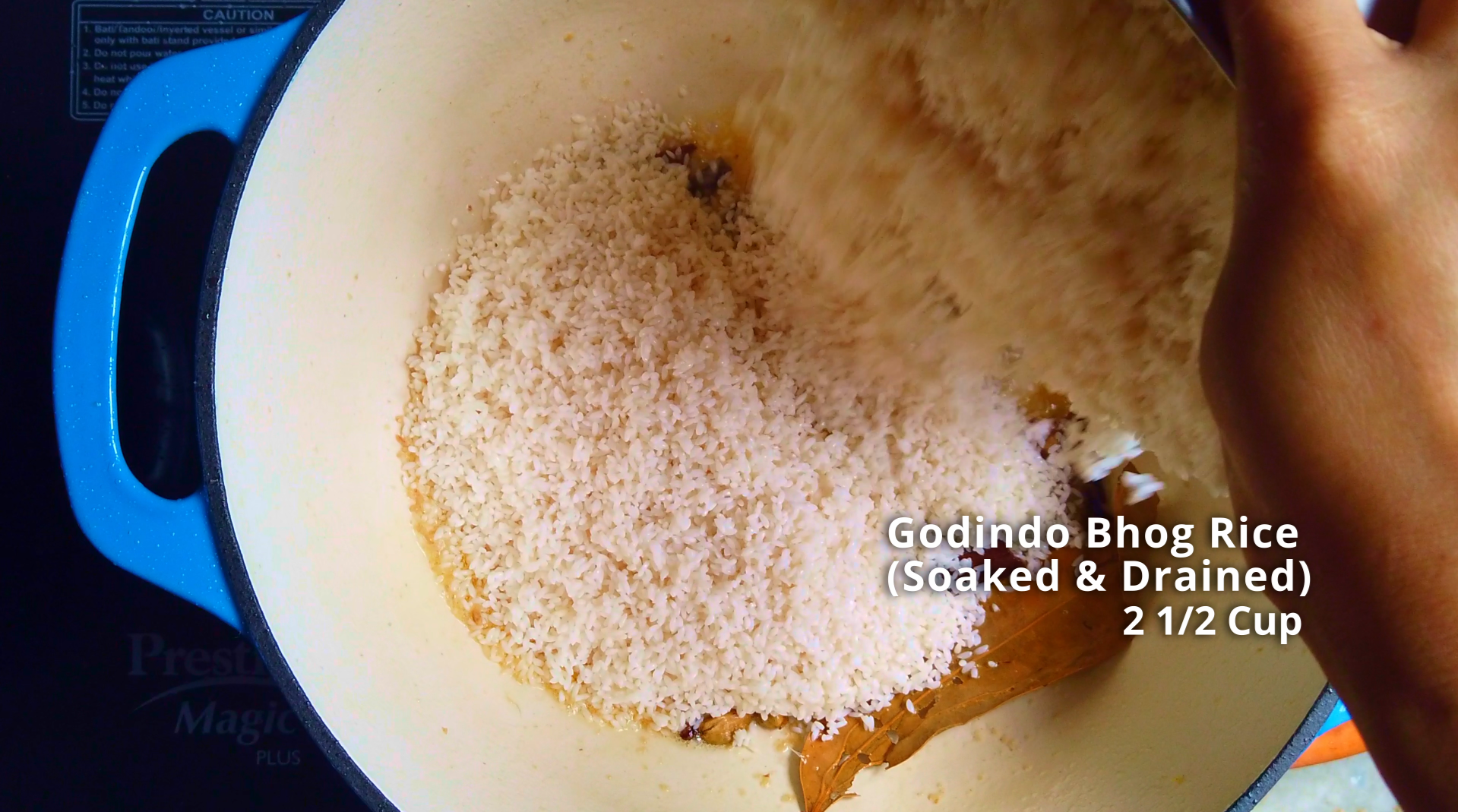
- Step 12: Now add the soaked rice and fry, stirring constantly, for 6-8 minutes or until the rice turns from glossy to opaque. Frying the rice helps to break down the starch for a fluffier pulao and enhance the flavour.
- Step 13: Add the red chilies and slitted green chilies, stir to combine.
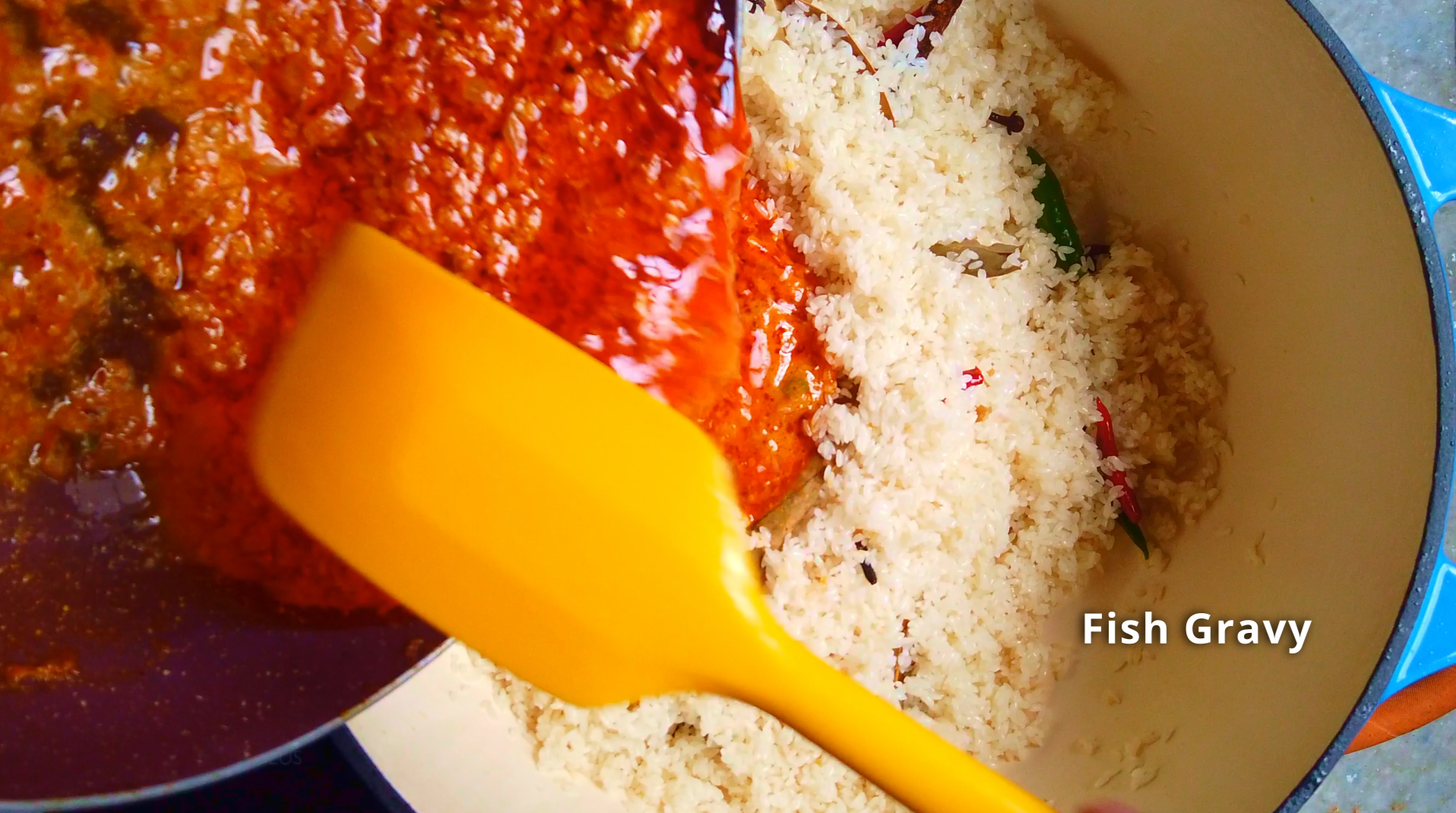
- Step 14: Add reserved fish gravy, stir to combine.
- Step 15: Add warm water, 1st extract of coconut milk, 2nd extract of coconut milk, salt to taste and sugar, stir to combine.
- Step 16: Cover and cook on lowest possible heat for 10 minutes.

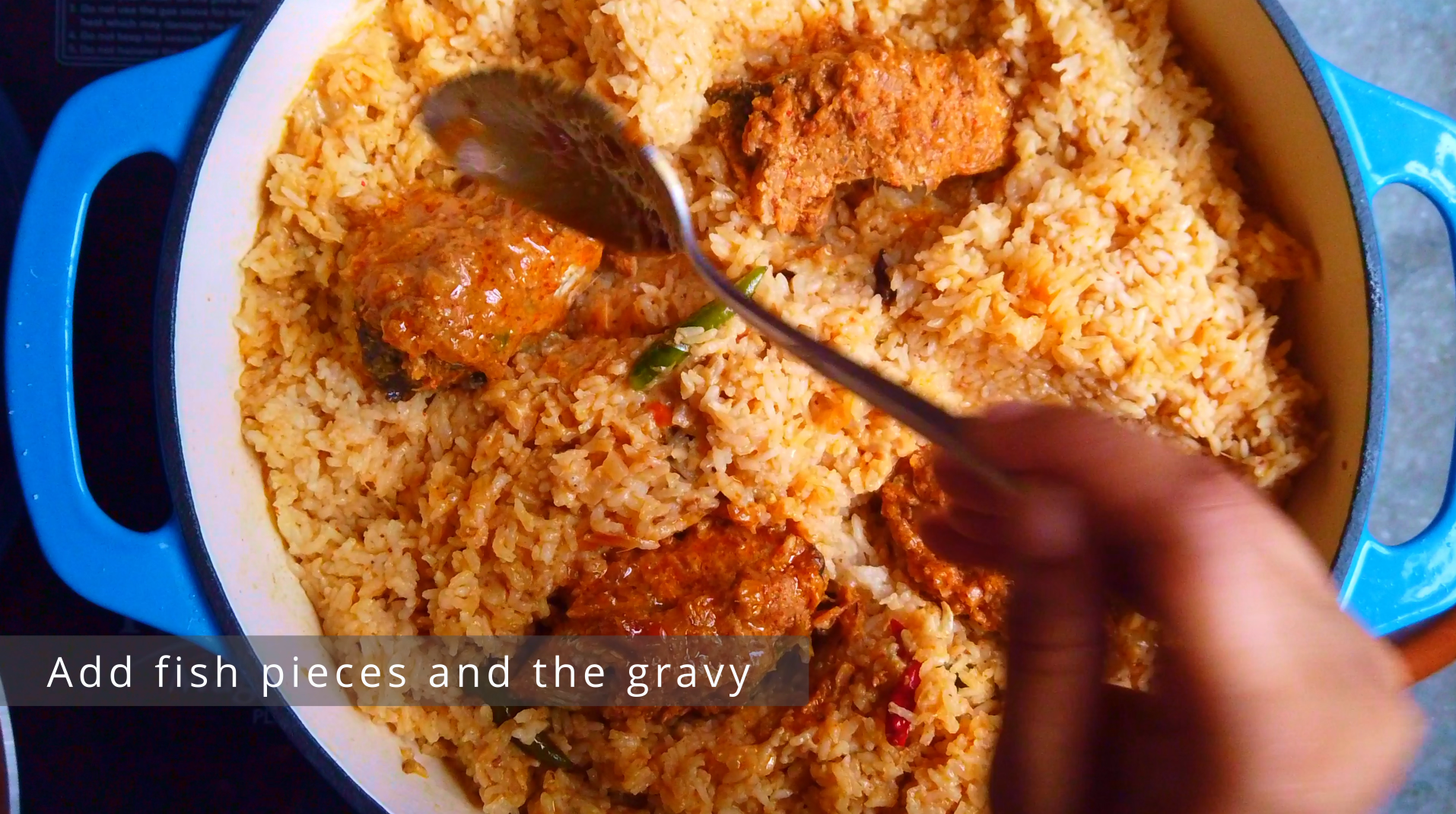
- Step 17: Stir to combine the pulao, add fish pieces and the gravy. Then add birista and 2 tbsp ghee.
- Step 18: Cover with lid and cook on lowest possible heat for 15 minutes.

- Step 18: Let the pulao rest for 5 minutes before serving. Serve hot with cucumber & onion salad. Enjoy!!
Pro Tips:
To prepare a flawless ilish pulao, start with a large hilsa weighing over 1 kg for richer flavour and better texture.
Stick to short-grain aromatic rice like Gobindo bhog or Chinigura- basmati won’t do justice.
Go easy on spices, hilsa’s natural flavour should shine through.
Since the fish is quite delicate, handle with utmost care during frying to avoid breakage.
Never overcook hilsa, it loses its signature softness.
Lastly, always use hot water while cooking the pulao to maintain proper grain texture and consistency. These simple yet essential tips ensure a dish that’s truly memorable.
About Me

DEBJANI MONDAL
Welcome to Kitchenstagram, the home of delicious recipes, culinary inspiration and cooking adventures. I’m Debjani and I’m thrilled to be your guide through the wonderful world of food. I’m a self-taught professional baker, home chef, recipe developer, author of Kitchenstagram and an aspiring YouTuber.
My passion for food and cooking began at a very young age, when I would watch my mom and dad cook for me and my brother. My dad, in particular is a great cook whose culinary skills made a lasting impression on me. My dad would cook up a storm on special occasions by cooking variety of dishes, from delicious biriyani to samosa, fish fry, rasgullas and kachoris (sweet & spicy deep fried pastry with filling of lentils, meat or fish…>>>>>
FOLLOW ME
My Latest Posts
- post 1
- post 2