

Opor Ayam | Indonesian Coconut Chicken Curry | Kitchenstagram
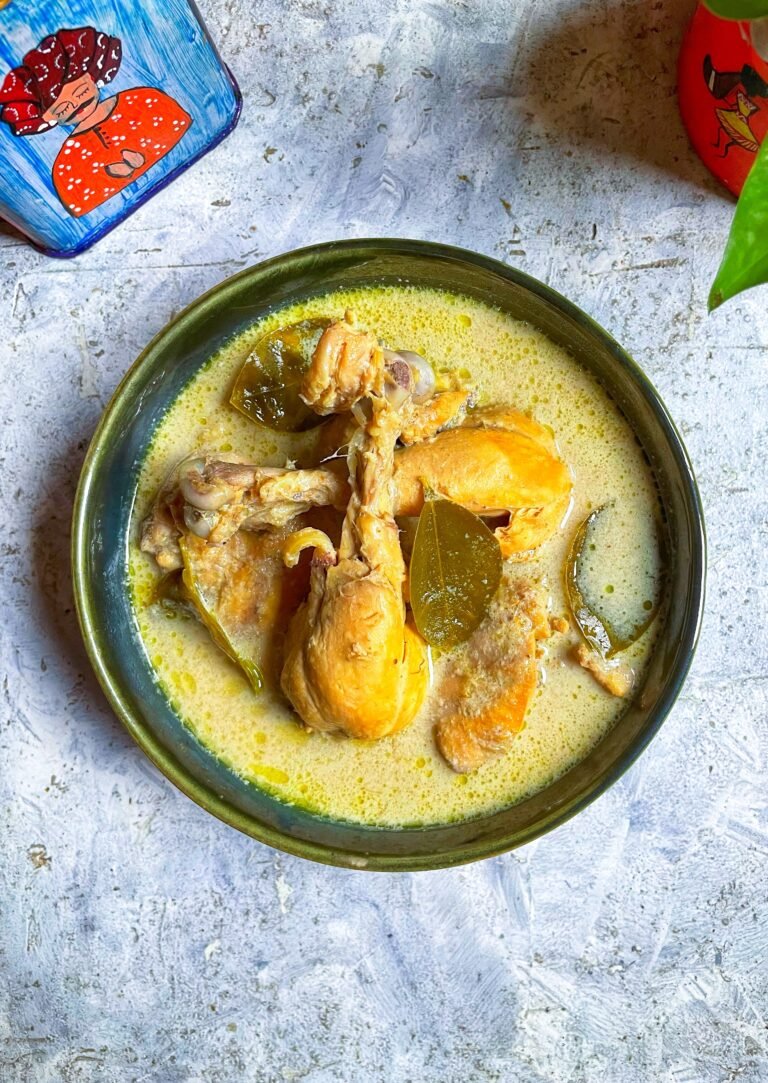
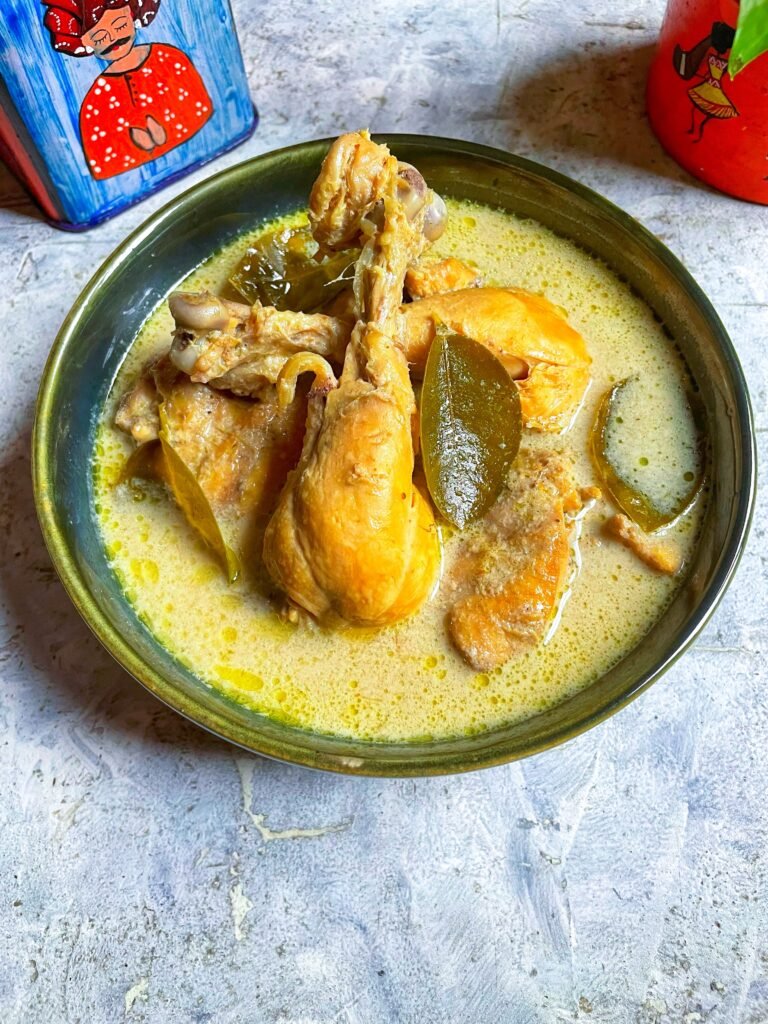
Opor Ayam is a comforting Indonesian chicken dish gently braised in a rich, creamy coconut-based sauce. Sitting somewhere between a curry and a stew, it features a silky, aromatic broth that pairs perfectly with steamed rice, making it a satisfying meal for both everyday dinners and special occasions.
The dish originates from Central Java, the Indonesian island that is home to nearly half of the country’s population. The word “opor” refers to the traditional cooking technique of slowly braising ingredients in a coconut-based broth, while “ayam” simply means chicken. Although chicken is the best known version, there are many variation, including combination with eggs, duck, tofu and other vegetarian ingredients.
Depending on the region and family recipe, Opor Ayam may appear in two different styles. The classic white version has a pale creamy appearance, while Opor Ayam Kuning includes turmeric, giving the sauce its distinctive golden-yellow colour. Both versions remain equally popular through Indonesia.
The exact origin of Opor Ayam are uncertain. One theory suggests it was once prepared by the Javanese nobility as an offering for their rules during the pre-Islamic era, though this has not been confirmed. Today, it is closely associated with Eid al-Fitr celebrations, yet it is also enjoyed as a comforting everyday meal across the country.
Infused with fragrant Indonesian aromatics such as lemongrass and lime leaves, Opor Ayam delivers plenty of flavour without intense heat. Its mild, creamy taste makes it an excellent choice for children and anyone who prefers gentle aromatic dishes over spicy curries.
Ingredients needed for Opor Ayam:
The rich flavour of Opor Ayam comes from a combination of fresh aromatics and traditional Indonesian pantry staples. Using the freshest ingredients wherever possible will give the dish its authentic taste and fragrant coconut-based broth.
Chicken: Chicken is the star of this dish. Use with bone chicken pieces preferably thigh and leg.
Galangal: Galangal has a distinctive citrusy, peppery aroma that is commonly used in Indonesian cooking. If galangal is unavailable use extra fresh ginger as the closest substitute.
Ginger, Garlic & Shallots: Fresh ginger, garlic and shallots form the aromatic base of the dish. These ingredients are easy to find in most supermarkets and using fresh rather than dried versions provides the best flavour.
Macadamia Nuts / Candlenuts: Candlenuts are widely used in Indonesian cuisine to add body and richness to spice pastes. Since they can be difficult to outside Southeast Asia, macadamia nuts make the best alternative and provide a similar creamy texture.
Spices: Coriander, cumin and white pepper adds gentle warmth and a subtle aromatic note that complements the other spices.
Lemongrass: Lemongrass adds its signature lemon-like aroma to the broth. Unlike recipes where it is finely chopped or blended, this dish uses sections of the stalk to gently infuse the cooking liquid. The stalks are now widely available in many supermarkets.
Makrut Lime leaves: Also known as Kaffir lime leaves, these contribute a fresh, citrusy fragrance to the broth. Fresh leaves are strongly recommended, as dried ones do not provide the same flavour. If fresh leaves are unavailable, a small amount of lime zest can offer a similar bright zesty note.
Bay Leaf: Traditionally Indonesian bay leaf is used. These differ from regular bay leaves, offering a flavour somewhere between traditional bay leaves and curry leaves. If they are unavailable, a regular bay leaf can provide some aromatic depth, while a couple of curry leaves are a closer substitute- but use them sparingly, as their flavour can become overpowering.
Coconut Milk: I prefer to use fresh coconut milk. But feel free to use canned coconut milk, use good quality full fat coconut milk, avoid low-fat varieties, as they lack the richness needed for the authentic texture and flavour.
Serving suggestions:
Opor Ayam is best enjoyed with steamed ice or traditional rice cakes (lontong), both of which are perfect for soaking up the rich, coconut-based broth. To finish the dish, sprinkle crispy fried shallots over the top. They add a delicious crunch along with an extra layer of flavour that complements the creamy sauce beautifully.
Storage Tips:
This dish is ideal for batch cooking and can be stored in the refrigerator or fridge for later meals.
Ingredients:
For Spice Paste:
2-3 stalks of Lemongrass
2 tsp Coriander Seeds
1 tsp Cumin Seeds
1 tsp White Peppercorn
1/2 tsp Nutmeg, grated
5-6 nos. Macadamia nut
1 tbsp Galangal, sliced
1 inch Fresh Ginger, sliced
5-6 nos. Garlic clove
2 nos. Shallot
For The Curry:
1 kg Chicken legs & thigh
2 tbsp Vegetable Oil
2-3 nos. Bay leaf
2-3 nos. Lemongrass stalk
4 nos. Shallot, sliced
4-6 nos. Lime leaves
2 cups water
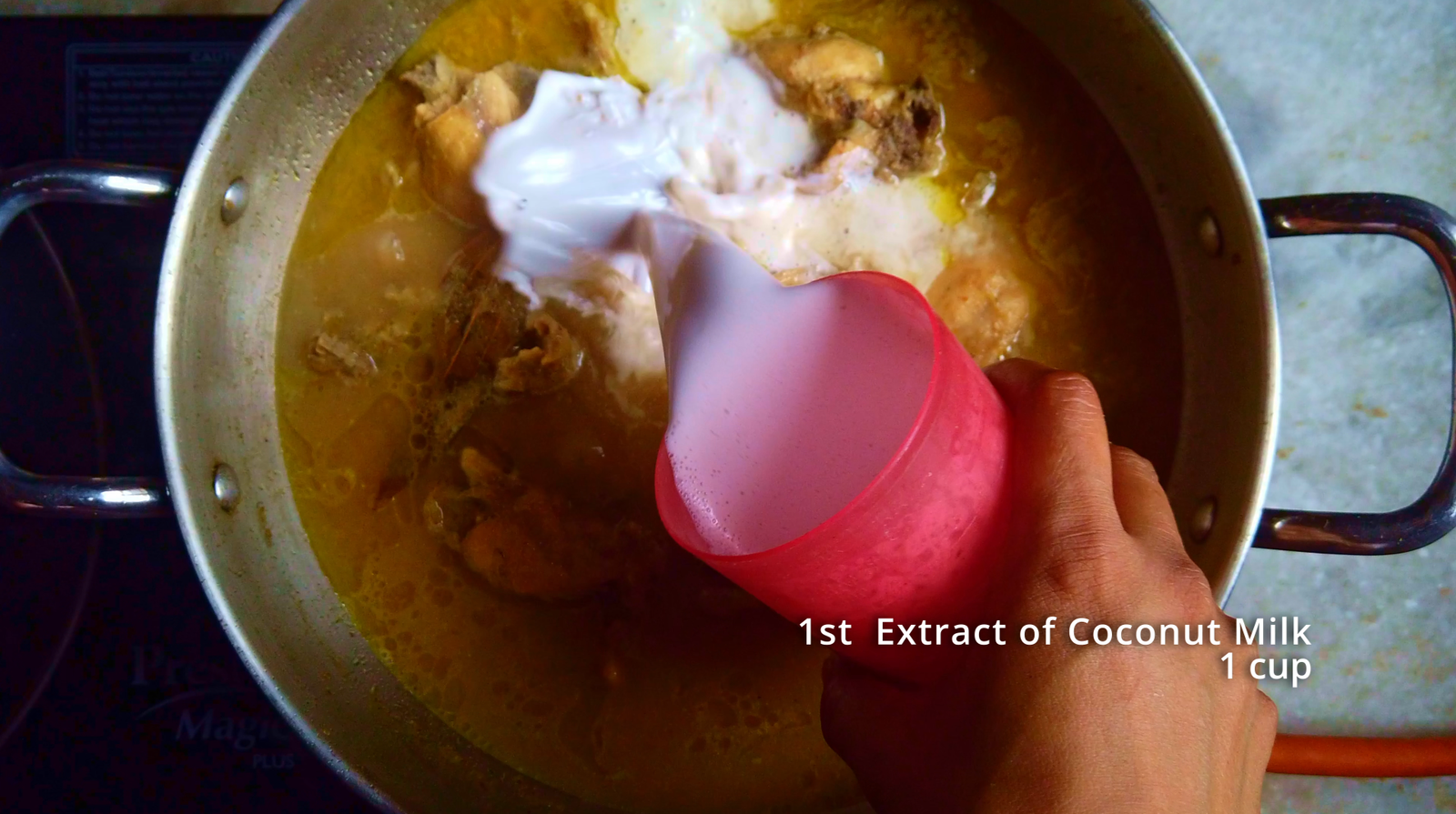
1 cup 1st Extract of Coconut Milk
1 cup 2nd Extract of Coconut Milk
2 tbsp Chicken Bouillon
Salt to taste
1 tsp Sugar
Fried Shallots, for garnish
Preparation:
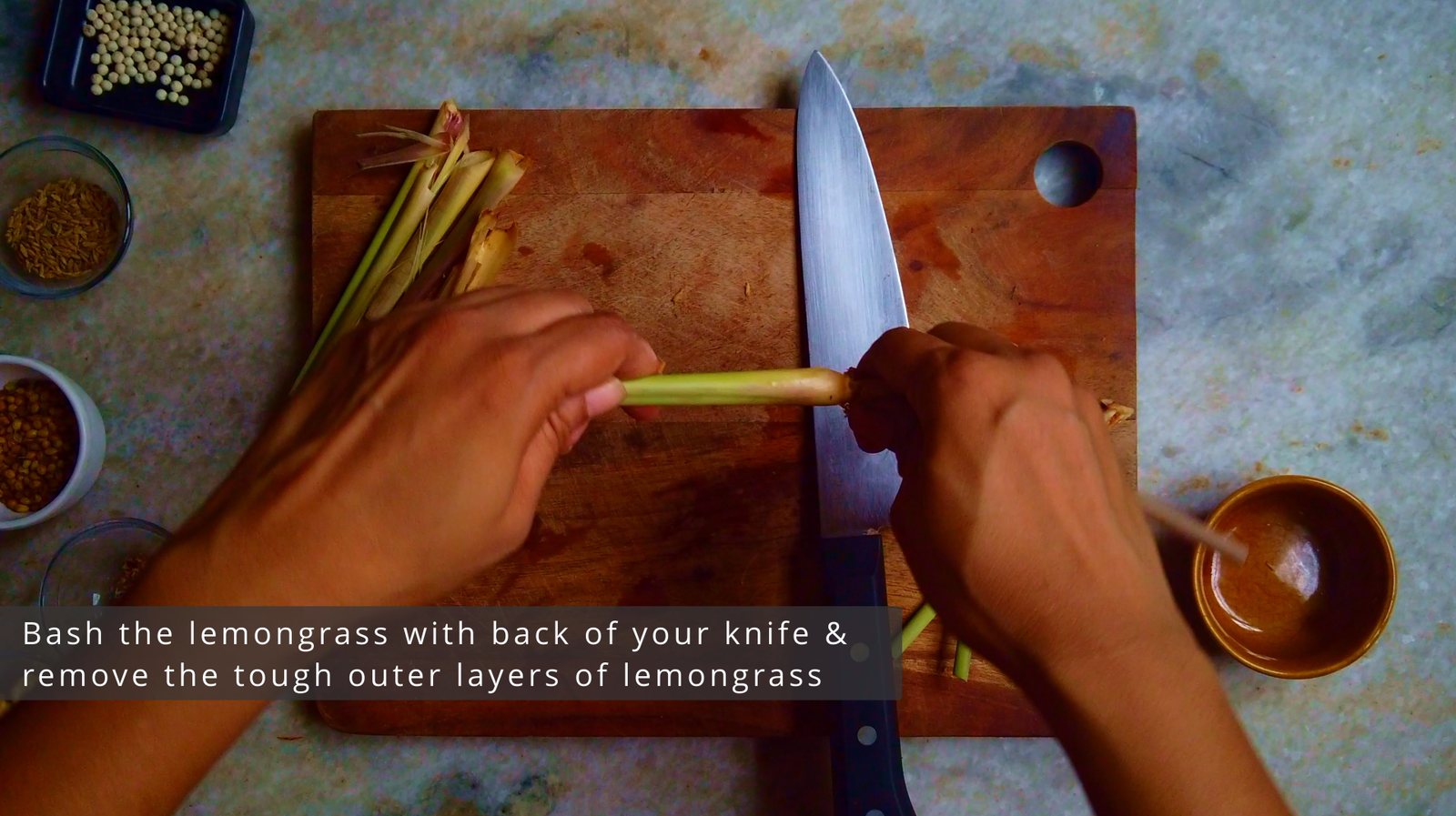
- Step 1: Use back of your knife to bash the lemongrass and remove the tough outer layers of lemongrass and cut off the bulb. Then thinly slice the fleshier, tender part of the lemongrass.
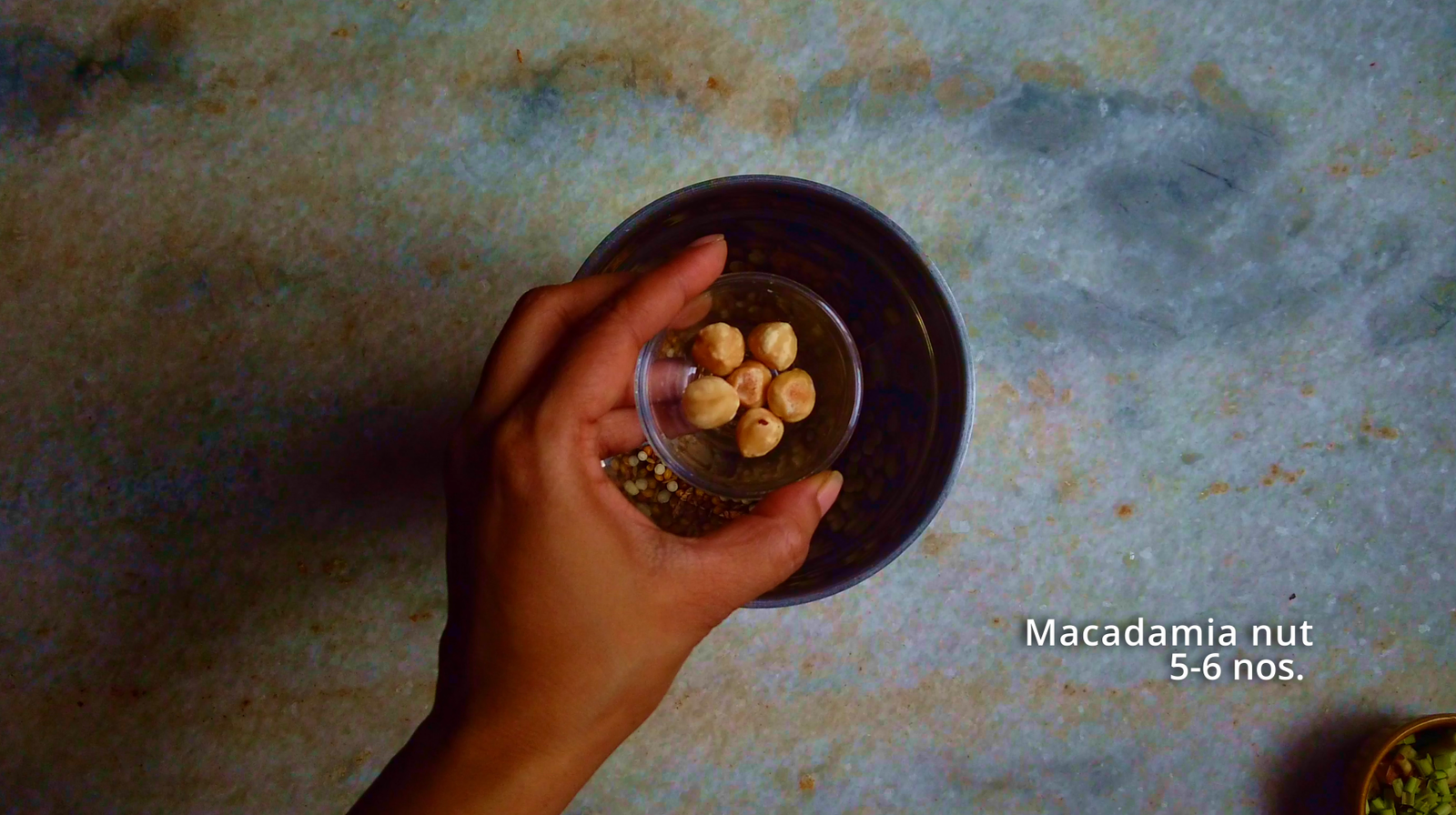
- Step 2: In the grinder jar add coriander seeds, cumin seeds, white peppercorn, grated nutmeg and macadamia nut, grind them into a fine powder.
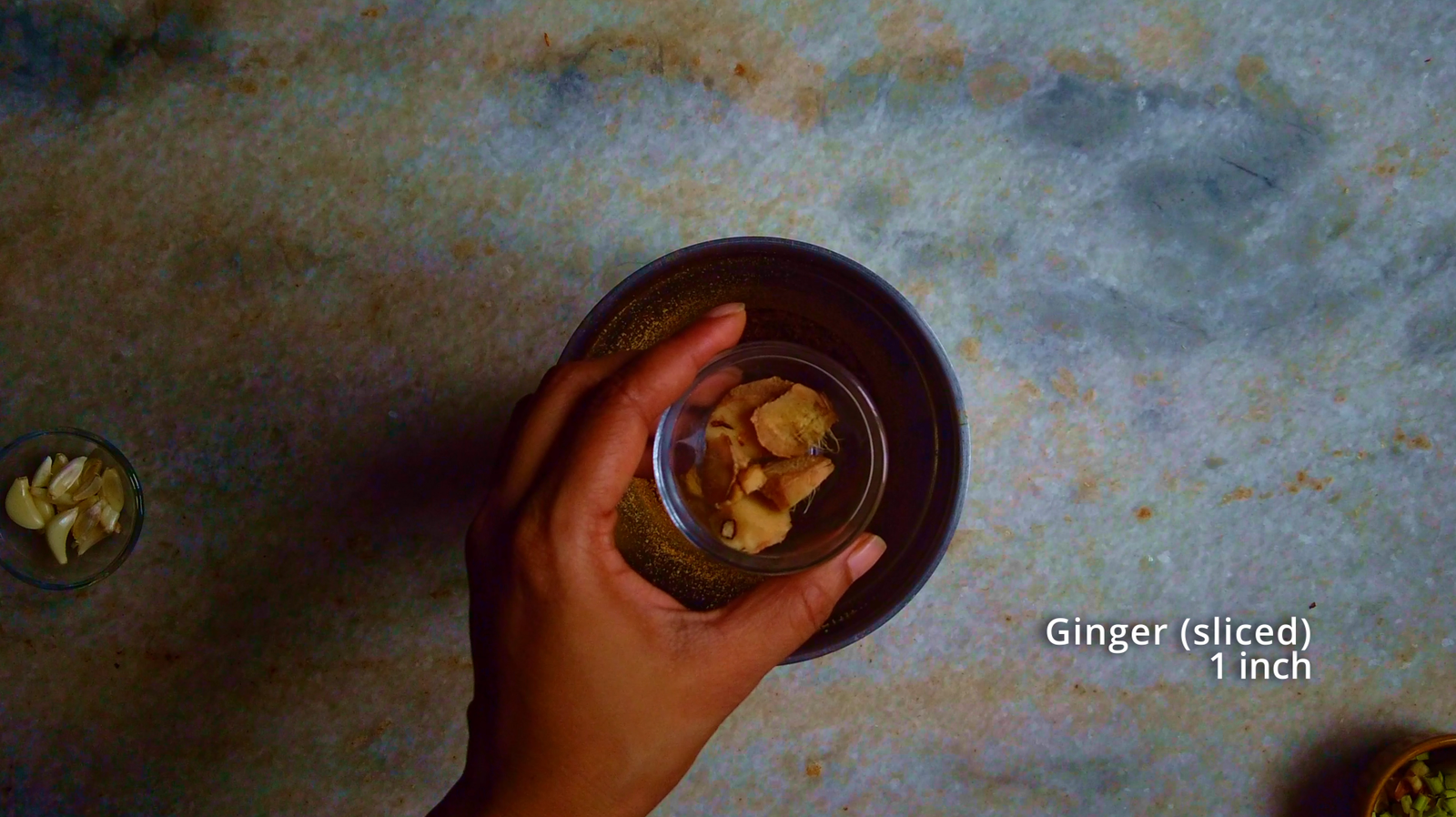
- Step 3: Now, add sliced galangal, sliced ginger, garlic cloves chopped lemongrass and shallot in the grinder jar. Grind along with some water until you get a smooth paste.
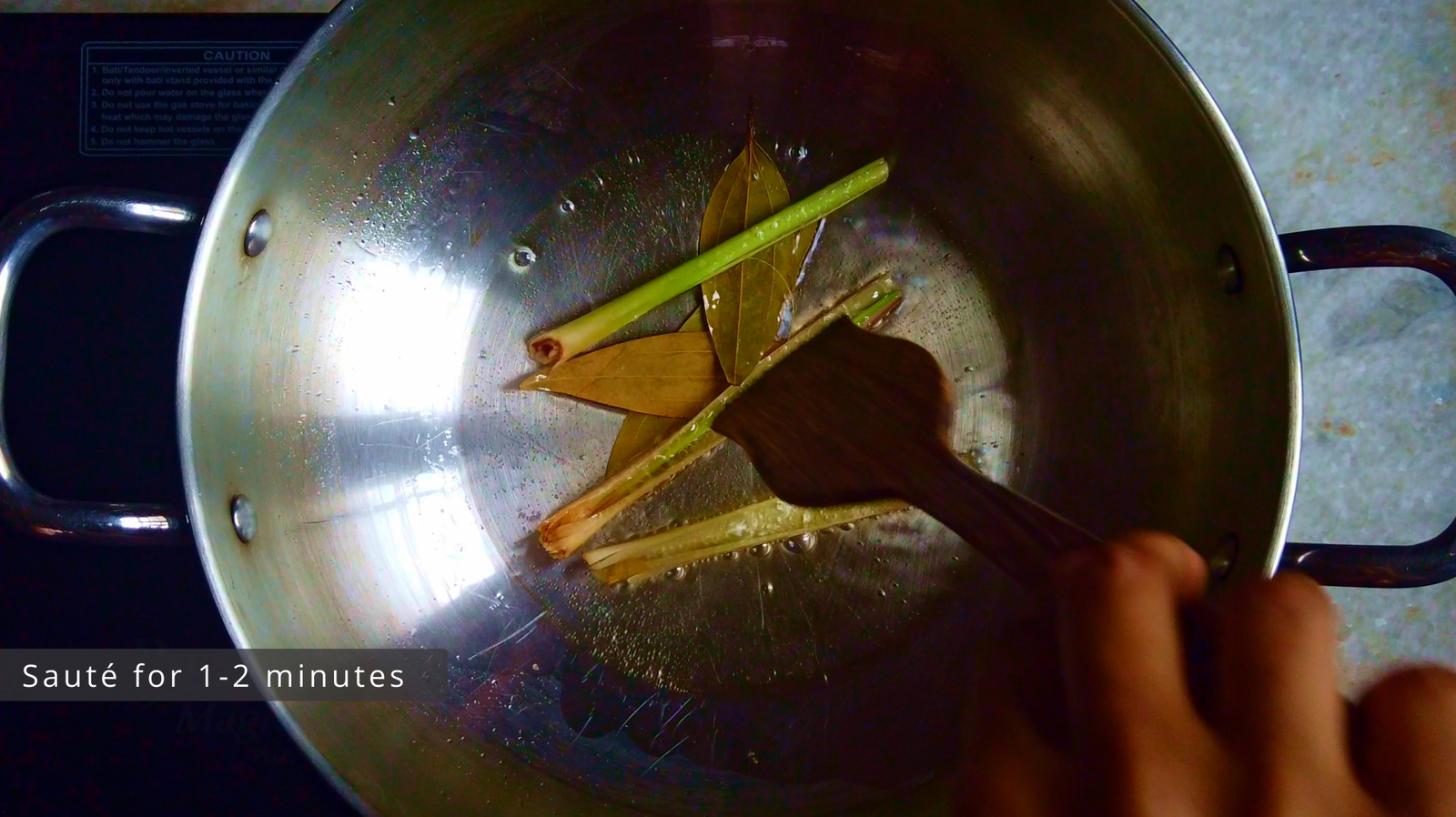
- Step 4: Heat oil in a heavy bottom wok. Add the bay leaves and lemongrass stalk, sauté for 1-2 minutes.
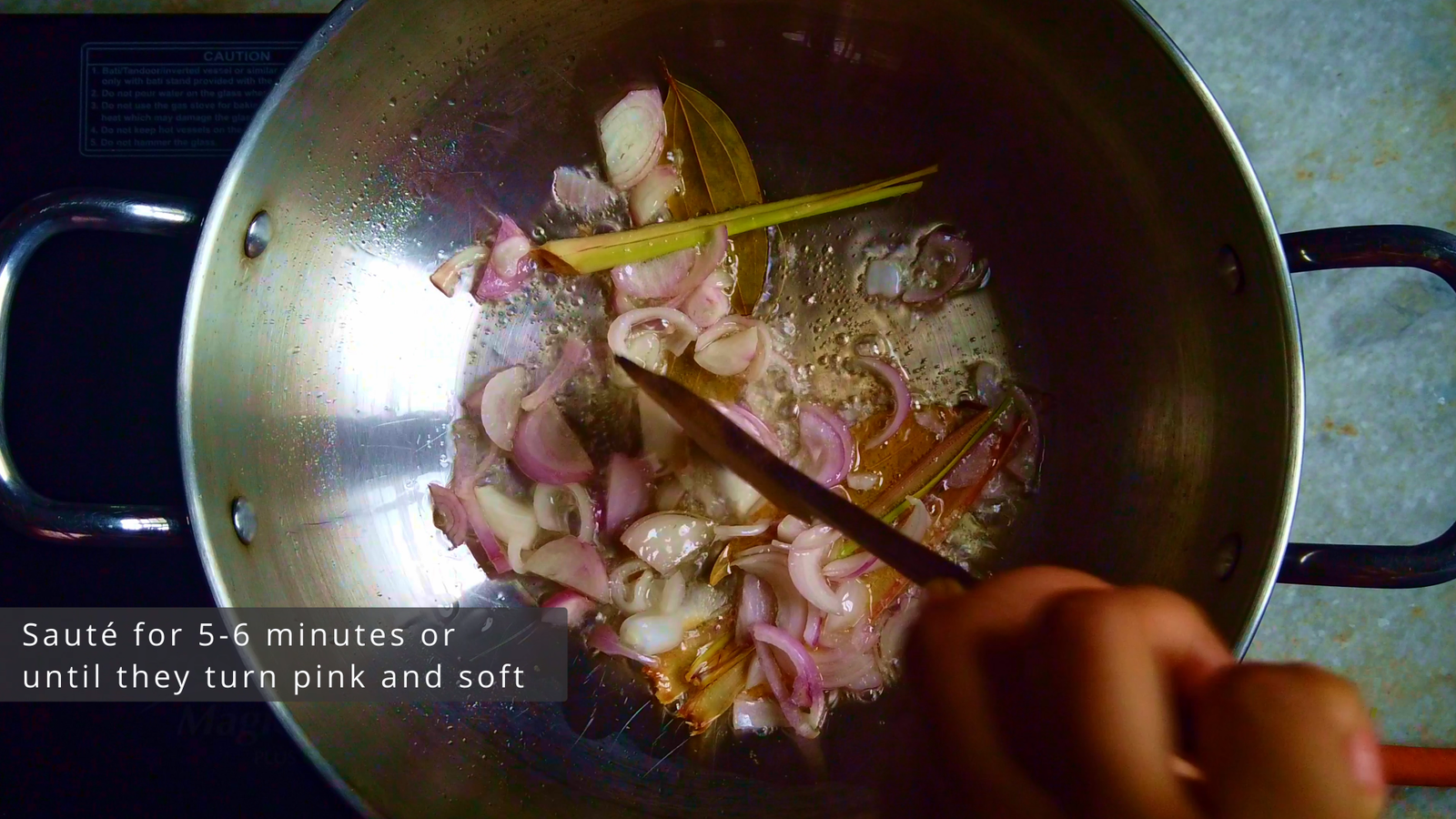
- Step 5: Add sliced shallots and sauté for 5-6 minutes or until they turn pink and soft.
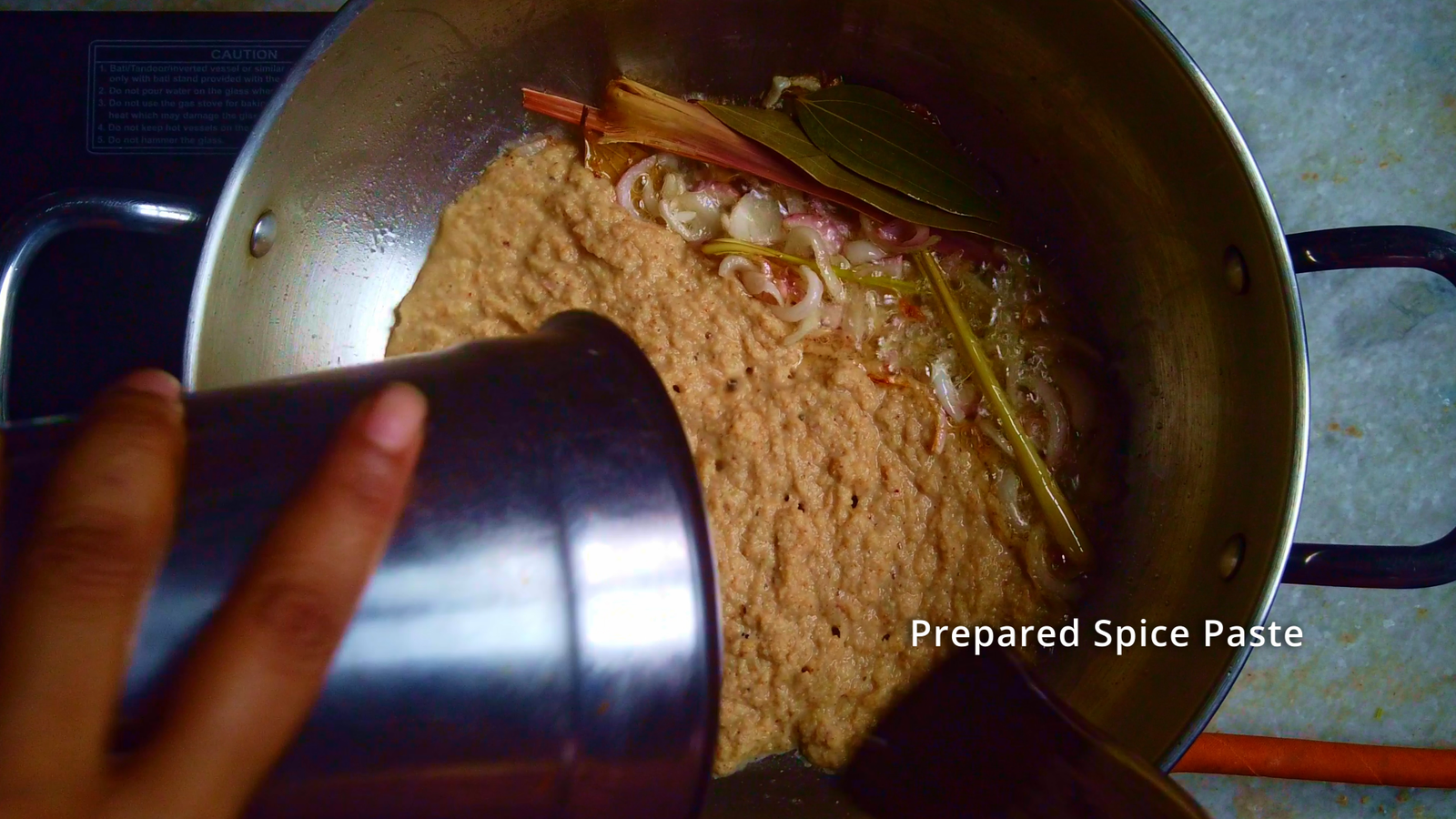
- Step 6: Add the prepared spice paste and cook stirring constantly over medium heat for 4-5 minutes or until the paste become aromatic and cooked. Add the lime leaves and cook for a minute.
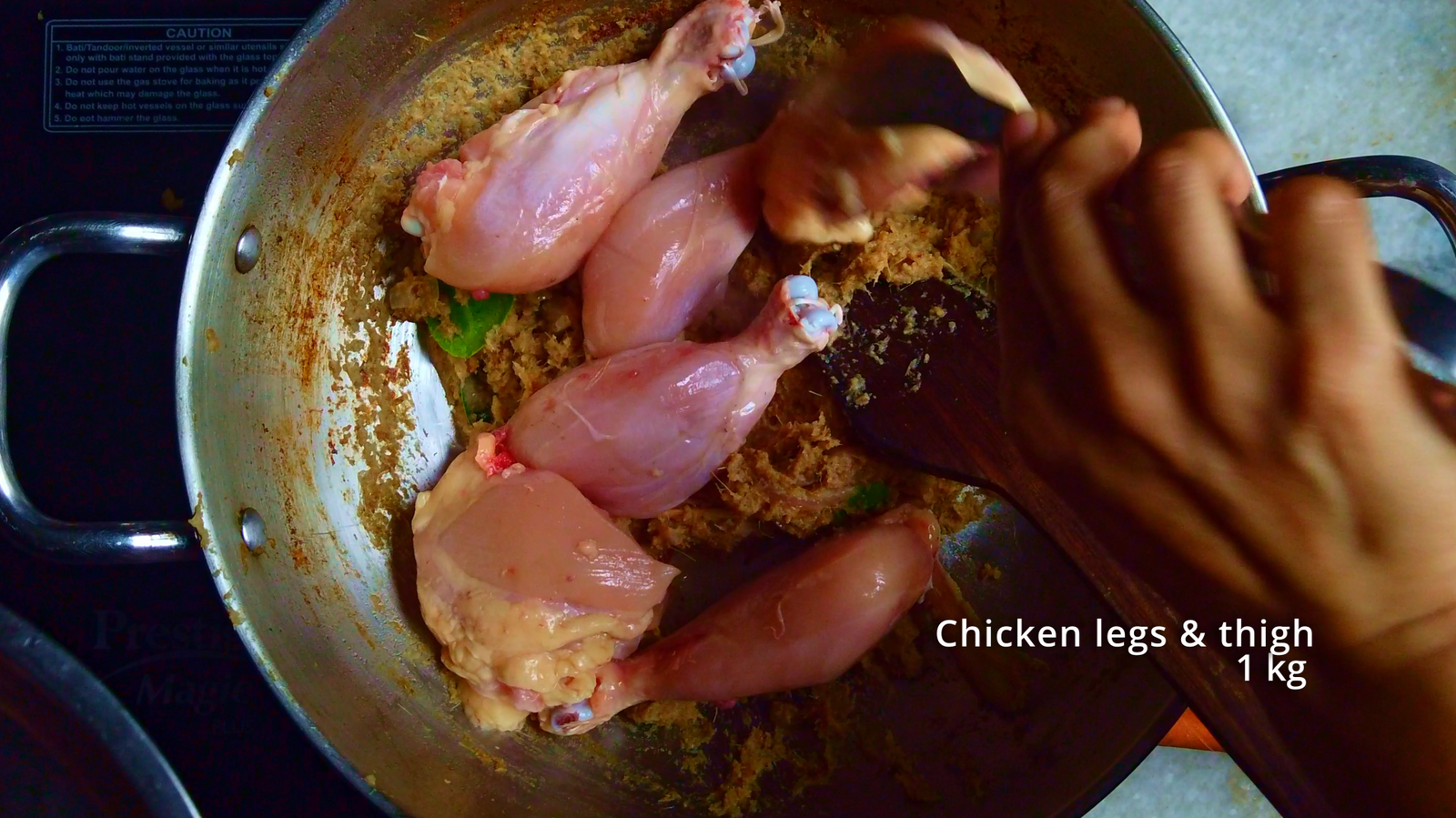
- Step 7: Add the chicken and cook for few minutes, so the chicken is gently cooked and no longer pink.
- Step 8: Add water, 2nd Extract of Coconut Milk, chicken bouillon, salt to taste and sugar, stir to combine.
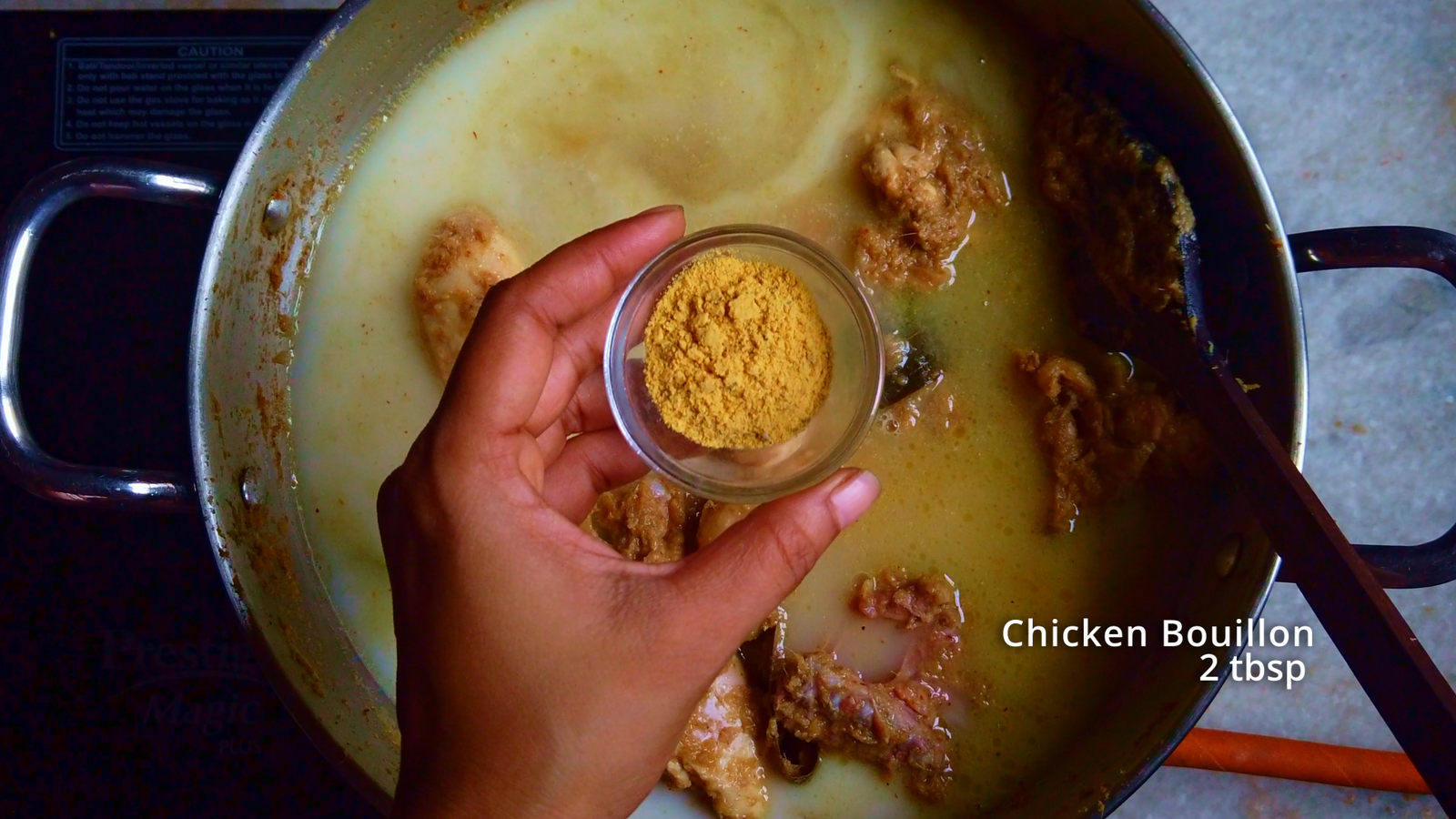
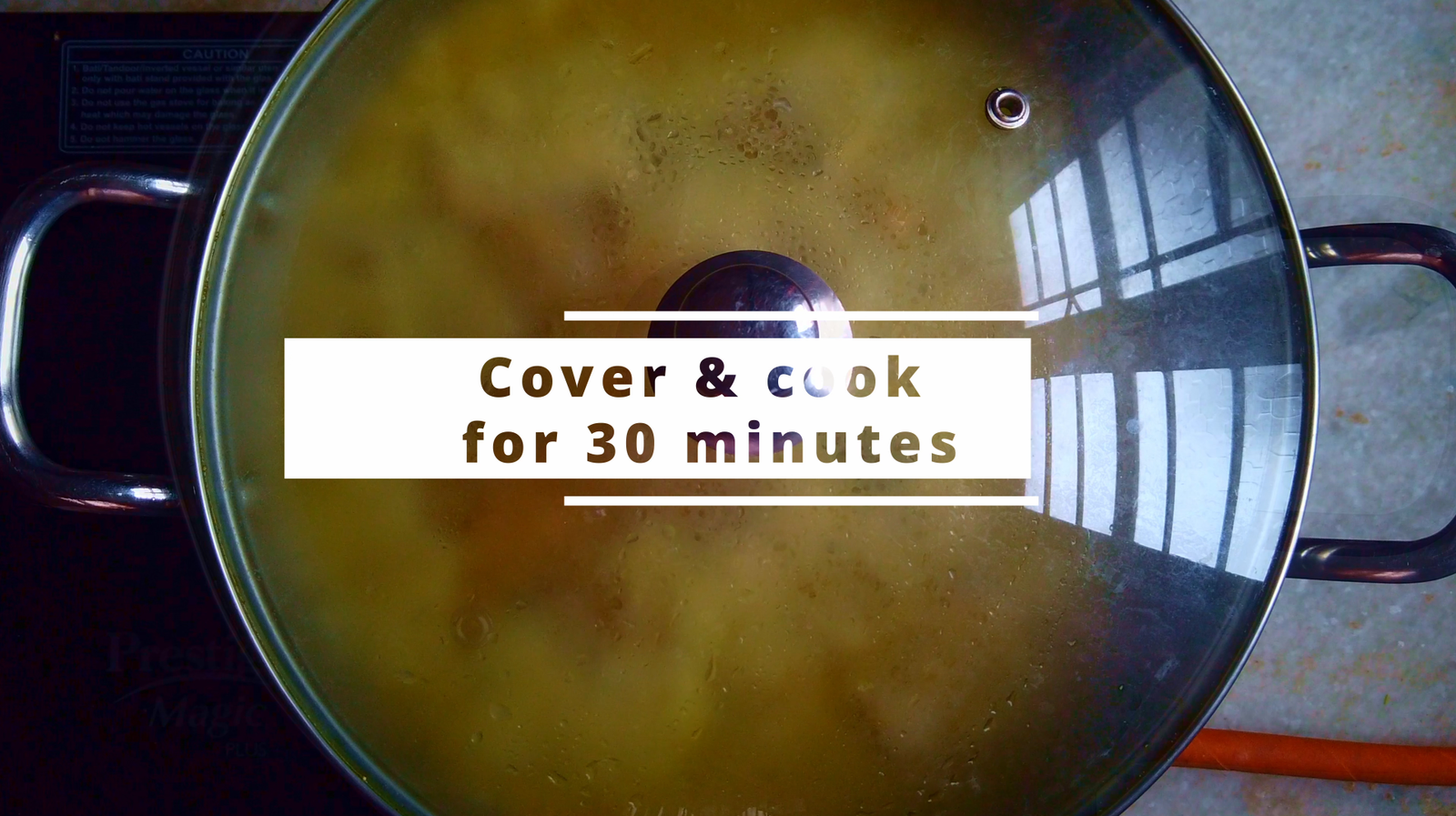
- Step 9: Bring the curry to a boil. Cover and cook for 30 minutes until the chicken is cooked through.
- Step 10: Once the chicken is cooked add 1st Extract of Coconut Milk and simmer the curry on low heat for 2-3 minutes. Turn off the heat.
- Step 11: Garnish with fried shallots. Serve hot with steamed rice or rice cakes and enjoy!!
About Me

DEBJANI MONDAL
Welcome to Kitchenstagram, the home of delicious recipes, culinary inspiration and cooking adventures. I’m Debjani and I’m thrilled to be your guide through the wonderful world of food. I’m a self-taught professional baker, home chef, recipe developer, author of Kitchenstagram and an aspiring YouTuber.
My passion for food and cooking began at a very young age, when I would watch my mom and dad cook for me and my brother. My dad, in particular is a great cook whose culinary skills made a lasting impression on me. My dad would cook up a storm on special occasions by cooking variety of dishes, from delicious biriyani to samosa, fish fry, rasgullas and kachoris (sweet & spicy deep fried pastry with filling of lentils, meat or fish…>>>>>
FOLLOW ME
My Latest Posts
- post 1
- post 2