
How to make Hiyashi Chuka | Japanese Cold Ramen | Kitchenstagram

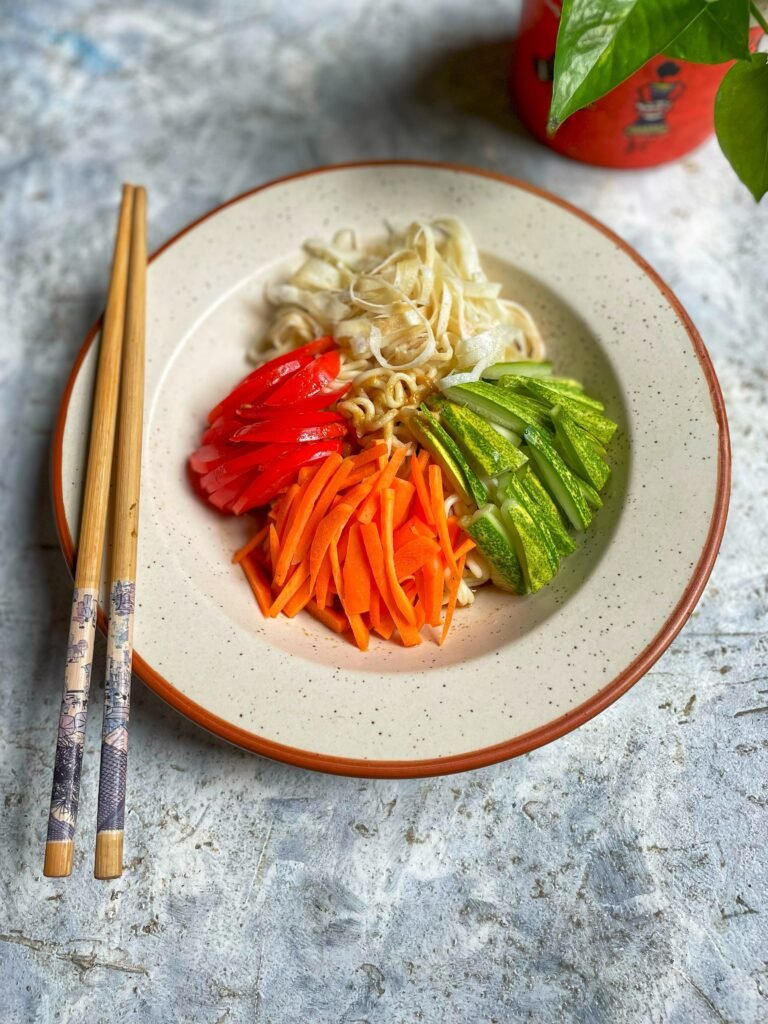
Hiyashi Chuka, also known as Japanese Cold Ramen, is a refreshing noodle dish enjoyed throughout Japan during the hot summer months. This colourful recipe features chilled ramen noodles tossed in a homemade soy-based dressing and topped with egg ribbons, carrot, cucumber and tomato. Light, vibrant, and full of contrasting textures, it’s an easy meal that’s perfect for warm days.
One of the best things about Hiyashi Chuka is its versatility. If you’re vegetarian, simply omit the ham and egg. For a vegan version, add tofu or your favorite fresh vegetables. The customizable toppings make this cold ramen recipe easy to adapt while maintaining its refreshing appeal. Every bowl delivers a wonderful balance of flavours and textures. Refreshing, slightly tangy and satisfying, Hiyashi Chuka makes an excellent summer lunch, light dinner or make-ahead meal.
The name Hiyashi Chuka literally means “Cold Chinese-style.” Despite the name, it has become a beloved Japanese summer speciality. The dish consists of chilled Chinese-style alkaline wheat noodles served with colourful toppings and finished with a sweet, savory, nutty and tangy soy-based tare dressing. In Japan’s Kansai region, it is often called reimen (‘chilled noodles”), while in Hokkaido it is known as hiyashi ramen (“chilled ramen”).
The history of Hiyashi Chuka dates back to 1937, when the Chinese restaurant Ryutei in Sendai introduced the dish as a Japanese adaptation of the Shanghainese cold noodle dish liangbanmian, meaning “chilled mixed noodles.” It was first sold under the borrowed Chinese name ryanbanmyen, before the name Hiyashi Chuka became widely established across Japan in the late 1950s. Today, this Japanese cold ramen remains one of the country’s most popular seasonal noodle dishes, celebrated for its refreshing taste, colourful presentation and endless topping possibilities.
Ingredients needed for Hiyashi Chuka:
Ramen Noodles: Hiyashi Chuka uses the same ramen noodles prepared for hot ramen, making them easy to find. They are commonly sold as dry, yellow noodle blocks in most supermarkets and Asian grocery stores. If you’re interested in learning more, an Asian noodle guide is a great way to understand the different varieties available.
Eggs: Eggs are a staple in Japanese cooking, appearing in dishes such as Tamago Sando, Omurice, Tamagoyaki and the classic Ajitsuke Tamago served with ramen. For Hiyashi Chuka, the eggs are cooked into a thin omelet, then slice into delicate strips. It’s a different preparation that adds both flavour and visual appeal.
Cucumber, Carrot and Tomatoes: These vegetables are ideal for a chilled noodle dish. They provide crisp texture, refreshing flavour and vibrant colour that perfectly complement the cold ramen. Their fresh qualities make them especially popular ingredients during the summer months.
Soy Sauce: Since Hiyashi Chuka is served without broth, the sauce becomes the key element that ties everything together. Soy sauce forms the base, offering the right amount of saltiness to balance the sweeter components of the dressing while enhancing the overall flavour.
Rice Vinegar: White rice vinegar contributes the bright, tangy note that balances the sweet, salty and slightly spicy flavours of the sauce. It is the preferred choice over black rice vinegar, which has a deeper flavour and is better suited for dishes like dim sum rather than light dressings.
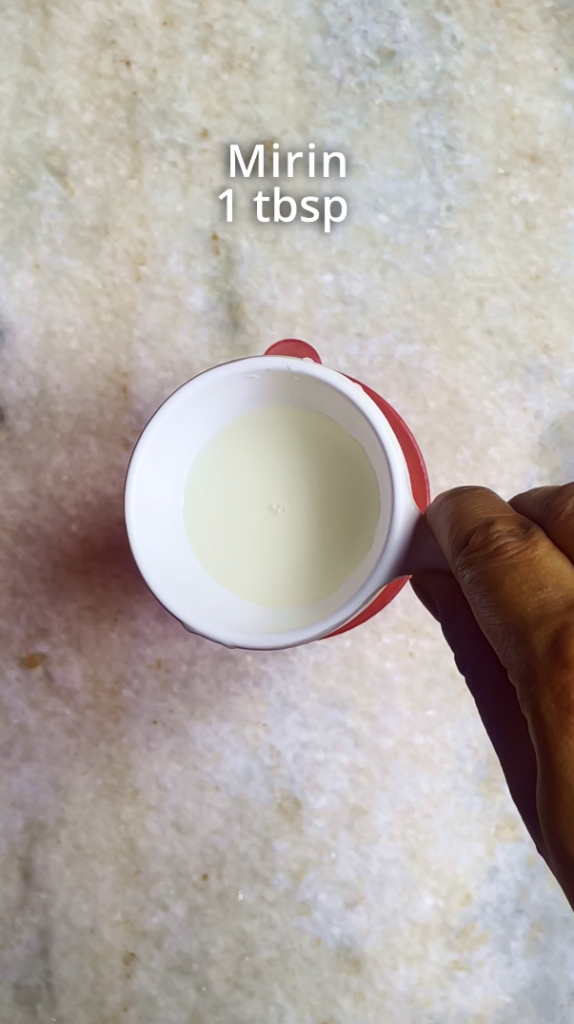
Mirin: Mirin is added to balance the sharp tang of vinegar and often the heavy saltiness of soy sauce.
Sesame paste: Sesame paste gives the dressing a rich, nutty depth. Paired with sesame seeds, it creates a classic combination that adds both flavour and aroma to the finished dish.
Lemon Juice: Lemon juice gives Hiyashi Chuka a bright citrus aroma while boosting freshness. It lightens the cold soy-based dressing, making every bite crisp and refreshing, especially during hot summer days.
Ginger Juice: Ginger juice adds a clean, aromatic sharpness to the soy and vinegar based dressing. It cuts through the richness of the sesame paste, balances the sweet and sour flavours and provides a refreshing, cooling warmth that suits this chilled Japanese ramen perfectly.
Sugar: A small amount of sugar balances the tanginess of the dressing, creating a well-rounded flavour.
Storage Tips:
Store the leftover sauce and toppings separately in airtight containers in the refrigerator for up to 2 days. For the best texture and freshness, prepare the noodles just before serving.
Ingredients
Cooked Ramen Noodles, cold
For Sauce:
2 tbsp Water
2 tbsp Rice Vinegar
2 tbsp Soy Sauce
1 tbsp Mirin
1 tsp Lemon Juice
1 tsp Ginger Juice
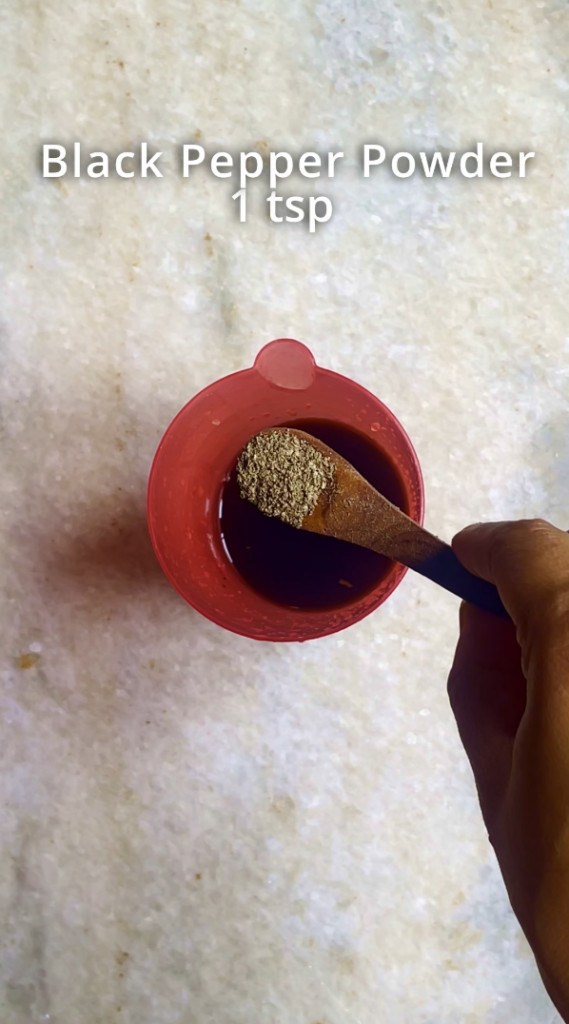
1 tsp Black Pepper Powder
2 tbsp Sugar
1 tbsp Sesame Paste
For Toppings (Adjust as desire)
Egg
1 no. Cucumber, julienned
1 no. Tomato, sliced
1 no. Carrot, julienned
Preparation
- Step 1: Bring a large pot of water to a boil. Then cook the noodles according to the package instructions, drain and rinse thoroughly under cold water. Immediately place the noodles into a bowl of ice water to firm them up and enhance their chew. Drain thoroughly and set aside.
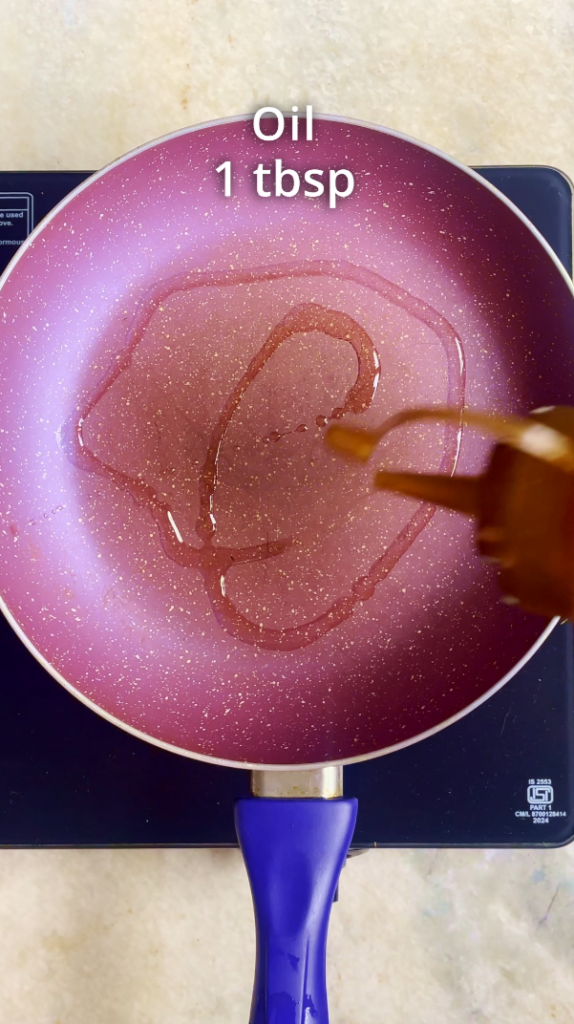
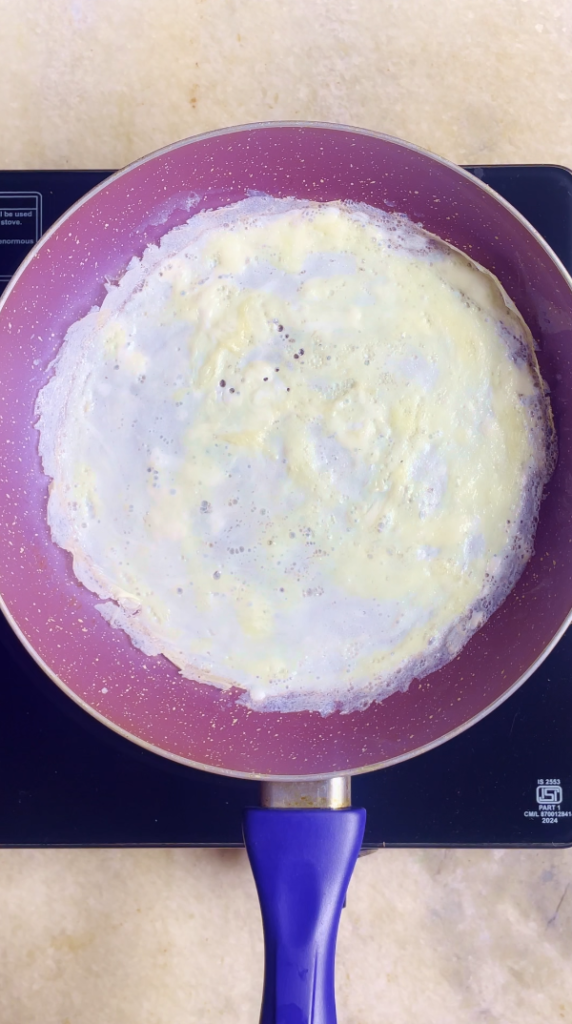
- Step 2: Heat oil in a pan over medium heat and whisk egg and 1 tsp salt in a small bowl.
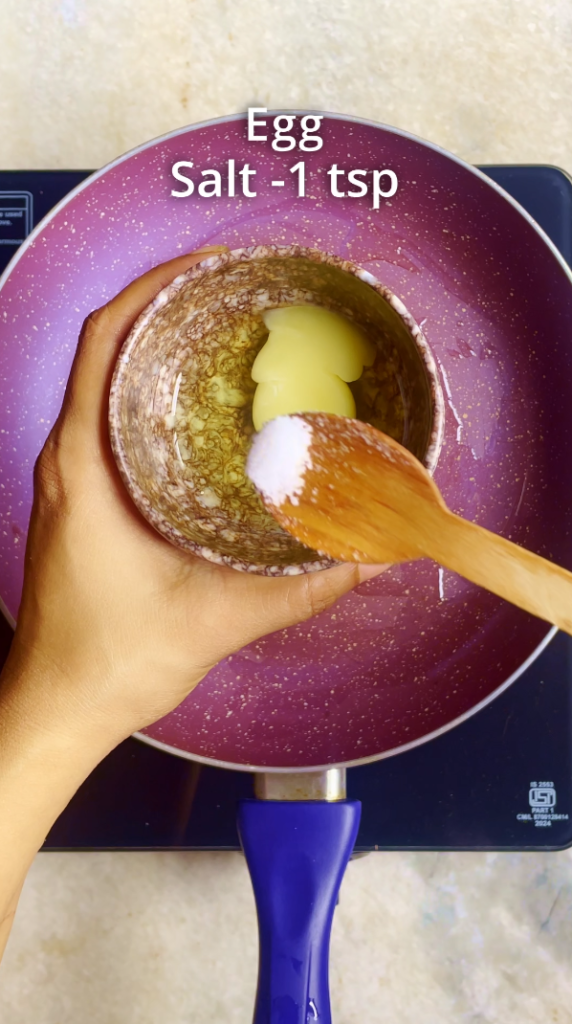
- Step 3: Then pour the egg mixture into the pan, swirling to spread evenly. When the egg is set on the surface, flip and cook for 1-2 minutes. Once the egg is done, transfer to a cutting board to cool and slice into thin ribbons.
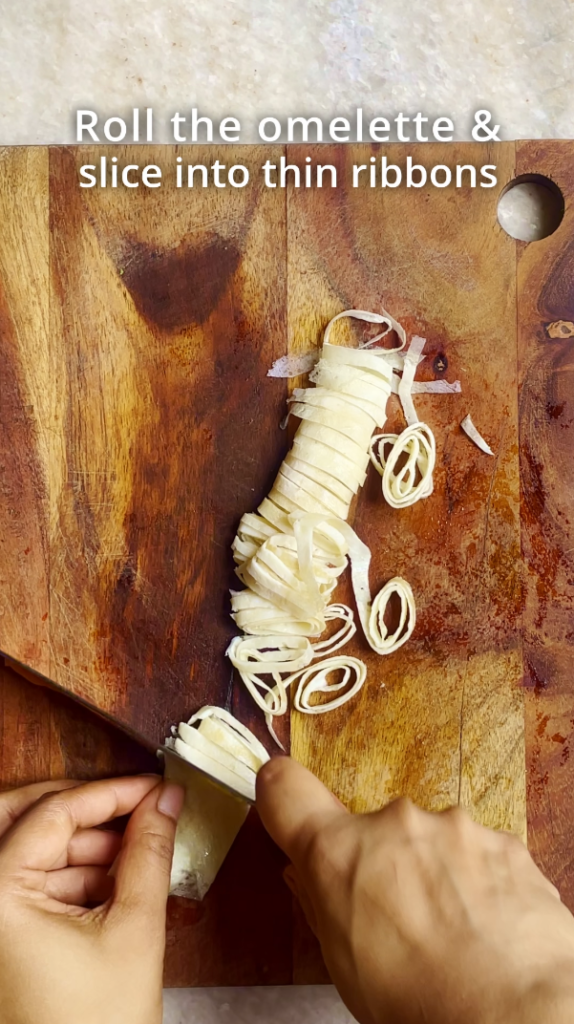
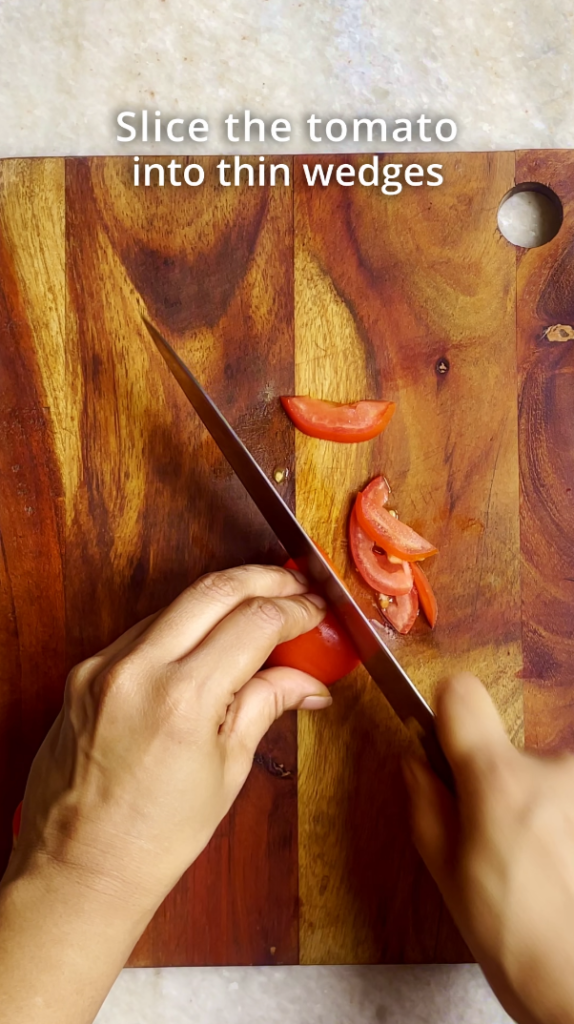
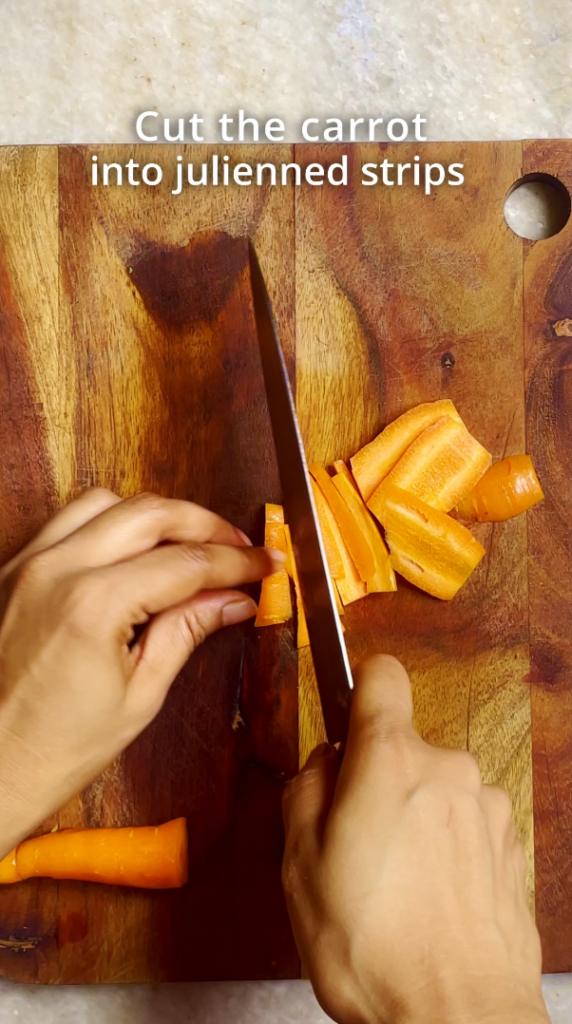
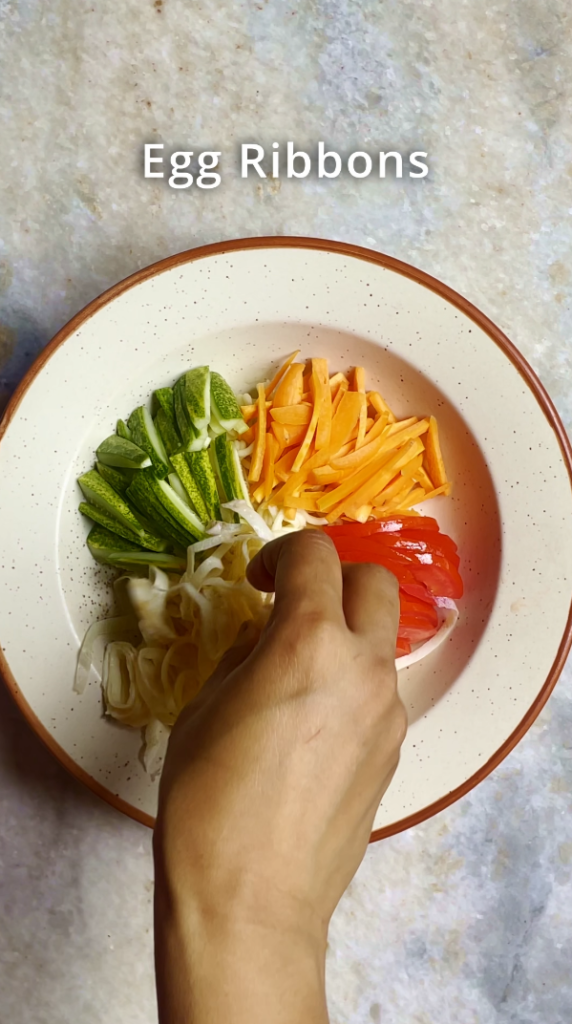
- Step 4: Cut the tomato in half and cut the halves into thin wedges. Diagonally cut the cucumber into thin slices and then cut them into julienned strips. Diagonally cut the carrot into thin slices and then cut them into julienned strips.
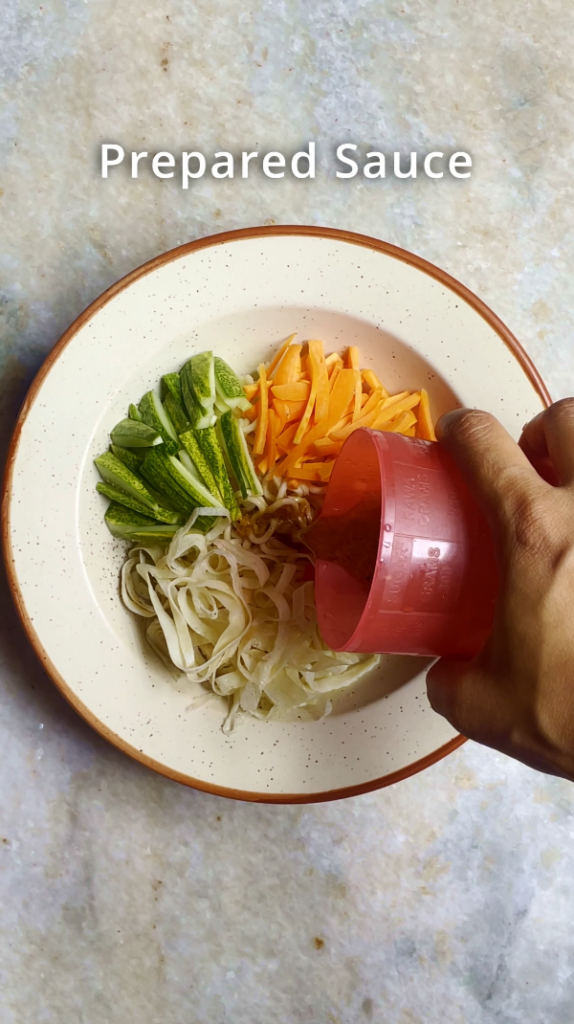
- Step 5: In a glass combine, water, rice vinegar, mirin, ginger juice, lemon juice, soy sauce, black pepper powder, sugar and sesame paste, stir to combine properly. Chill the sauce in the refrigerator.
- Step 6: Divide the noodles into individual bowls. Arrange the toppings on top in section, keeping each ingredients visible for presentation. Pour the chilled sauce over the noodles.
- Step 7: Serve immediately. Enjoy!!
About Me

DEBJANI MONDAL
Welcome to Kitchenstagram, the home of delicious recipes, culinary inspiration and cooking adventures. I’m Debjani and I’m thrilled to be your guide through the wonderful world of food. I’m a self-taught professional baker, home chef, recipe developer, author of Kitchenstagram and an aspiring YouTuber.
My passion for food and cooking began at a very young age, when I would watch my mom and dad cook for me and my brother. My dad, in particular is a great cook whose culinary skills made a lasting impression on me. My dad would cook up a storm on special occasions by cooking variety of dishes, from delicious biriyani to samosa, fish fry, rasgullas and kachoris (sweet & spicy deep fried pastry with filling of lentils, meat or fish…>>>>>
FOLLOW ME
My Latest Posts
- post 1
- post 2