

French Pastry - Pâte Sucrée | Sweet Shortcrust Pastry | Kitchenstagram
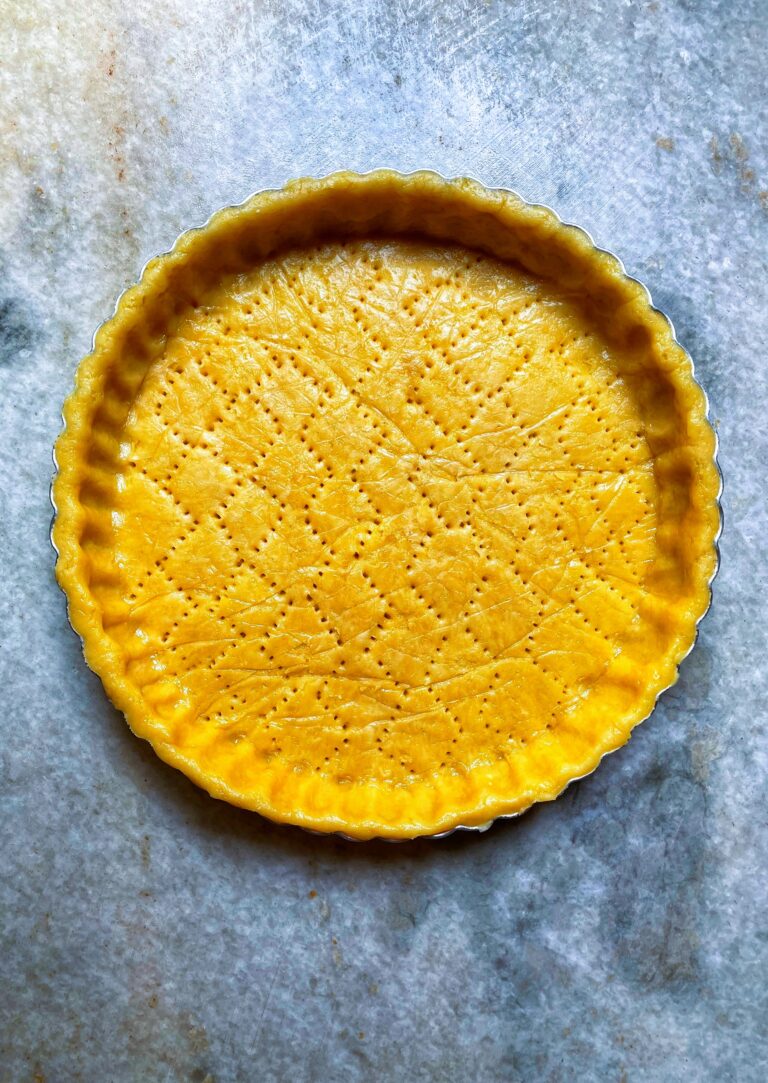
Pâte Sucrée, a classic French sweet tart crust is one of those foundational recipes every baker benefits from knowing. Rich, buttery and delicately crisp, this pastry creates the perfect base for everything from fresh tarts to silky chocolate filling. Unlike traditional shortcrust pastry, Pâte Sucrée has a smoother texture that feels more refined while still being study enough to hold generous filling without turning soggy.
What makes this dough especially reliable is its balance. It’s sweet without being overpowering, tender without falling apart, and firm enough to slice neatly. Once baked, the crust develops a light crispness similar to delicate butter cookie, making every bite feel elegant and satisfying. Even after refrigeration, it keeps its pleasant texture instead of becoming tough or chewy, which is why it works beautifully for chilled desserts.
Another reason bakers love Pâte Sucrée is how forgiving and easy it is to handle. The dough rolls out smoothly, doesn’t crack excessively, and can easily be pressed directly into a tart pan if preferred. Small tears or breaks are simple to patch, making it ideal for both beginners and experienced bakers. If the pastry softens while shaping, a quick chill in the refrigerator restores the perfect consistency within minutes.
This versatile tart dough adapts effortlessly to many desserts. It pairs wonderfully with creamy custard, citrus fillings, ganache, nuts, berries, stone fruits and baked tart fillings alike. Whether used for a rustic homemade tart or an elegant patisserie-style dessert, it delivers a polished finish that instantly elevates the final presentation.
The texture is another standout feature. While flaky pastries can sometimes scatter crumbs everywhere, Pâte Sucrée offers a cleaner, more structured bite that’s easier to eat with a fork. It remains delicate and buttery while holding its shape beautifully after slicing. The result is a crust that complements fillings instead of competing with them.
Because the dough freezes exceptionally well, it’s also practical for make-ahead baking. Keeping an extra batch stored in the freezer means a homemade tart shell is always within reach for quick desserts or special occasions. Once thawed, the pastry retains its excellent texture and workability, making preparation simple and stress-free.
French pastry techniques are often associated with precision and complexity, but this dough proves that classic baking can also be approachable. With just a little practice, Pâte Sucrée becomes a dependable staple that opens that door to countless tart creations. From elegant dinner party desserts to everyday baking projects, this timeless crust delivers professional-quality results with surprisingly little effort.
Whether baked in a fluted tart pan or a traditional pie dish, Pâte Sucrée provides a crisp, buttery foundation that highlights both simple and elaborated fillings. It’s the kind of recipe that quickly earns a permanent place in any baker’s collection- versatile, dependable and endlessly useful for creating beautiful dessert year-round.
Why you’ll love this recipe?
Creates a beautifully crisp yet tender tart crust with a rich, buttery flavour.
Uses egg yolks for a delicate texture and a more refined pastry finish.
Easy to roll, shape and press into tart pans without cracking or tearing.
The dough is forgiving and can be patched or re-rolled with minimal shrinkage.
Works wonderfully for fruit tarts, custard fillings, chocolate tarts and more.
Bakes into a professional-looking crust with clean edges and an elegant finish.
Holds fillings well while still remaining light and easy to cut through.
Reliable and consistent, whether blind-baking or baking with the filling inside.
Pâte Sablée, Pâte Sucrée & Pâte Brisée:
Pâte Sablée: Pâte Sablée is richer and more fragile, offering a texture similar to buttery shortbread cookies. Its higher sugar content gives it a melt-in-the-mouth quality with a sandy crumb. Some versions include ground nuts for extra tenderness and flavour. Because the dough is delicate, bakers often press it directly into the pan instead of rolling it. This crust is ideal for elegant dessert tarts and cookies where a crisp, crumbly finish is desired.
Pâte Sucrée: Pâte Sucrée is a delicate sweet pastry known its smooth texture and crisp bite. By coating the flour with butter before adding the eggs, gluten development stays minimal, resulting in a tender crust that bakes crisp and light. The process works well whether prepared by hand, in a mixer or with a food processor and the butter can be used either cold or softened depending on your preference.
Pâte Brisée: Pâte Brisée is the most versatile of the tree and resembles a traditional flaky pie crust. Instead of creaming the butter, small pieces are left throughout the dough, creating layers as the pastry bakes. Unlike the sweeter doughs, it includes salt and can be used for both savory and sweet recipes. Quiches, rustic fruit tarts, galettes and savory pies all benefit from its flaky structure and buttery flavour.
Ingredients needed for Pâte Sucrée:
A classic sweet tart crus comes together with a handful of simple ingredients, but each one plays an important role in creating a pastry that is crisp, delicate and easy to work with.
Flour: The flour forms the structure of the dough, so choosing the right one matters. Pastry flour or standard all-purpose flour works best because they provide enough stability for the tart hell while still keeping the texture tender after baking. Higher-protein flours, such as bread flour, can create a tougher dough that is less delicate and more likely to shrink in the oven.
Butter: Butter gives Pâte Sucrée its rich flavour and signature melt-in-the-mouth texture. Unsalted butter is commonly preferred because it allows better control over the seasoning and often has a fresh dairy flavour. Unlike flaky pie dough that rely on cold butter, this tart crust uses softened butter so it can be blended smoothly into the mixture, creating a more uniform and refined texture.
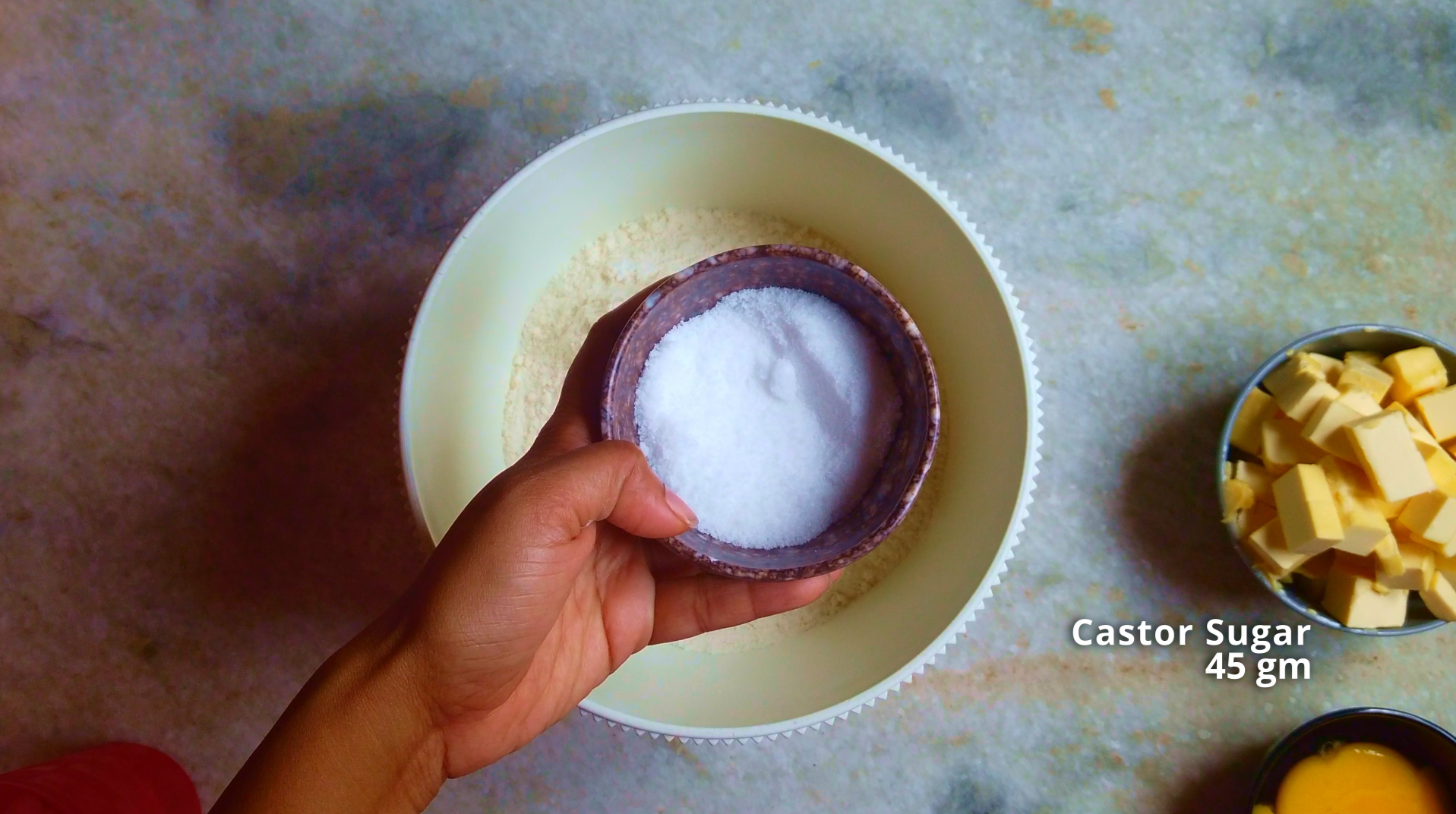
Sugar: Castor sugar is ideal for sweet tart dough because it mixes evenly and dissolves quickly. Coarse granulated sugar is usually avoided, as it may not fully dissolve and can affect the texture of the crust.
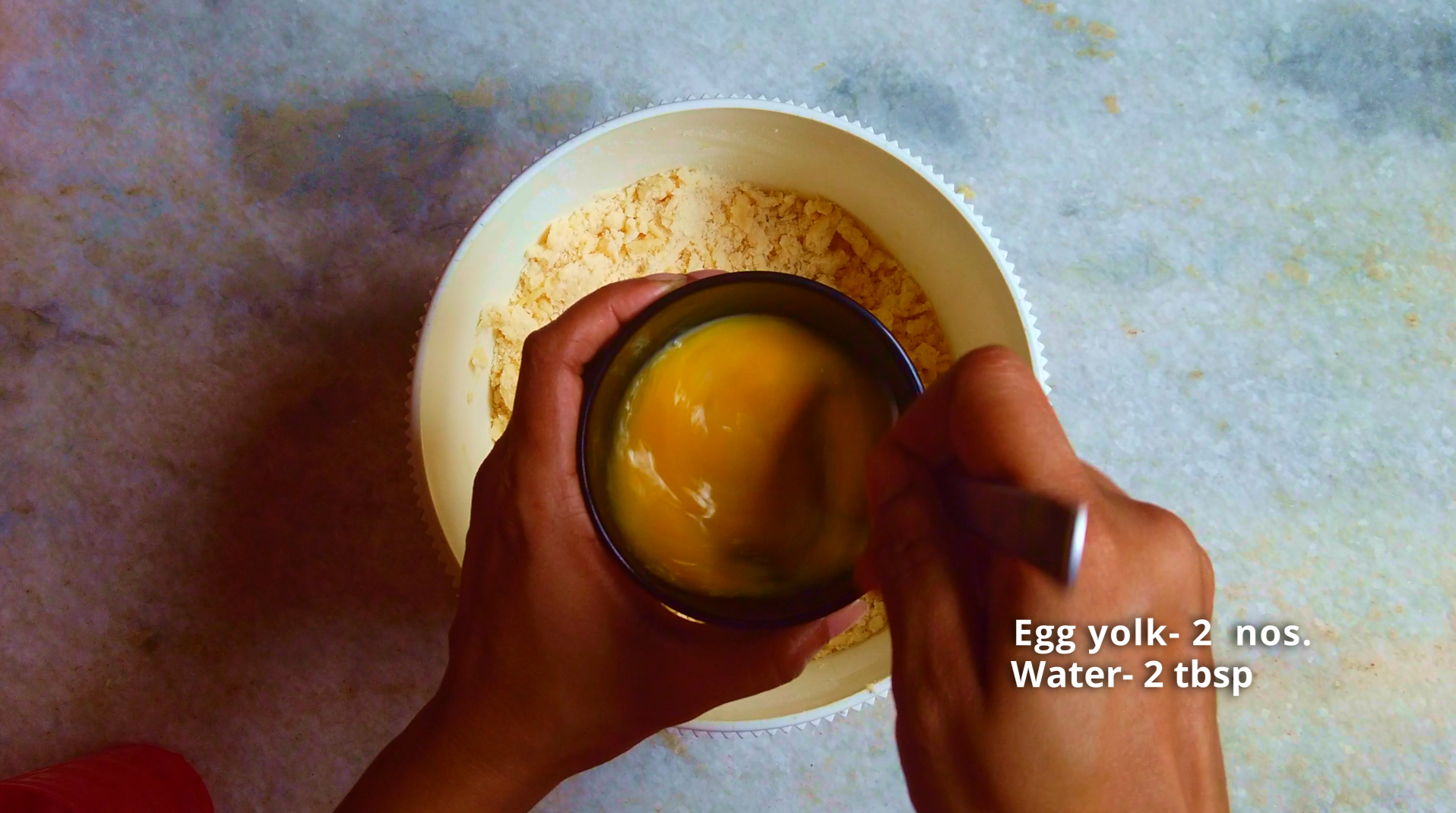
Egg Yolks or Whole Eggs: Eggs help bind the dough together and add richness. Many bakers prefer using egg yolks because the added fat contributes to a softer, more flavourful pastry. Yolks also help limit excess gluten formation, which keeps the crust tender and reduces the chance of shrinkage during baking. The moisture from the eggs is generally enough to bring the dough together without needing extra liquid.
Salt: A small amount of salt helps balance the sweetness and enhances the buttery flavour of the crust. Even in desserts, salt is essential for bringing depth and contrast to the final taste. Different salts vary in strength and crystal size, so measurements may need slight adjustment depending on the type used.
Storage Tips:
Keep fully baked, empty pâte sucrée shells sealed in a container at room temperature for up to 2 days, or refrigerate for up to 5 days to maintain freshness. For longer storage, freeze the shaped but unbaked dough tightly wrapped and stored in a freezer-safe container for up to 3 months. Bake straight from frozen without thawing.
Pro Tips:
Room temperature eggs mix in more efficiently, helping maintain a smooth, cohesive texture without lumps or separation.
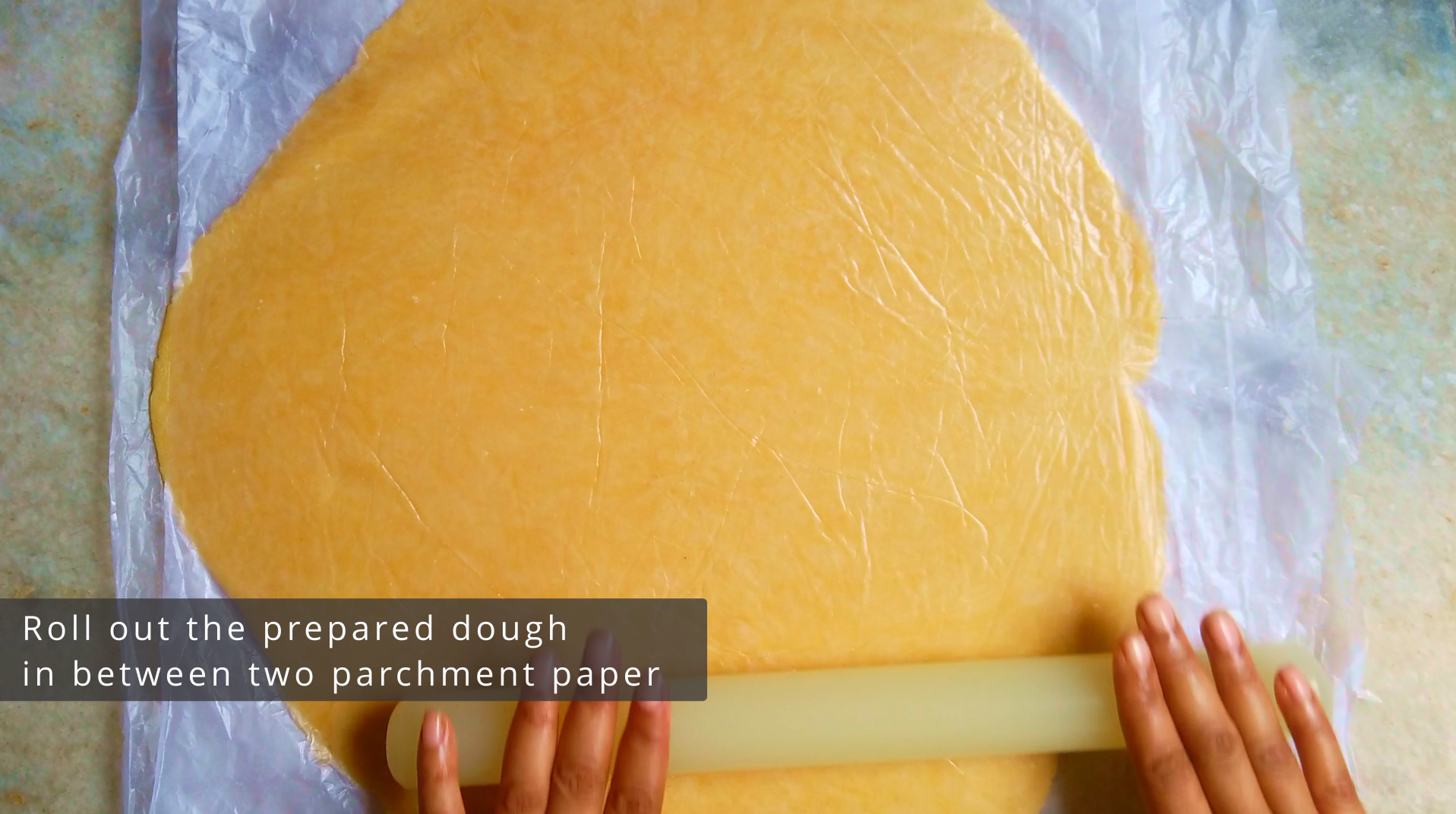
For easier handling, flatten and roll the pastry between sheets of parchment before chilling. This method minimizes sticking, reduces the need for excess flour and helps keep the crust delicate and crisp after baking.
Ingredients:
313 gm All-Purpose Flour
227 gm Butter
Pinch of Salt
45 gm Sugar
2 Egg yolk
2 tbsp Water
1 Egg+ 2 tbsp Water
Preparation:
- Step 1: In a mixing bowl, combine flour, salt & sugar and mix everything properly.
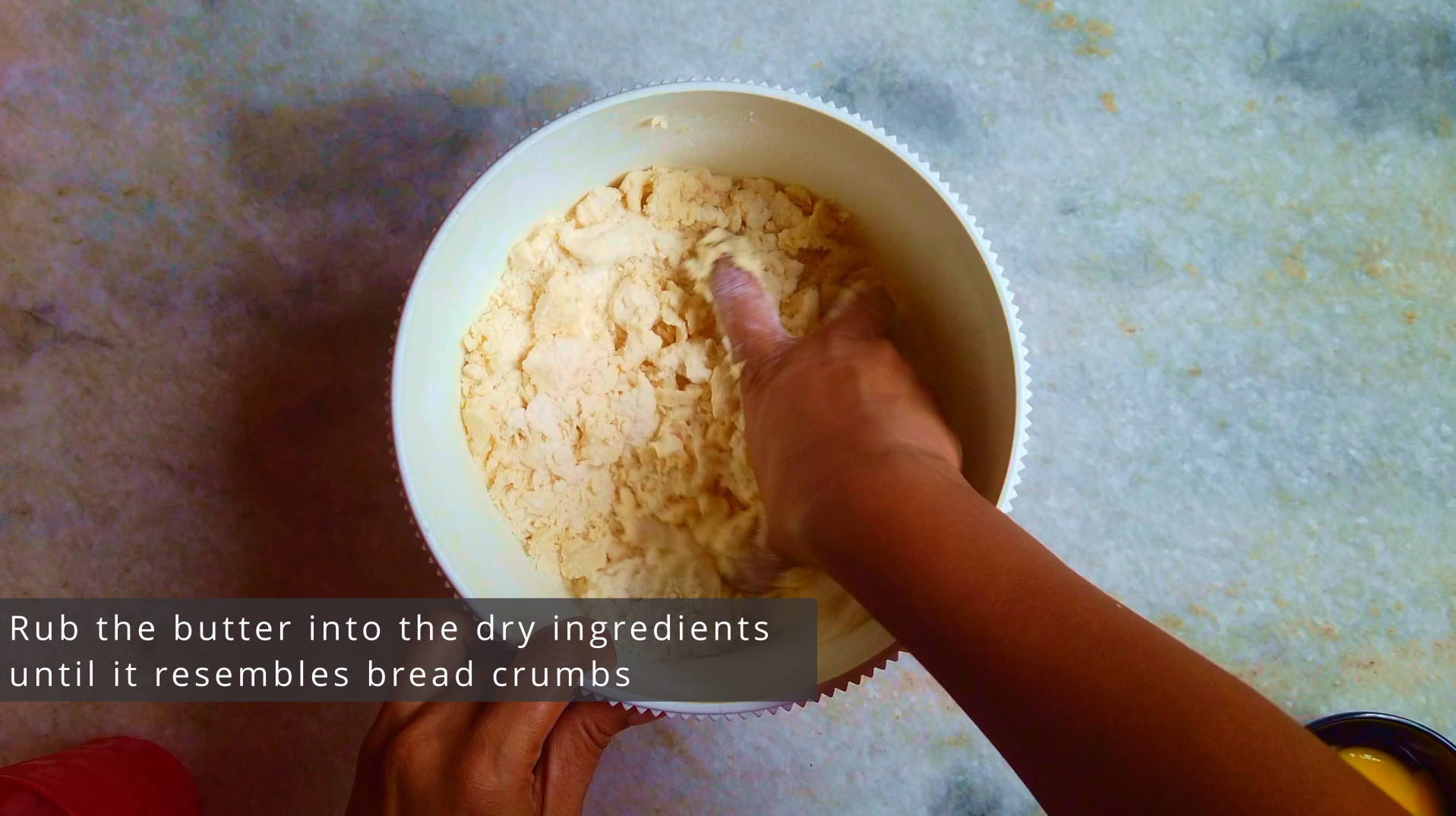
- Step 2: Then add the butter and use your fingertips to rub the butter into the dry ingredients until it resembles bread crumbs.
- Step 3: In bowl whisk together the egg yolk and 2 tbsp water, add into the flour mixture.
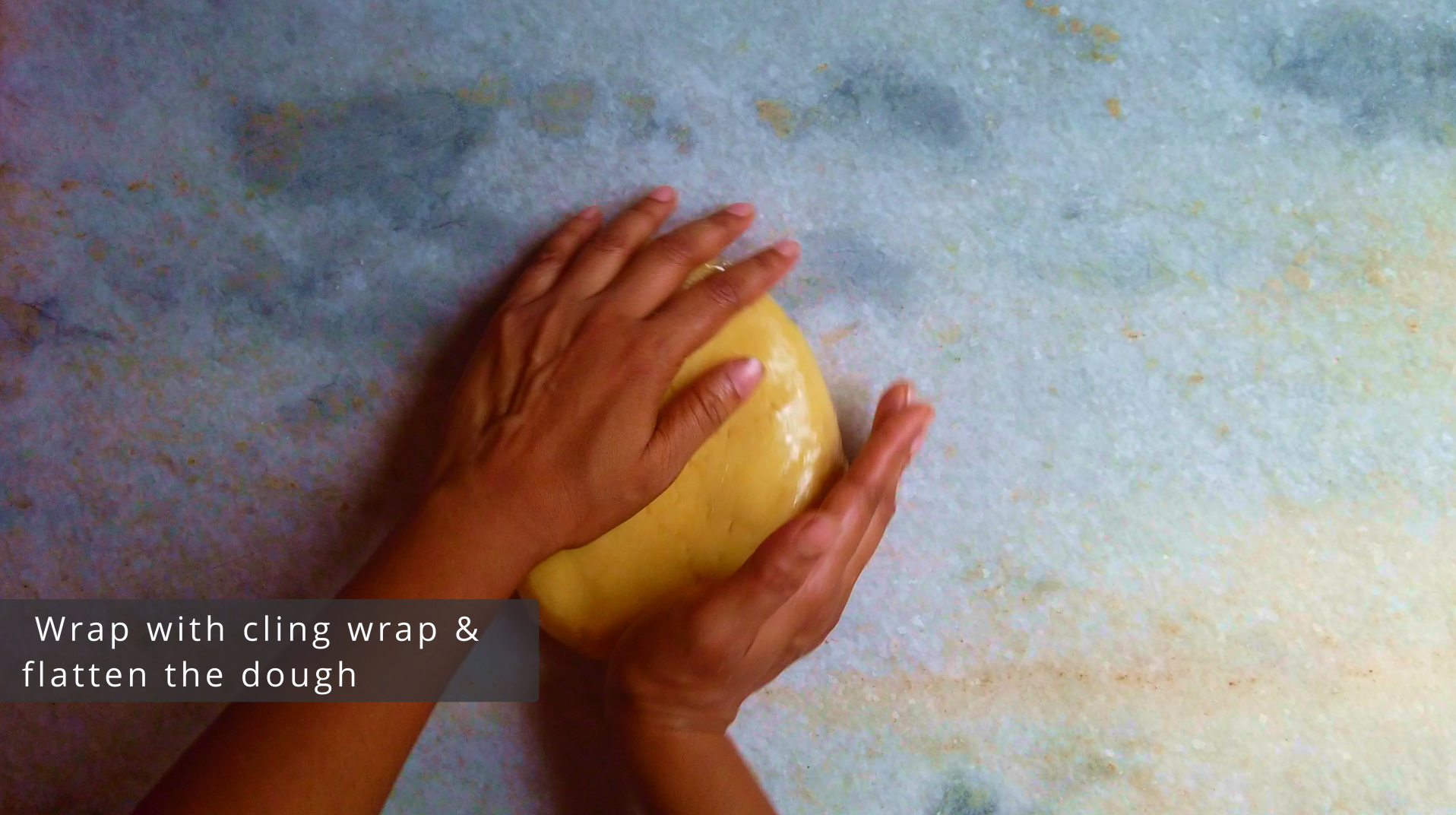
- Step 4: Mix everything together until the dough is formed, then knead to bring together into a smooth ball. Flatten the dough and wrap with cling wrap, refrigerate for 30 minutes.
- Step 5: Remove the dough from the fridge. Roll out the prepared dough in between two parchment paper a little larger than your 10 inch tart pan.
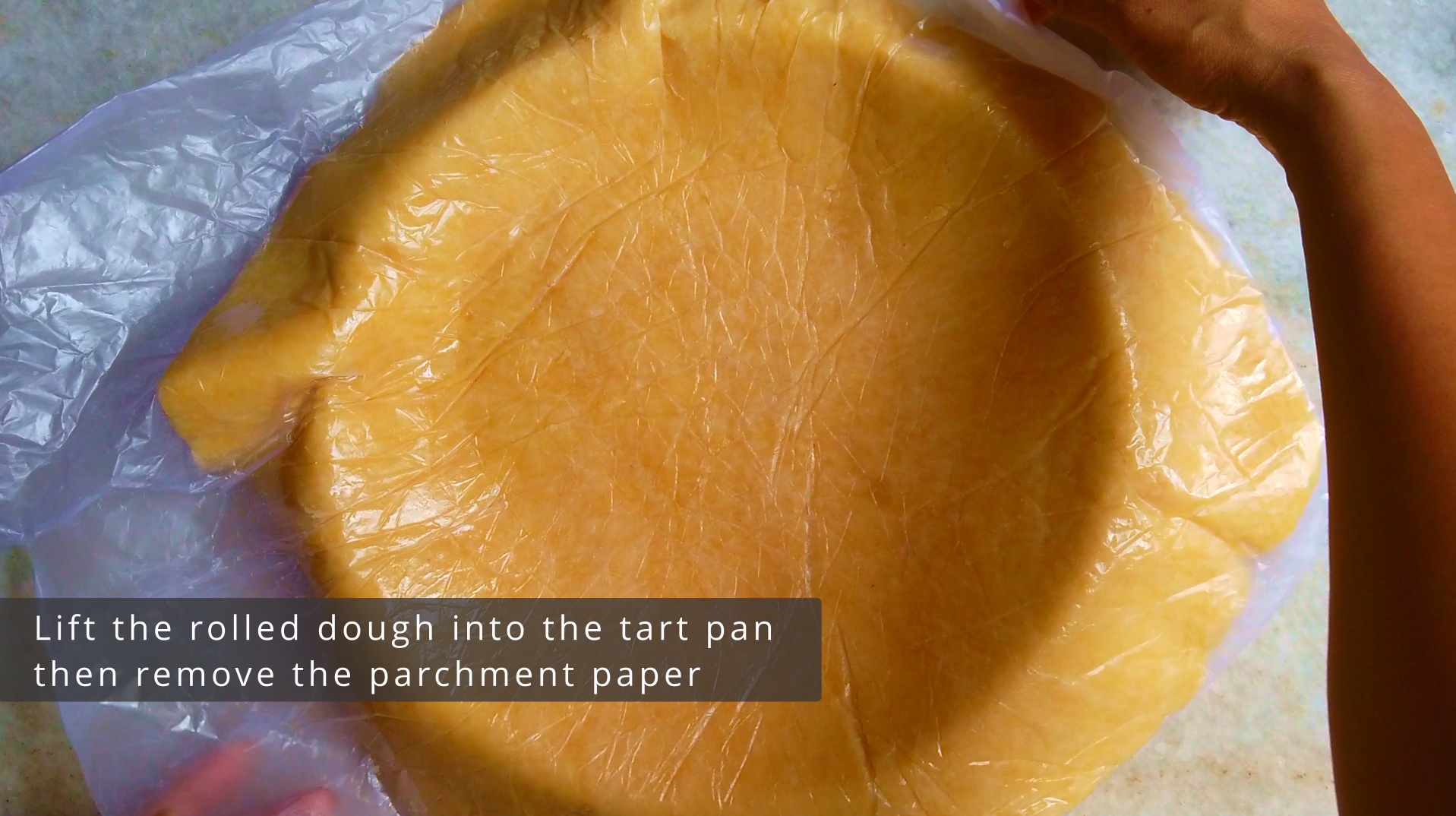
- Step 6: Then using the parchment paper lift the rolled dough into the 10 inch tart pan.
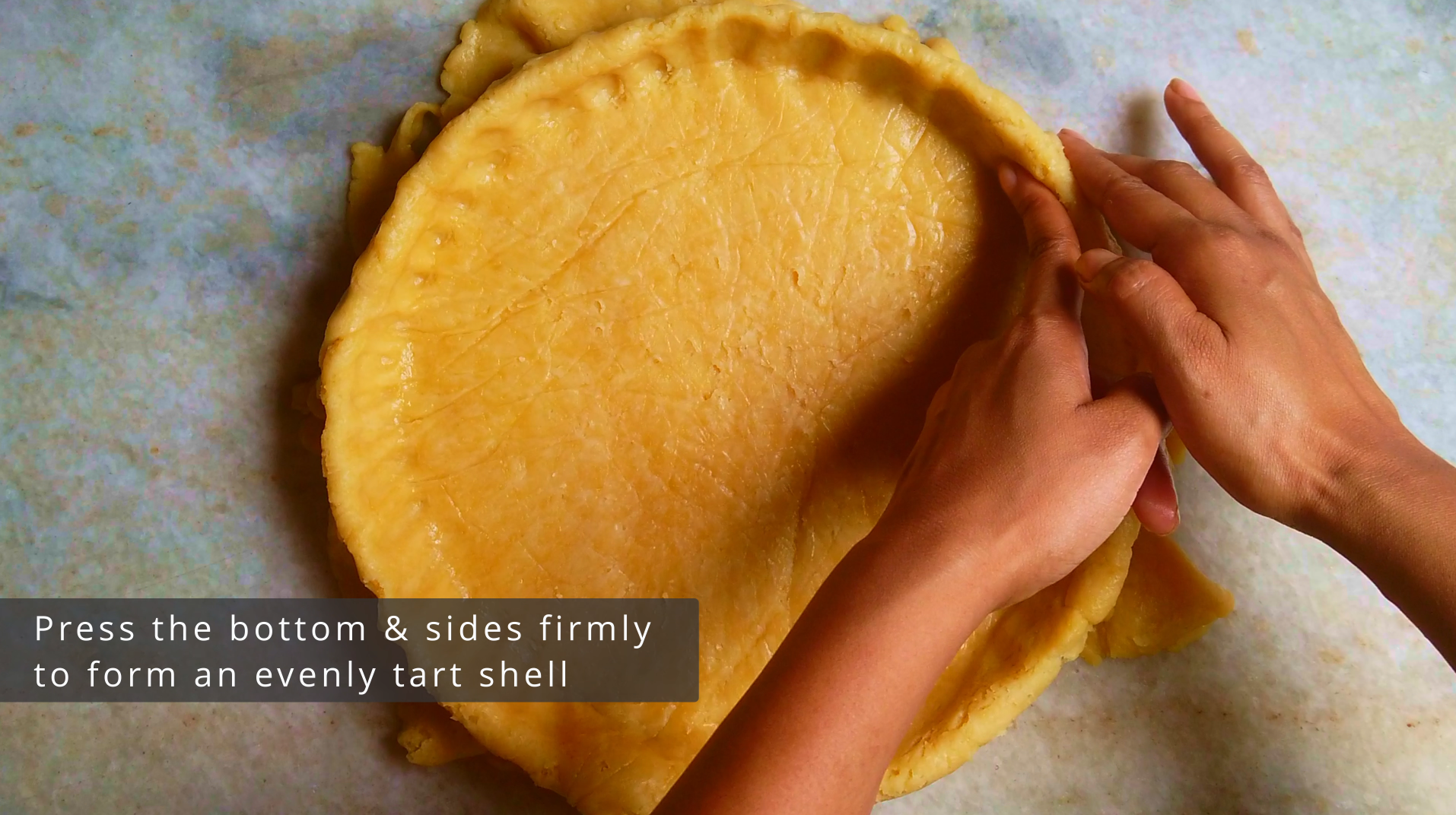
- Step 7: Remove the parchment paper and press the bottom and sides firmly to form an evenly tart shell.
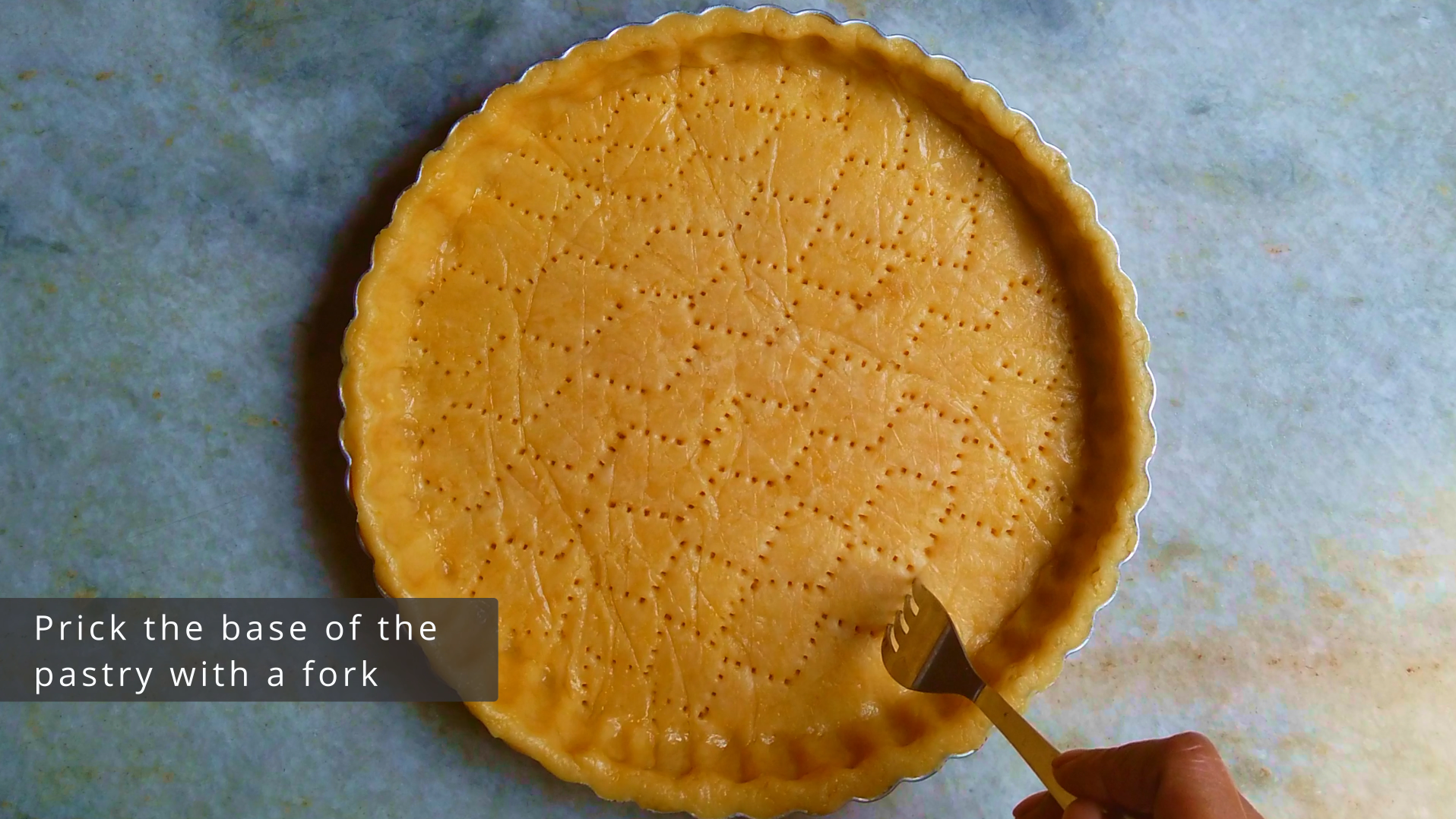
- Step 8: Roll the rolling pin over tart tin to trim excess dough. Prick the base of the pastry with a fork. Not all the way through, just make a light prick on the surface.
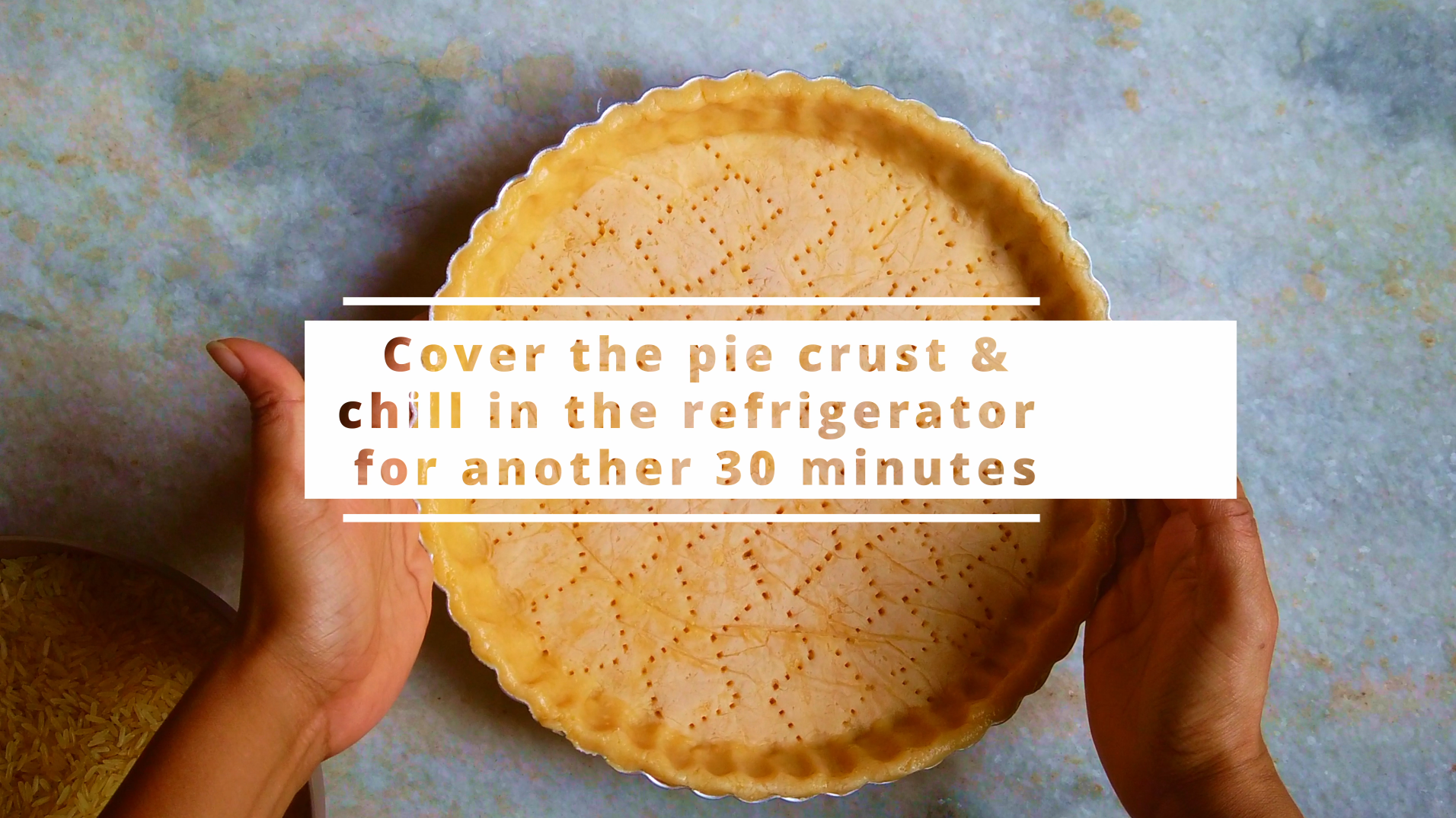
- Step 9: Cover the pie crust and chill in the refrigerator for another 30 minutes.
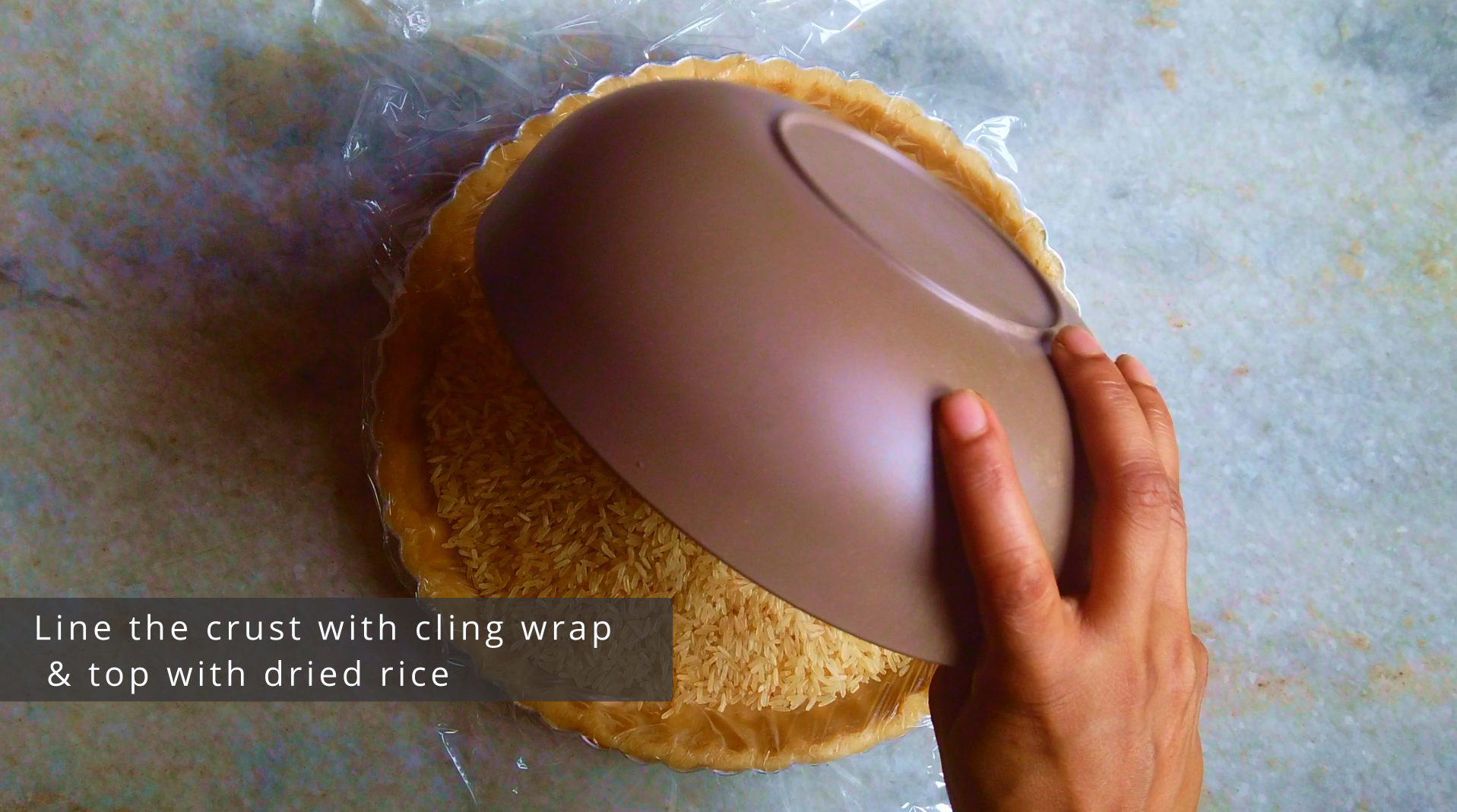
- Step 10: Preheat the oven @200°C or 400°F. Remove the pie crust from the refrigerator and line the crust with cling wrap and top with dried rice, beans or chickpeas.
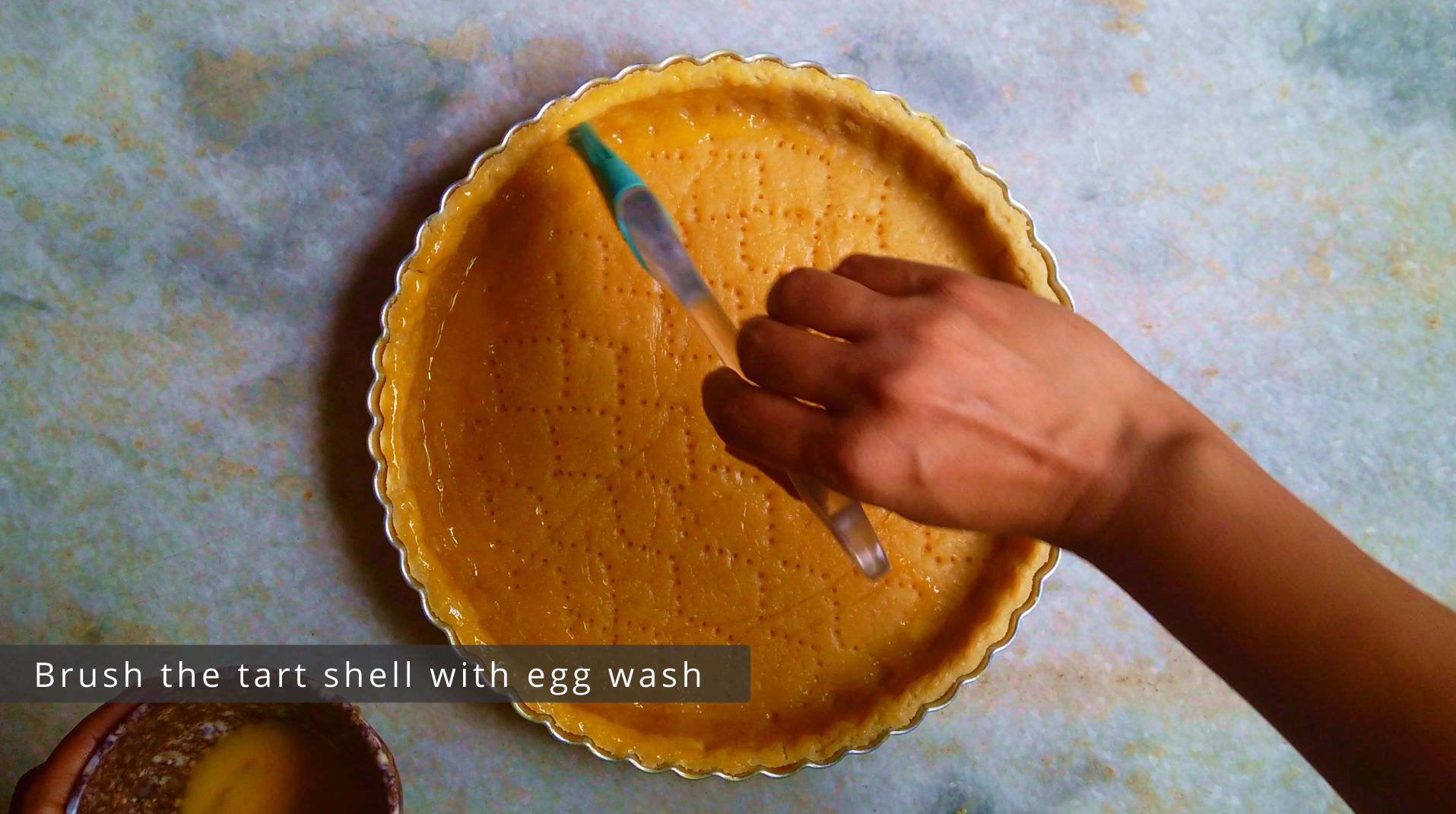
- Step 11: Blind bake for 15 minutes. Remove the tart from the oven and carefully lift out the cling wrap with weights. Brush the tart shell with egg wash.
- Step 12: Return the tart to the oven and bake until the bottom crust is fully cooked for about 10-15 minutes longer.
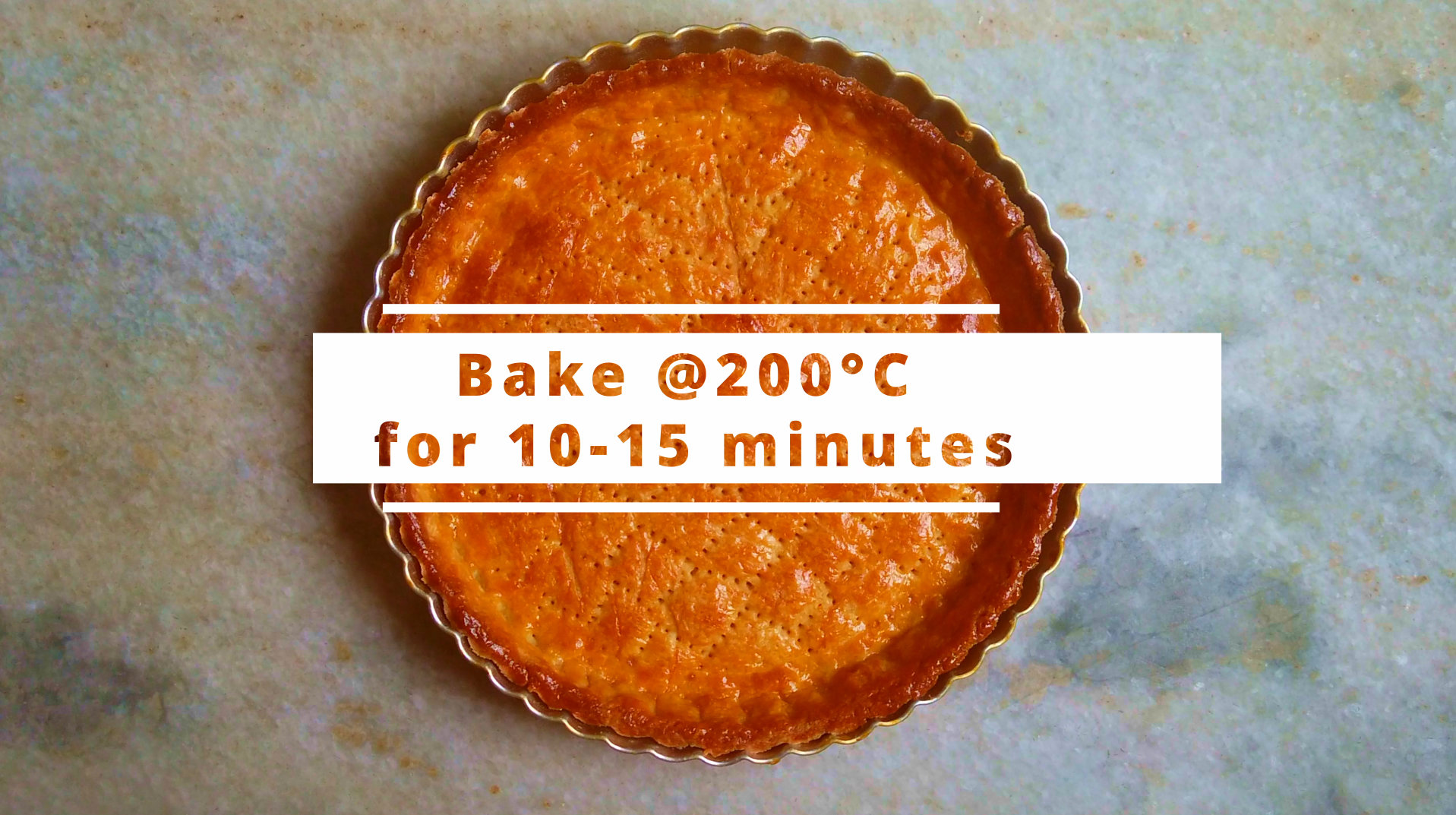
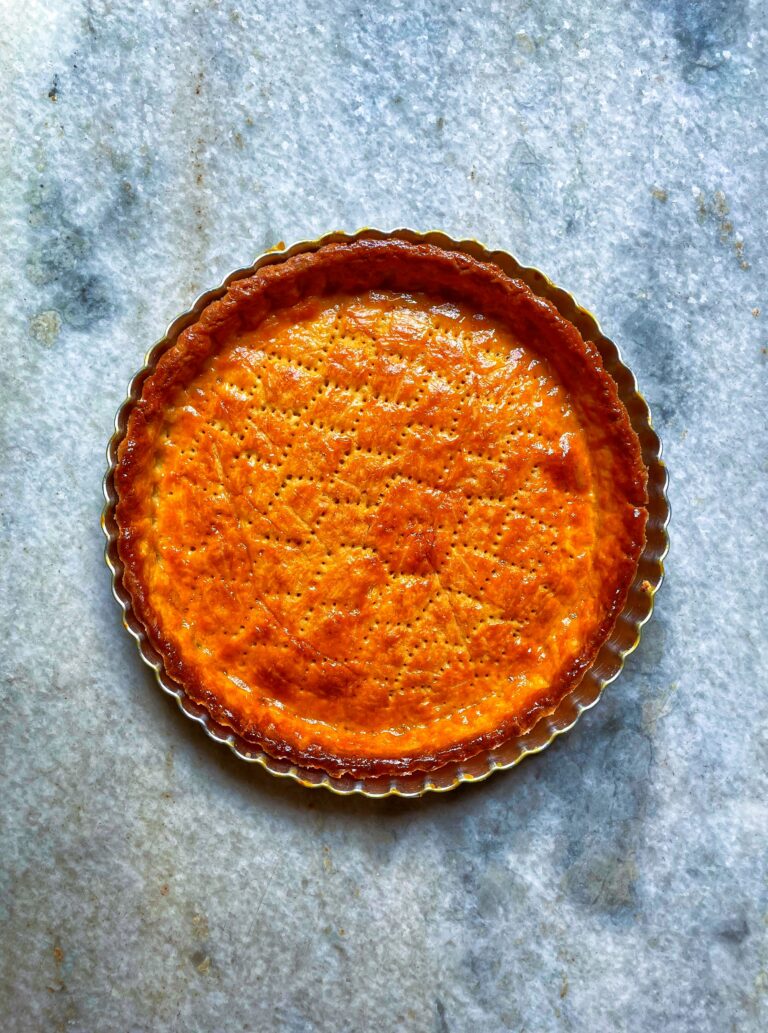
- Step 13: Let the baked crust cool completely before adding filling.
About Me

DEBJANI MONDAL
Welcome to Kitchenstagram, the home of delicious recipes, culinary inspiration and cooking adventures. I’m Debjani and I’m thrilled to be your guide through the wonderful world of food. I’m a self-taught professional baker, home chef, recipe developer, author of Kitchenstagram and an aspiring YouTuber.
My passion for food and cooking began at a very young age, when I would watch my mom and dad cook for me and my brother. My dad, in particular is a great cook whose culinary skills made a lasting impression on me. My dad would cook up a storm on special occasions by cooking variety of dishes, from delicious biriyani to samosa, fish fry, rasgullas and kachoris (sweet & spicy deep fried pastry with filling of lentils, meat or fish…>>>>>
FOLLOW ME
My Latest Posts
- post 1
- post 2