

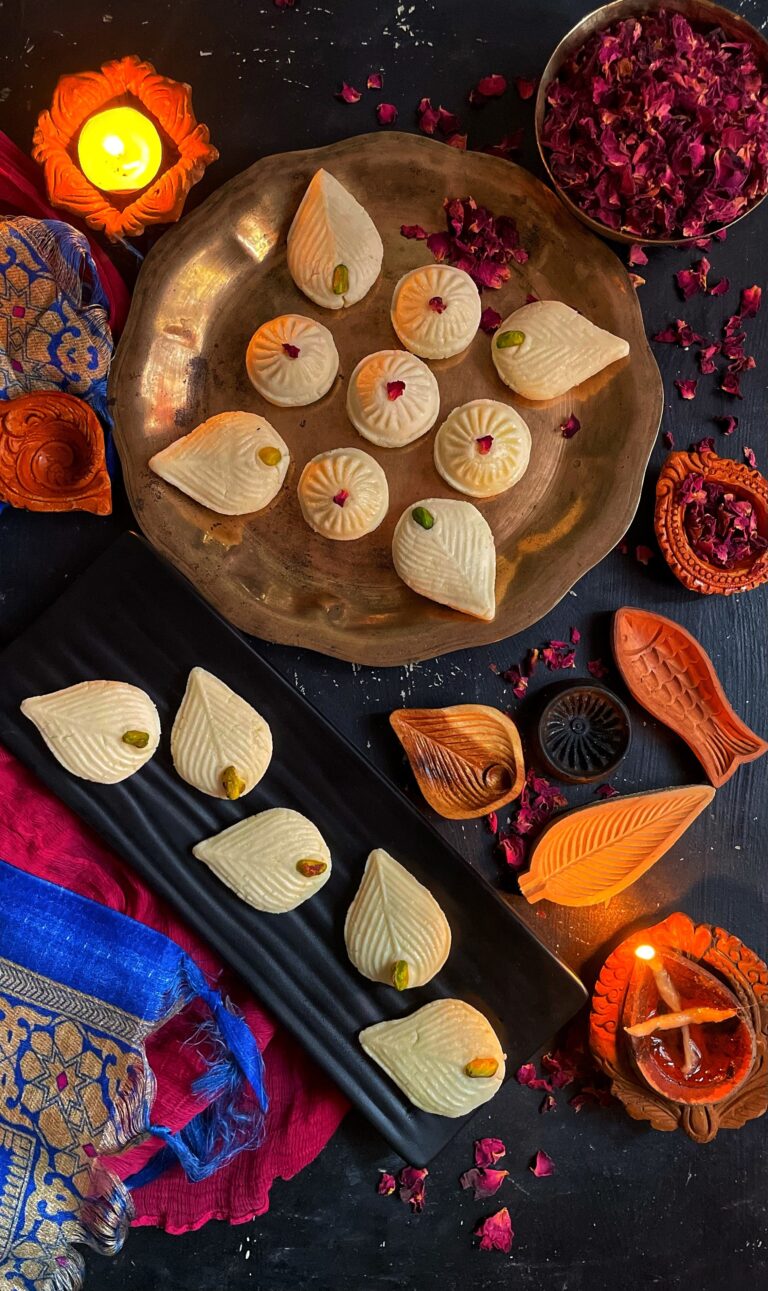
Sondesh, is not just a sweet- it is woven into the cultural fabric of Bengal. For generations, this delicate dessert has stood as a symbol of affection, hospitality and festivity. To many Bengalis, offering sondesh is almost instinctive, an act that comes before words, an unspoken gesture of warmth and joy.
If there’s one sweet that can rival the popularity of Mishti Doi, it is undoubtedly Sondesh. Step into Bengal and you’ll realize how inseparable this delicacy is from everyday life. Festivals, weddings, birthdays, house-warmings- no matter the occasion, sondesh finds its way onto the table. It doesn’t stop there; We Bengalis don’t wait for a reason to enjoy it. A box of sondesh is often bought simply as a teatime companion, an after-dinner treat or just to spark a moment of nostalgia.
What makes Sondesh so special is its sheer simplicity. At its heart, this dessert is made with channa or fresh cottage cheese and sugar or jaggery. From the jumble base, countless variations are born. The soft and moist texture of sondesh, delicately flavoured with cardamom, rosewater, saffron or seasonal fruits, is what makes each bite memorable. Whether you enjoy the plain, melt-in-the mouth version or the more elaborate ones decorated with nuts and crafted into intricate shapes, there’s a Sondesh for everyone.
One of the charming aspects of Sondesh is its accessibility. Walk through the bustling lanes of Bengal and you’ll come across sweet shops- “Mishtir Dokan”, every few steps. Each shop proudly offers its own version of Sondesh, some sticking to age-old recipes, while others experimenting with modern flavours like chocolate, coffee or mango. The variety is endless. From Nolen Gur’er Sondesh in winter, infused with the rich sweetness of date palm jaggery, to lighter, fruit based versions in summer, sondesh evolves with the seasons, keeping traditions alive while embracing innovation.
The artistry involved in making Sondesh is another reason for its prestige. Traditionally, artisans used unique Sondesh moulds- often crafted from a blend of wood and stone or wooden moulds, to shape these delicate sweets with intricate designs. These moulds press delicate designs onto each piece, turning them into miniature works of edible art. But moulds are not mandatory, you can roll sondesh into simple rounds, flatten them into discs or even shape them creatively with your hands. Some versions are adorned with pistachios or almonds on top, adding a touch of elegance to the otherwise modest sweet.
Making Sondesh at home requires precision and patience. The quality of milk matters greatly, full cream cow milk is preferred because it yields rich and creamy channa. Once the milk is curdled and strained, the channa is kneaded until smooth, then gently cooked with sugar to achieve the perfect consistency. Overcooking can ruin its softness, while undercooking might prevent it from holding shape. This delicate balance is why many may say that Sondesh is not just a recipe, but an art form in itself. Yet once mastered, the process feels incredibly rewarding, as the result is nothing short divine.
Beyond its taste and texture, sondesh carried deep emotional resonance. It is a sweet often exchanged during celebrations, offered to guests or even gifted as a token of goodwill. A box of Sondesh has the power to convey love, respect and togetherness. In many ways, it embodies the Bengali way of life- simple yet rich, humble yet profound.
Today, sondesh has travelled far beyond Bengal, finding admirers across India and abroad. Modern sweet makers have experimented with exotic flavours, fusions and even sugar-free versions to suit contemporary preferences. Yet, at its core, Sondesh remains the same- a sweet that connects people to their roots, to family gatherings to festive mornings and to cherished memories.
In essence, Sondesh is not merely confection; it’s a piece of Bengal’s heritage. It reminds us of celebrations where laughter echoed in homes, of neighbourhoods where sweet shops beckoned at every corner and of the little joys that make life meaningful. Whether enjoyed during a grand festival like Durga Puja or as simple evening snack, Sondesh never fails to bring comfort and happiness.
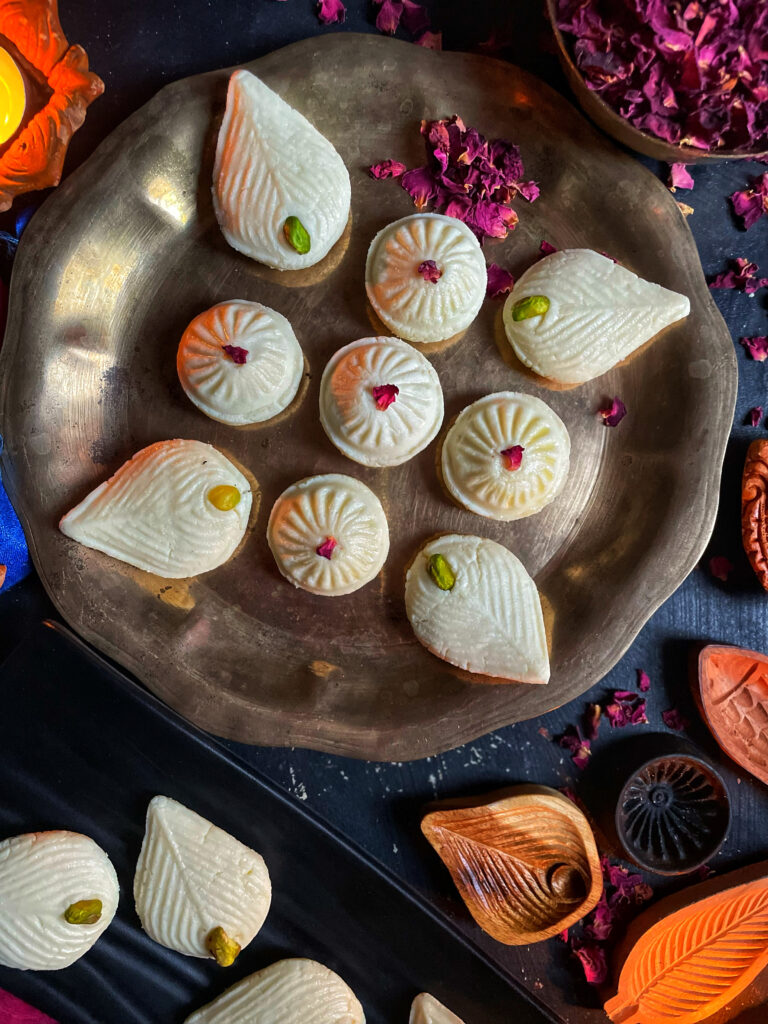
Tips for Using Sondesh moulds:
Grease before using the Sondesh moulds. A light coating of ghee ensures the Sondesh comes out neatly without sticking or breaking.
Wash the moulds with mild soap and dry completely. Traditional wooden or stone & wooden moulds need extra care as leftover moisture may cause fungus.
Once the moulds are dry, rub a few drop of oil over the surface to preserve smoothness and shine.
Keep the moulds arranged in a box with space between them. Avoid stuffing in bags to prevent scratches or damages to the designs.
Ingredients:
2 Lt Cow Milk
1/2 cup Curd
50 ml Vinegar
100 ml Water
2 Lt Water
60 gm Powdered Sugar
1 1/2 tbsp Corn starch
1 tsp Rose Water
1-2 tbsp Ghee
Pistachio (slivered), for garnishing
Dried Rose Petals, for garnishing
Preparation:
- Step 1: In a bowl combine vinegar and 100 ml water. Bring the milk to a boil on low heat.
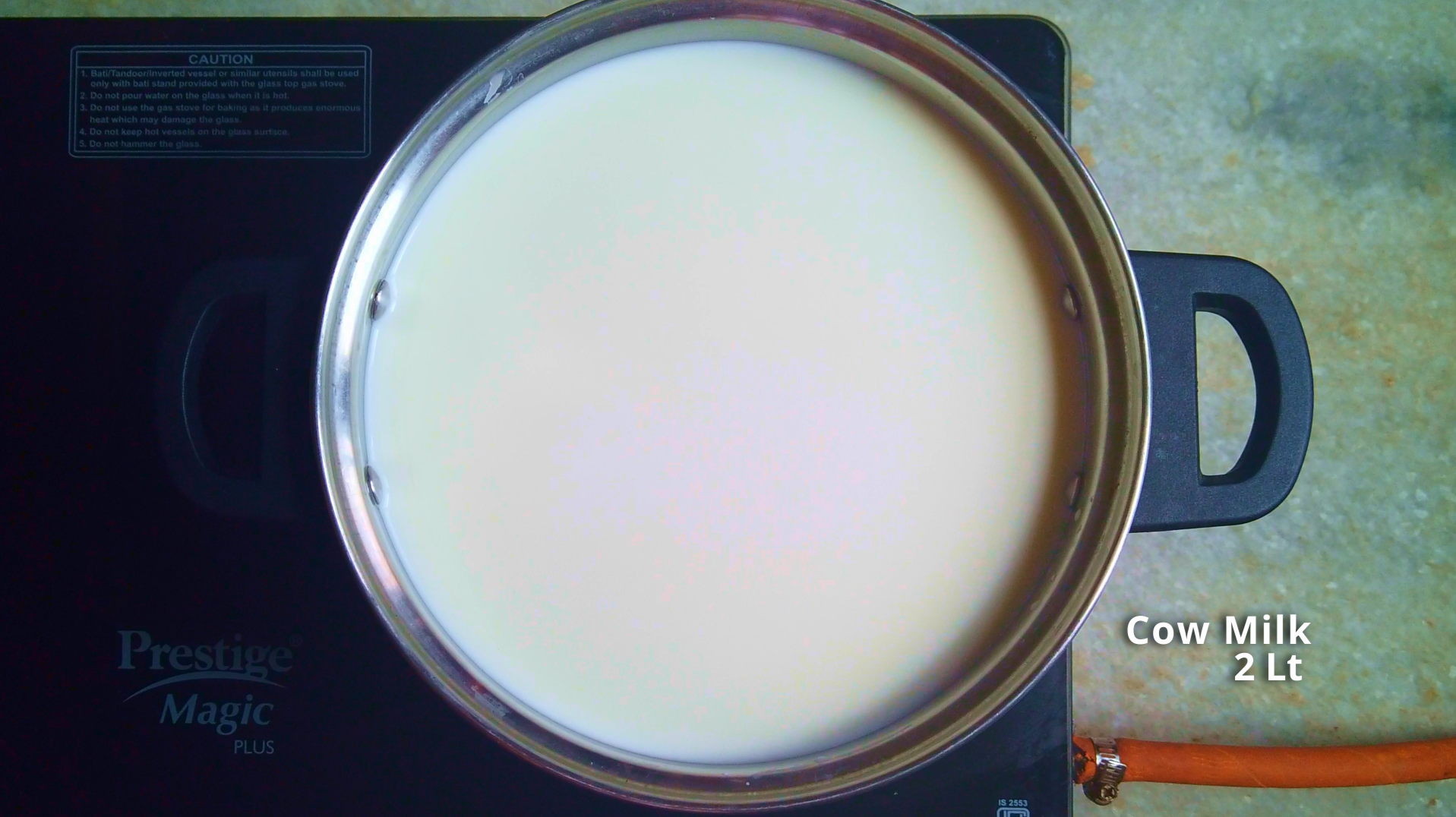
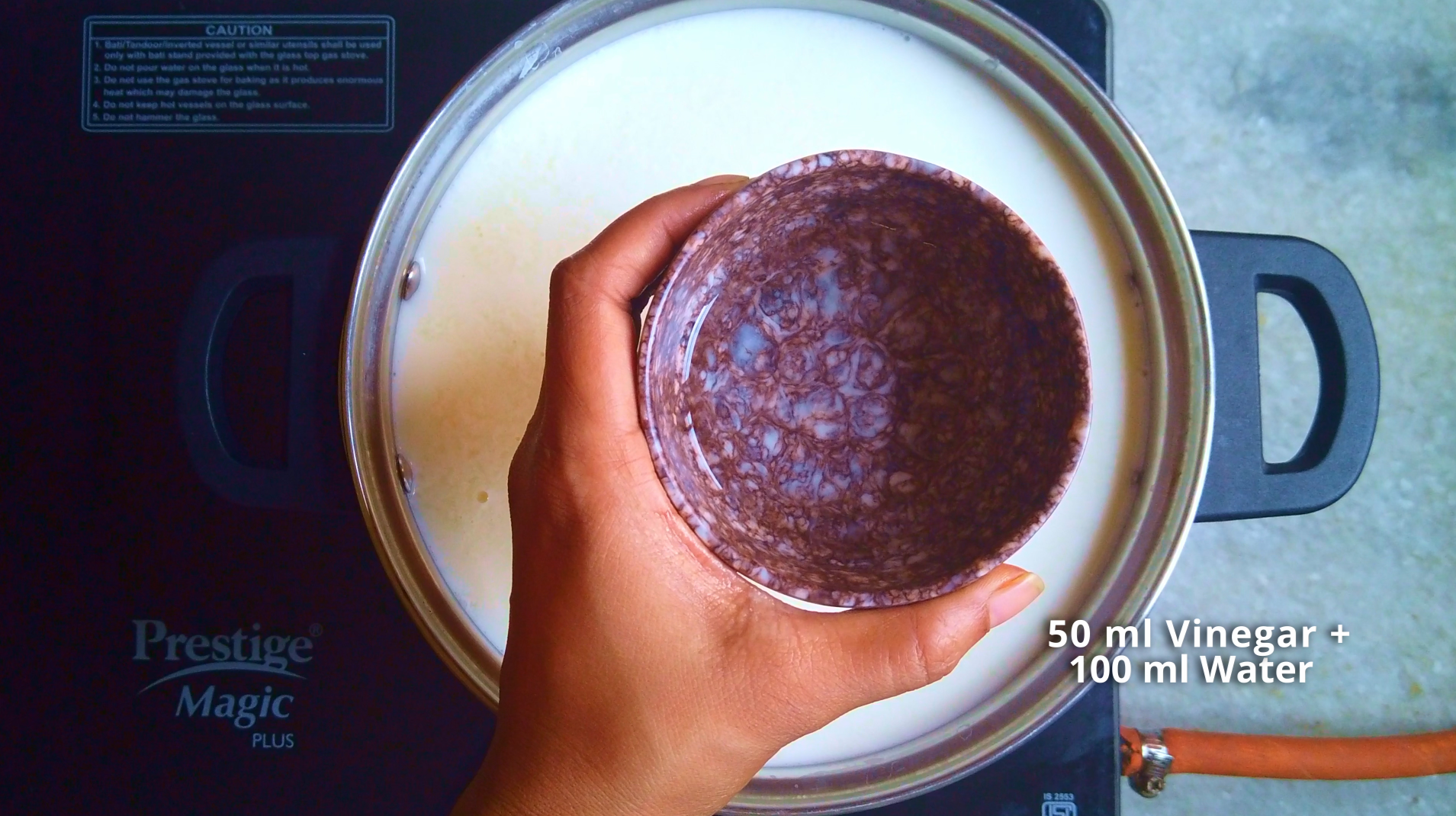
- Step 2: Add curd and vinegar solution and stir till the milk splits. When the milk curdles, turn off the heat.
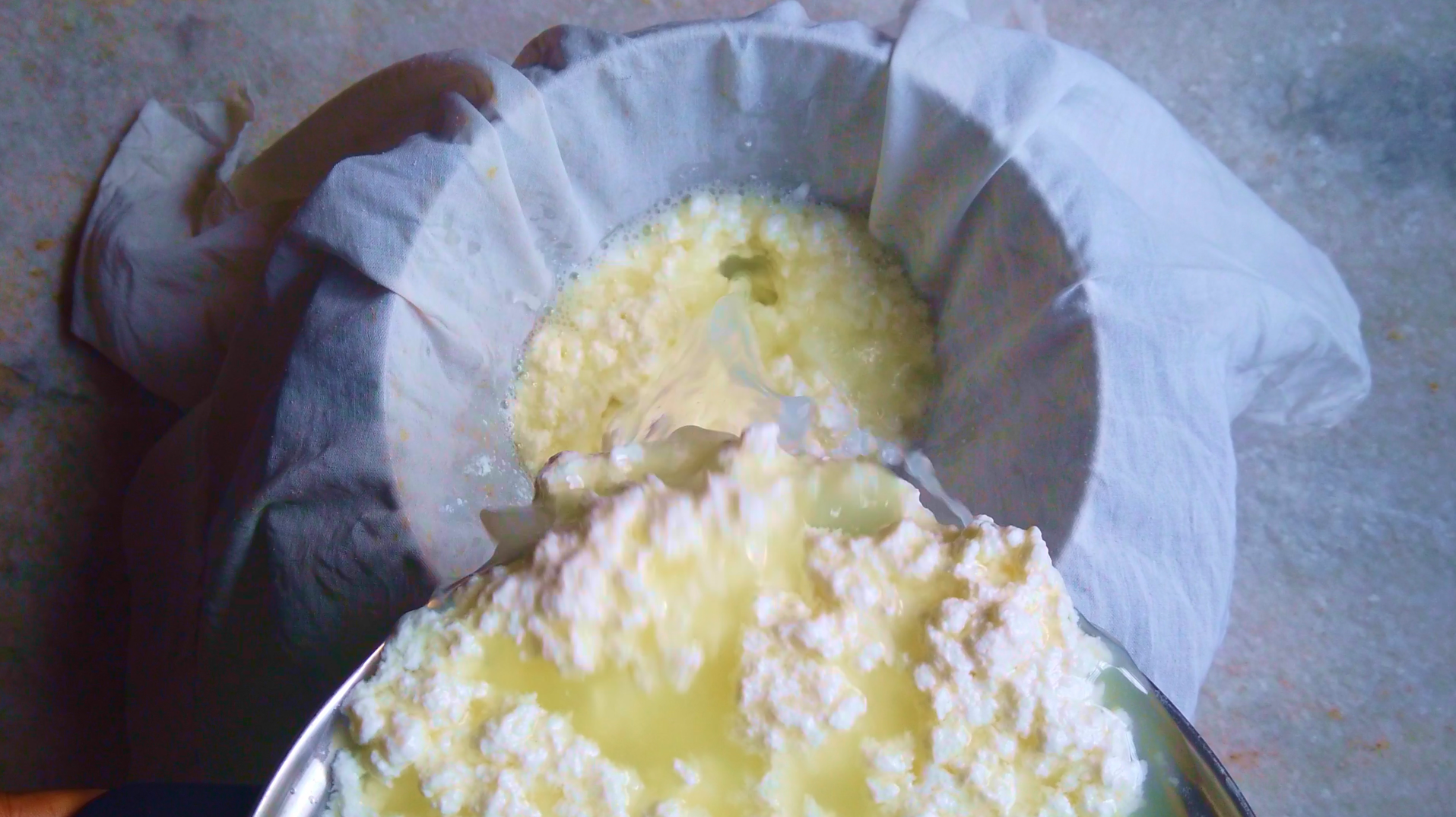
- Step 3: Add water to cool down the channa and to remove sourness of the vinegar. Then strain the channa out using a muslin cloth. Squeeze out the whey and place a heavy object on the muslin for 25-30 minutes.
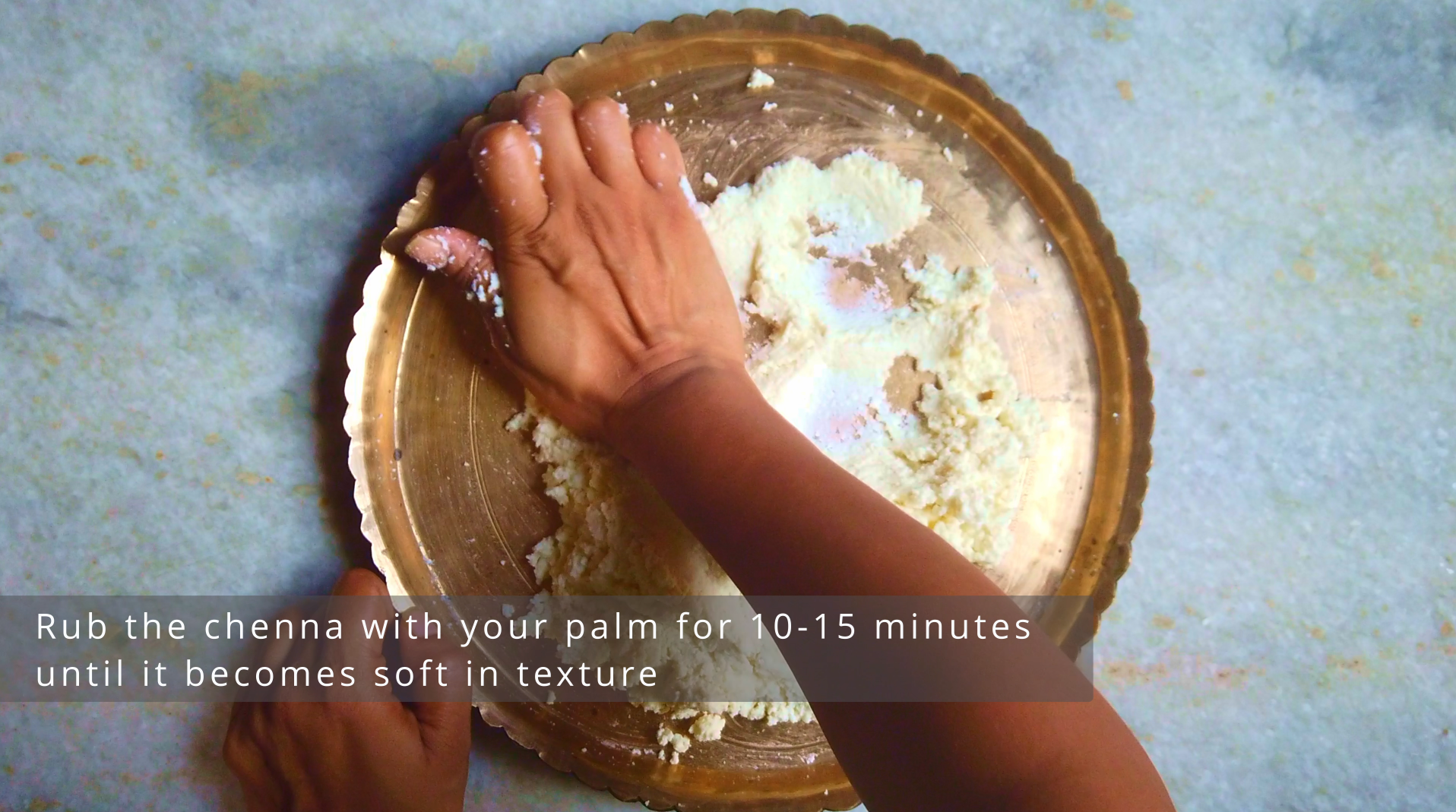
- Step 4: Place the channa on a large plate. Add sugar and corn starch and rub it with your palm for 10-15 minutes until it becomes soft in texture.
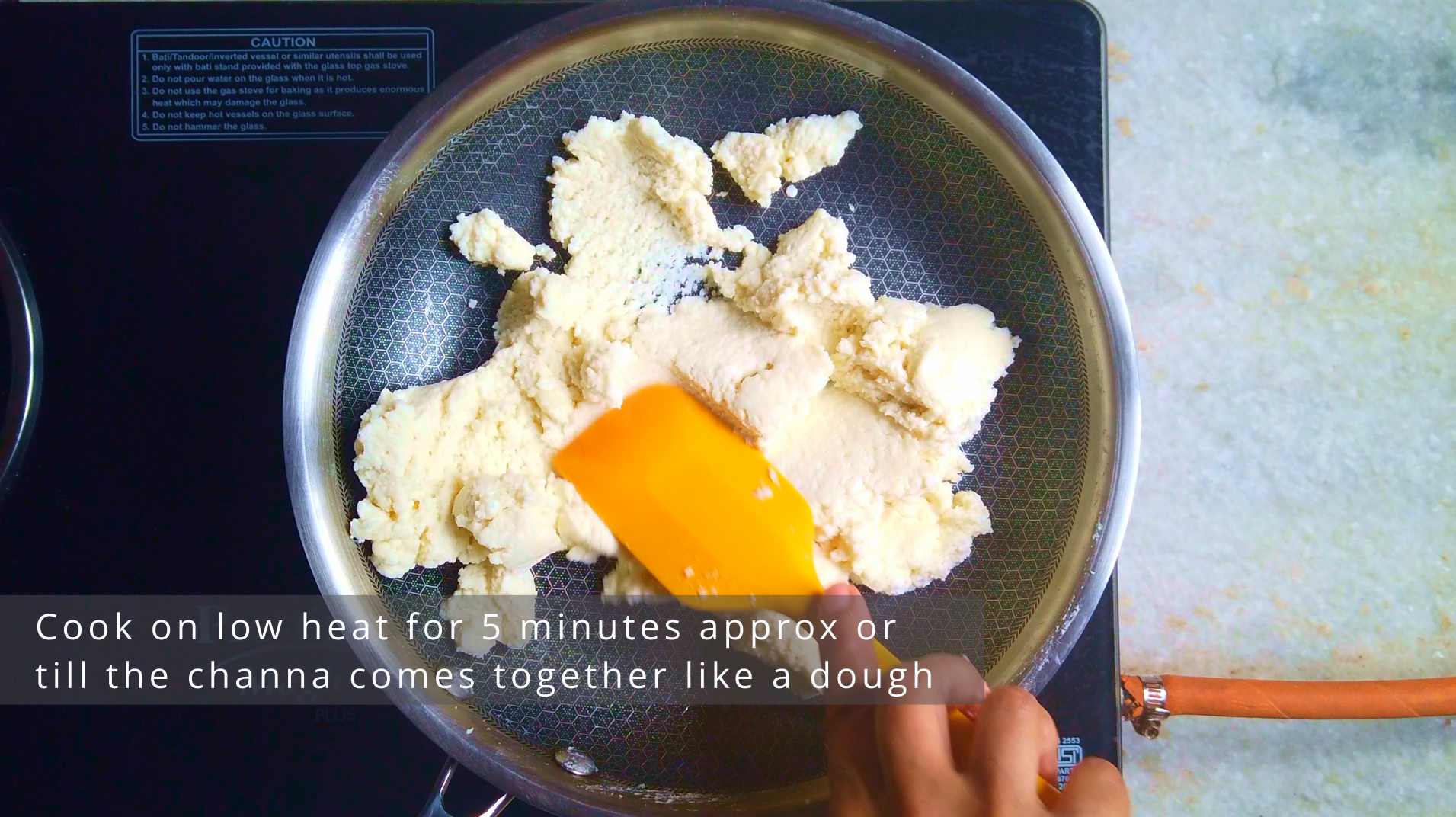
- Step 5: In a heavy bottom pan add the mashed channa and cook on low heat for 5 minutes approx or till the channa comes together like a dough.
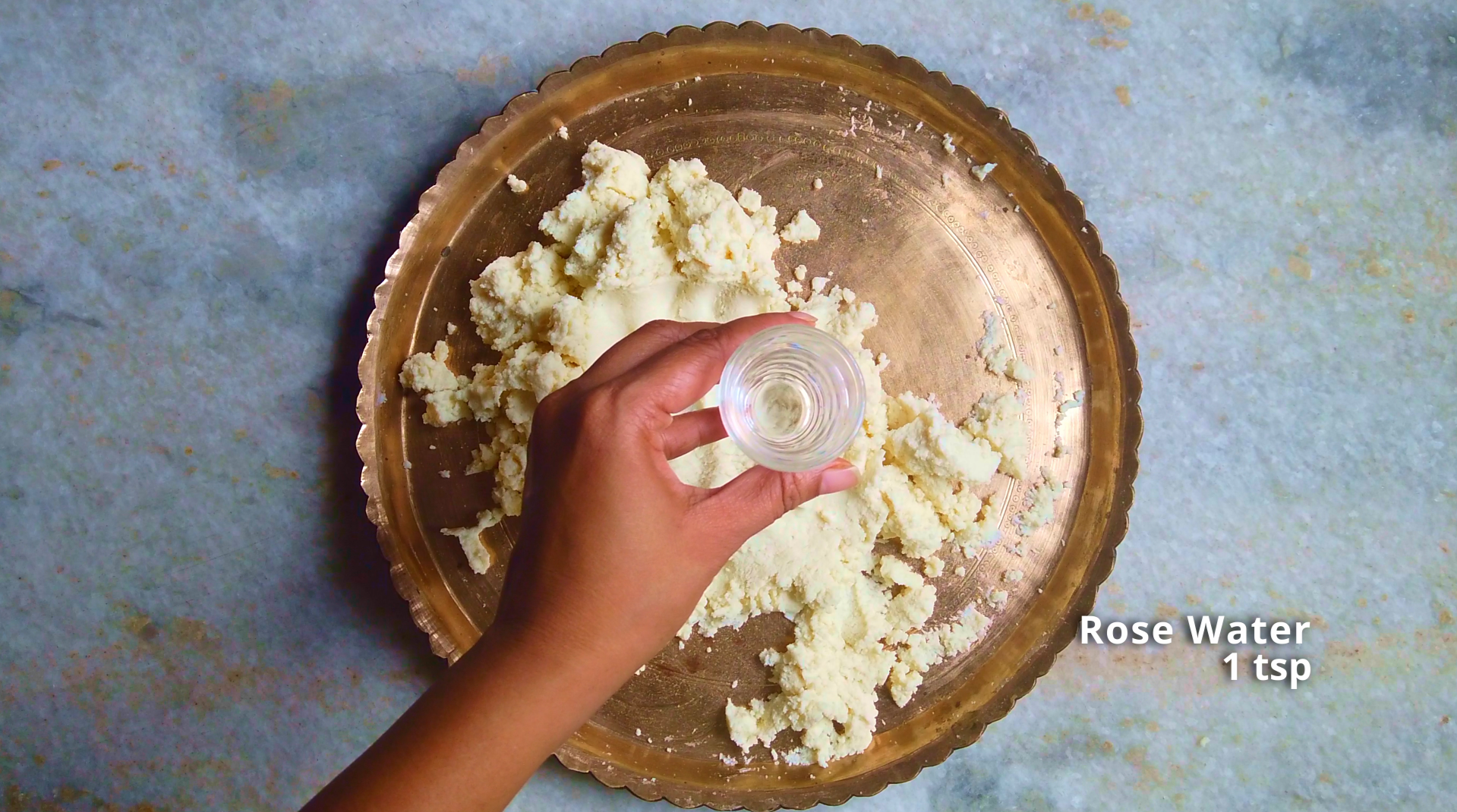
- Step 6: Remove the cooked channa in a large plate and allow it to cool a bit. When the channa is still warm, add rose water and knead for 8-10 minutes until smooth.
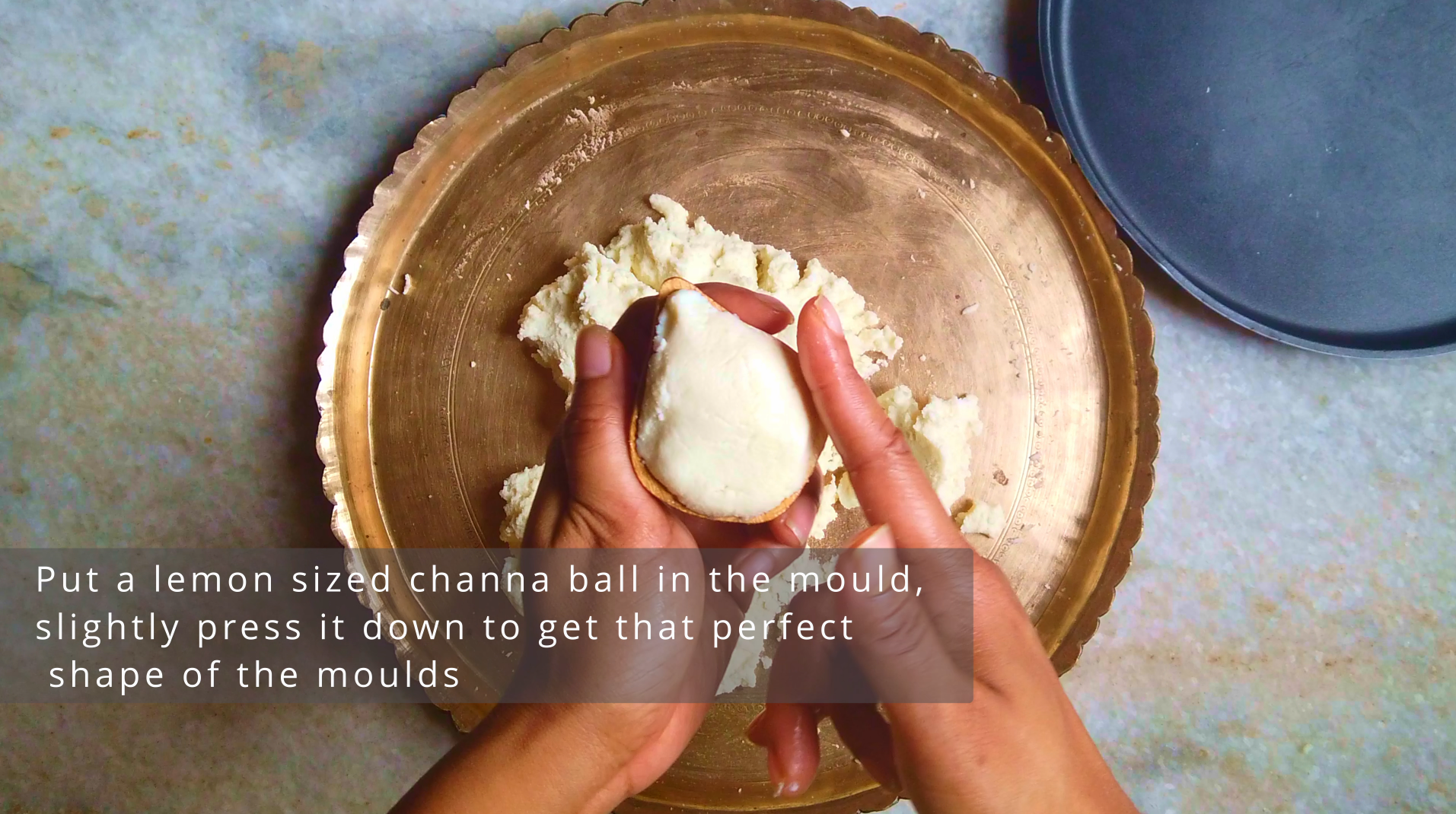
- Step 7: Grease the inner portion of sondesh mould with little ghee. Then put a lemon sized channa ball in the mould. Slightly press it down to get that perfect shape of the moulds. Now gently remove the sondesh from mould and place on a greased plate.
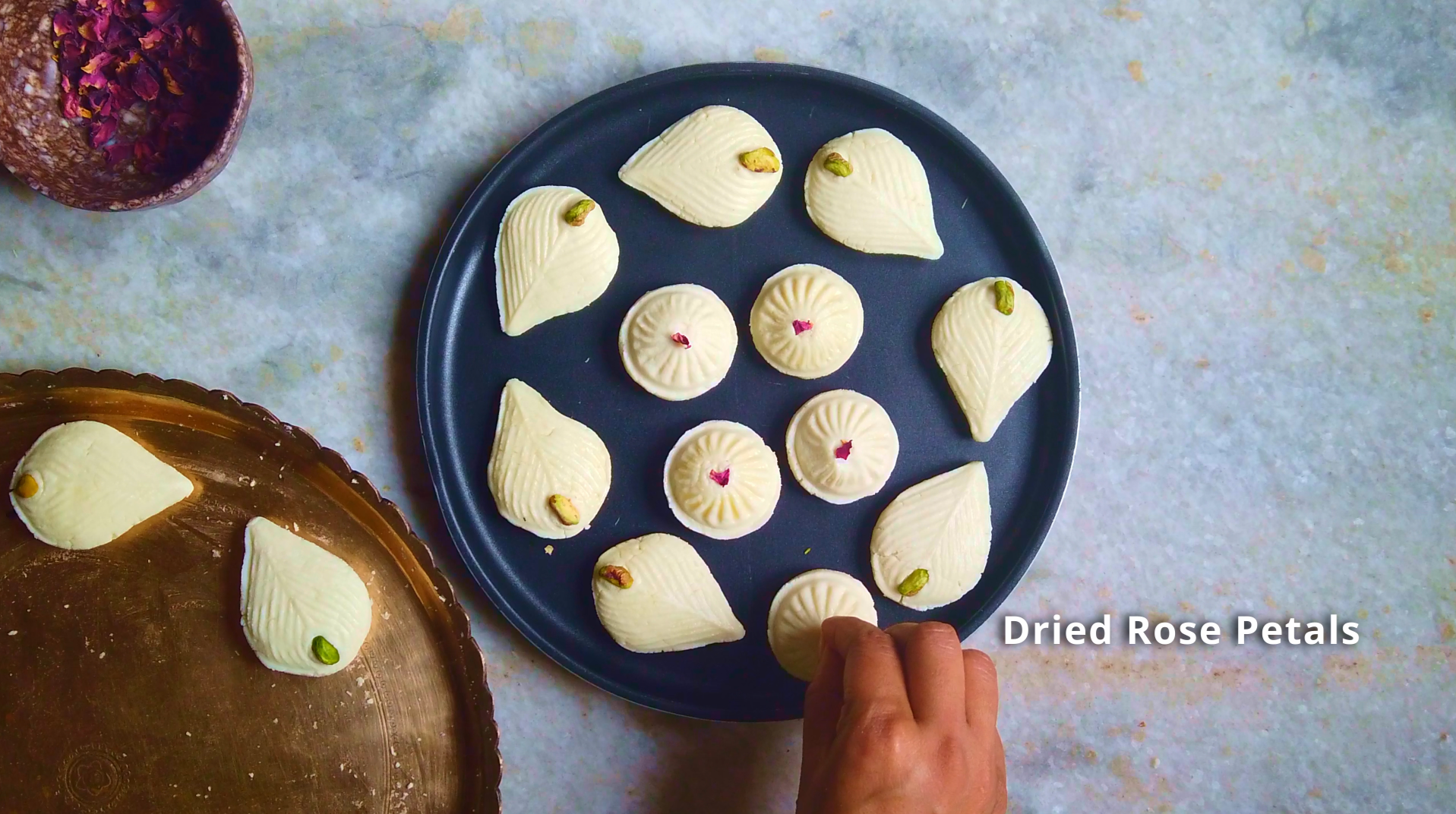
- Step 8: Garnish with slivered pistachio and dried rose petals.
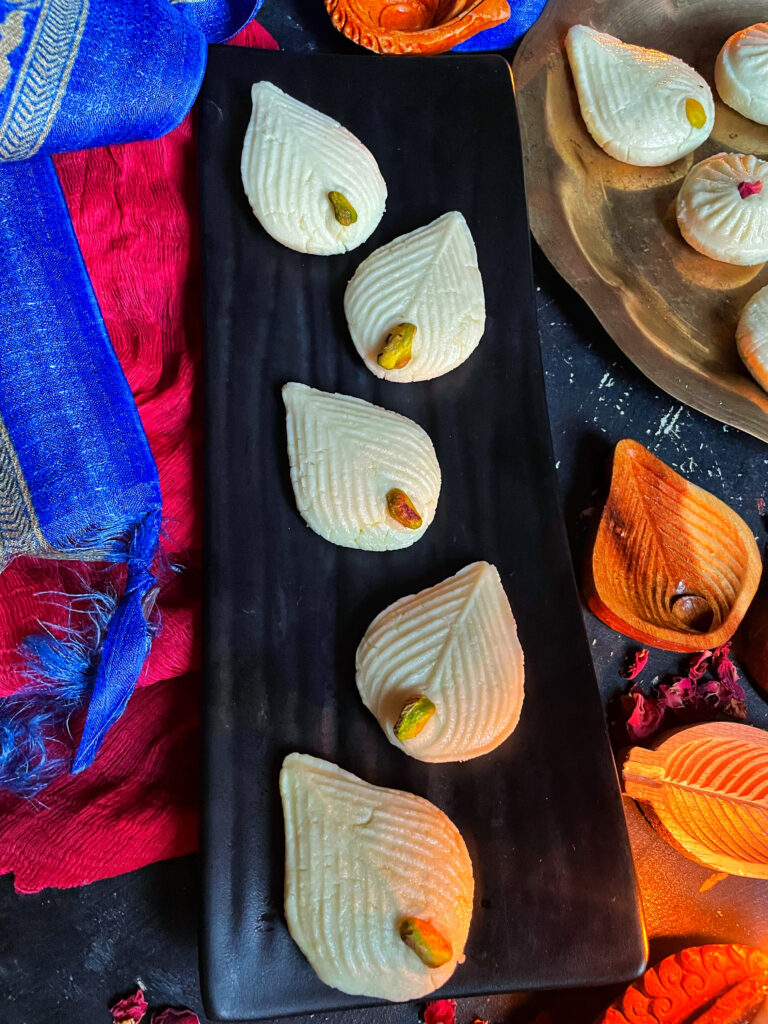
- Step 9: Serve immediately and enjoy!!
Pro Tips:
Use fresh homemade channa, which gives the softest texture. Make sure the mixture turns silky after combining with sugar or jaggery.
Garnish with nuts or raisins. A mix of pistachio, almonds and raisins adds both taste and variety.
Cooking for a crowd or just yourself? This recipe adjusts easily- halve, double or even triple it without affecting the outcome.
About Me
DEBJANI MONDAL
Welcome to Kitchenstagram, the home of delicious recipes, culinary inspiration and cooking adventures. I’m Debjani and I’m thrilled to be your guide through the wonderful world of food. I’m a self-taught professional baker, home chef, recipe developer, author of Kitchenstagram and an aspiring YouTuber.
My passion for food and cooking began at a very young age, when I would watch my mom and dad cook for me and my brother. My dad, in particular is a great cook whose culinary skills made a lasting impression on me. My dad would cook up a storm on special occasions by cooking variety of dishes, from delicious biriyani to samosa, fish fry, rasgullas and kachoris (sweet & spicy deep fried pastry with filling of lentils, meat or fish…>>>>>
FOLLOW ME
My Latest Posts
- post 1
- post 2